
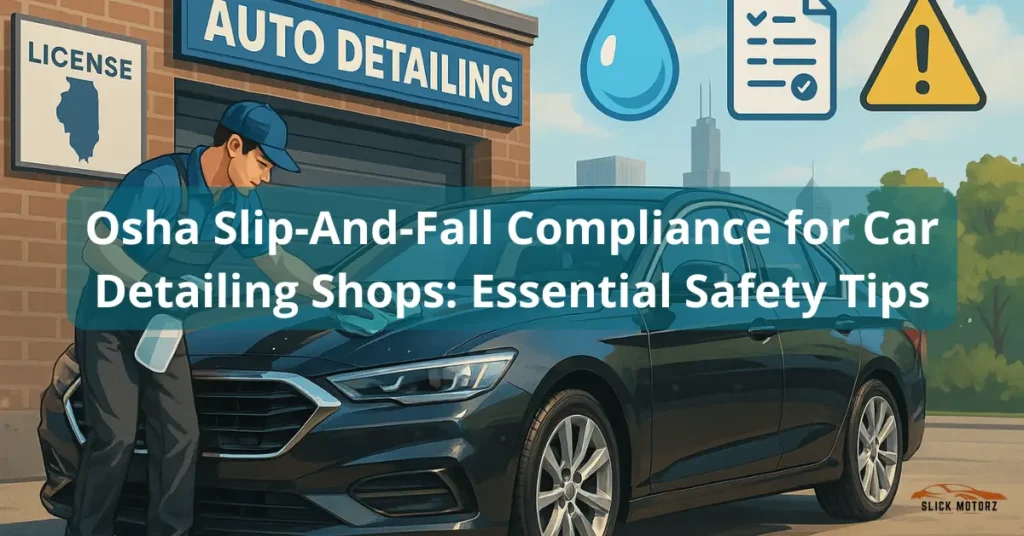
If you run a car detailing shop, keeping your workspace safe is more than just a priority—it’s the law. Slip-and-fall accidents are one of the most common hazards in your industry, and OSHA has clear rules to help you prevent them.
But what exactly does OSHA require from you? How can you protect your employees and customers while avoiding costly fines? You’ll discover simple, practical steps to meet OSHA slip-and-fall compliance specifically tailored for car detailing shops. Understanding and applying these rules will not only keep your shop accident-free but also boost your reputation as a responsible business owner.
Keep reading to find out how to make your shop safer and OSHA-compliant today.
Slip-and-Fall Risks In Car Detailing
Slip-and-fall accidents pose serious dangers in car detailing shops. These incidents can cause injuries and disrupt business operations. Understanding the risks helps shops create safer environments. Every detail in the workspace matters when preventing falls.
Common Hazards In Detailing Shops
Car detailing shops have many slip-and-fall hazards. Workers often move quickly around vehicles and equipment. Tools left on the floor or cords across walkways create trip dangers. Poor lighting can hide these hazards, increasing the risk. Awareness and organization reduce these common dangers.
Wet Floors And Chemical Spills
Water and cleaning chemicals frequently spill on floors during detailing. Wet surfaces become slippery and dangerous. Chemicals may also leave residues that cause slips. Immediate cleanup and proper signs alert workers to wet areas. Using mats and slip-resistant flooring further protects everyone.
Uneven Surfaces And Clutter
Uneven floors or cracks cause workers to lose balance. Cluttered spaces with boxes or tools block safe pathways. These obstacles force workers to step awkwardly or rush. Keeping floors even and work areas tidy lowers slip-and-fall risks. Regular inspections help spot these problems early.
Credit: www.amazon.com
Osha Standards For Slip-and-fall
OSHA sets clear standards to prevent slip-and-fall accidents in car detailing shops. These standards help protect workers from injuries caused by slips, trips, and falls. Understanding these rules is key to maintaining a safe work environment. Car detailing shops must follow specific OSHA guidelines to reduce risks and ensure compliance.
Fall Protection Requirements
OSHA requires fall protection for workers at heights of four feet or more in the general industry. This includes platforms, ladders, and elevated work areas in car detailing shops. Employers must provide guardrails, safety nets, or personal fall arrest systems. Proper training on fall protection equipment is mandatory. Regular inspections ensure the equipment works correctly and safely.
Walking And Working Surface Regulations
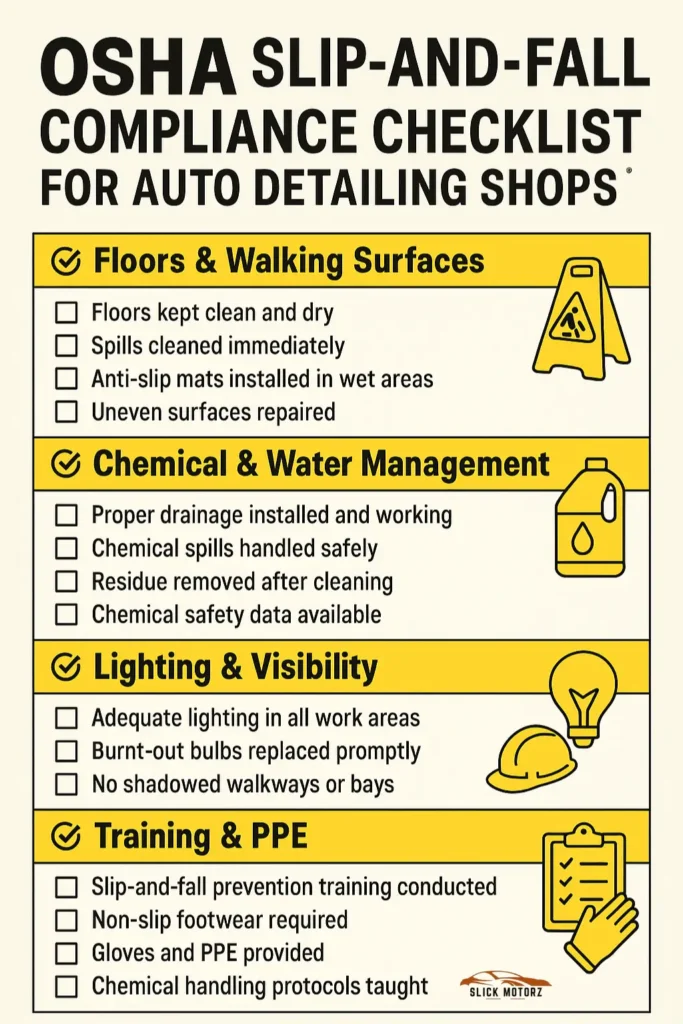
OSHA demands safe walking and working surfaces to prevent slip hazards. Floors must be clean, dry, and free of debris. Spills should be cleaned immediately to avoid accidents. Non-slip coatings or mats are recommended in wet areas like detailing bays. Adequate lighting is essential to spot hazards early. Maintaining these surfaces reduces slip-and-fall risks significantly.
Recordkeeping And Reporting
OSHA requires employers to keep records of slip-and-fall incidents. All work-related injuries and illnesses must be documented. Serious accidents must be reported to OSHA within specific time frames. Accurate records help identify patterns and prevent future incidents. Car detailing shops benefit from tracking these events to improve safety measures continuously.
Safety Measures For Car Detailing Shops
Slip-and-fall accidents are a top safety concern in car detailing shops. Strict adherence to OSHA guidelines helps prevent these incidents. Implementing effective safety measures reduces injury risks and keeps the work environment secure. Car detailing shops face unique hazards from water, cleaning chemicals, and smooth surfaces. Awareness and proper controls are essential for protecting employees and customers.
Cleaning And Maintenance Practices
Regular cleaning removes dirt, oil, and water that cause slippery floors. Spills must be cleaned immediately to avoid hazards. Use absorbent mats in wet areas to trap moisture. Inspect floors daily for damage or uneven spots. Repair cracks and holes promptly to prevent trips. Maintain cleaning equipment to ensure efficiency and safety.
Anti-slip Coatings And Floor Treatments
Applying anti-slip coatings improves floor traction significantly. These coatings create a rough surface that reduces slip risks. Choose coatings compatible with your floor type and the chemicals used. Floor treatments last longer and require less maintenance than mats. Reapply coatings as recommended to maintain effectiveness. Ensure workers are trained on the benefits and use of these treatments.
Proper Lighting And Drainage
Good lighting helps workers see hazards clearly. Install bright, even lighting throughout the shop. Replace burnt-out bulbs quickly to avoid dark spots. Proper drainage prevents water pooling on floors. Check drains regularly and clear blockages immediately. Sloped floors direct water to drains efficiently. Together, lighting and drainage reduce slip-and-fall risks greatly.
Employee Training And Equipment
Employee training and equipment are crucial to maintain safety in car detailing shops. Proper education helps workers recognize hazards and act safely. The right tools and gear protect employees from slip-and-fall accidents. This section explains essential training and equipment needed for OSHA compliance.
Slip-and-Fall Prevention Training
Training teaches workers how to spot and avoid slip hazards. Employees learn to keep floors clean and dry at all times. They understand the risks of cluttered work areas and how to manage spills quickly. Regular training refreshes safety knowledge and encourages safe habits every day.
Use Of Proper Footwear
Non-slip shoes reduce the chance of slipping on wet or oily floors. Shoes must fit well and provide good support to prevent falls. Employers should provide or require appropriate footwear for all staff. Proper shoes improve balance and help workers move safely around the shop.
Handling Chemicals Safely
Car detailing uses many cleaning chemicals that can make floors slippery. Training ensures employees know how to use and store chemicals correctly. Workers learn to clean spills immediately and wear gloves and masks when needed. Safe chemical handling lowers the risk of accidents and protects health.
Organizing The Workspace
Organizing the workspace in a car detailing shop plays a key role in preventing slip-and-fall accidents. A tidy and well-arranged area helps workers move safely and work efficiently. OSHA emphasizes maintaining a clean and orderly environment to reduce injury risks. This section covers essential tips for organizing your shop to meet OSHA slip-and-fall compliance.
Reducing Clutter And Trip Hazards
Keep floors clear of clutter to prevent trips and falls. Remove unused items and trash promptly. Place cleaning supplies and materials in designated spots. Use shelves and bins to store small items off the floor. Regularly inspect the workspace to spot and fix hazards. Clear walkways ensure safe movement for everyone.
Safe Storage Of Tools And Equipment
Store tools and equipment properly after each use. Use racks, hooks, and cabinets to keep items secure. Avoid piling tools where they can fall or block paths. Label storage areas to help workers find and return tools quickly. Safe storage reduces the chance of accidents and keeps the shop organized.
Managing Electrical Cords
Keep electrical cords neat and out of walkways. Use cord covers or clips to secure cables along walls or floors. Avoid running cords across high-traffic areas. Check cords regularly for damage and replace if needed. Proper cord management prevents tripping and electrical hazards in the workspace.
Inspection And Compliance Checks
Inspection and compliance checks play a crucial role in preventing slip-and-fall accidents in car detailing shops. Regular inspections help spot dangers early. They keep the workplace safe for employees and customers. Following OSHA rules reduces the risk of injuries and fines. Car detailing shops must stay vigilant with these checks.
Routine Safety Inspections
Car detailing shops need scheduled safety inspections. These inspections focus on floors, walkways, and work areas. Inspectors look for wet spots, spills, or uneven surfaces. They check the lighting to ensure visibility is good. Safety equipment and warning signs must also be reviewed. Consistent inspections stop hazards from becoming accidents.
Addressing Identified Hazards
Once hazards are found, fixing them quickly is vital. Wet floors should be dried or marked with signs. Uneven surfaces need repair or clear barriers. Clutter and loose cords must be removed or secured. Staff should be trained to report dangers immediately. Prompt action protects everyone and meets OSHA standards.
Documentation And Compliance Records
Keeping records of inspections and repairs is essential. Documentation shows the shop’s commitment to safety. OSHA may request these records during audits. Records include dates, findings, and actions taken. They help track trends and improve safety plans. Well-kept records support ongoing compliance and risk management.
Emergency Preparedness
Emergency preparedness is vital for car detailing shops to handle slip-and-fall incidents effectively. Proper planning reduces injury severity and ensures quick, organized responses. Staff training and clear procedures help maintain a safe workplace and comply with OSHA standards.
Slip-and-Fall Incident Response
Respond immediately to any slip-and-fall incident. Check the injured person’s condition without moving them if serious harm is suspected. Clear the area to prevent further accidents. Use warning signs to alert others about slippery floors or hazards. Call emergency services if the injury is severe or requires medical help.
First Aid And Reporting Procedures
Provide basic first aid to injured workers promptly. Keep a well-stocked first aid kit accessible in the shop. Document every incident thoroughly, noting time, location, and cause. Report the accident to management and OSHA as required. Accurate records help identify risks and improve safety.
Continuous Improvement Strategies
Review slip-and-fall incidents regularly to find patterns and causes. Train employees on hazard recognition and prevention frequently. Update safety protocols based on new information and OSHA guidelines. Conduct routine inspections to spot and fix potential dangers. Encouraging feedback from staff promotes a safer work environment.
Credit: www.creativesafetysupply.com
Frequently Asked Questions
What Is The OSHA standard For Slip And Fall?
OSHA mandates fall protection at specific heights: 4 feet in general industry, 5 feet in shipyards, and 6 feet in construction. Employers must maintain safe walking surfaces, control hazards like spills, and provide proper training to prevent slip and fall incidents.
What Is The Business Activity Code For Auto Detailing?
The business activity code for auto detailing is 811192 under NAICS. It classifies specialized automotive cleaning services.
Does OSHA Apply To Vehicles?
OSHA applies to vehicles primarily through specific standards for industries like agriculture and maritime. It covers motor vehicle safety and related workplace hazards. Employers must follow OSHA rules for vehicle maintenance, operation, and worker protection to ensure a safe work environment.
Does OSHA Require All Employees To Use Fall Protection?
OSHA requires fall protection for employees working at heights of four feet or more in the general industry. Requirements vary by industry and task. Employers must provide proper fall protection to ensure worker safety.
Conclusion
Following OSHA slip-and-fall rules protects workers and customers alike. Keep floors dry and clean at all times. Use anti-slip mats and clear warning signs. Train staff to recognize and fix hazards quickly. Regular inspections help catch risks before accidents happen.
A safe car detailing shop builds trust and avoids costly fines. Simple steps create a safer, more efficient workplace every day. Safety is not just a rule; it is a habit. Stay alert, stay safe, and keep your shop compliant.














