
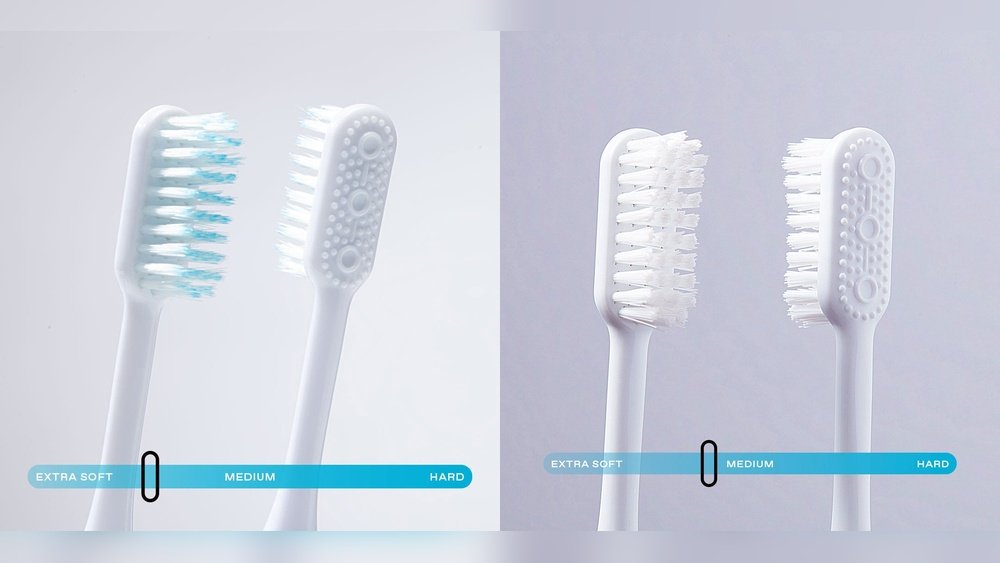
Choosing the right bristle brush for your hair or cleaning needs can feel overwhelming. You might wonder: Should you go for soft, medium, or hard bristles?
Each type has its unique benefits and drawbacks that directly affect your results. Picking the wrong one could lead to damage or less effective cleaning. But don’t worry—this guide will help you understand exactly what makes soft, medium, and hard bristle brushes different.
By the end, you’ll know which brush suits your needs best and how to get the most out of it. Keep reading to find the perfect match for your hair or cleaning routine!
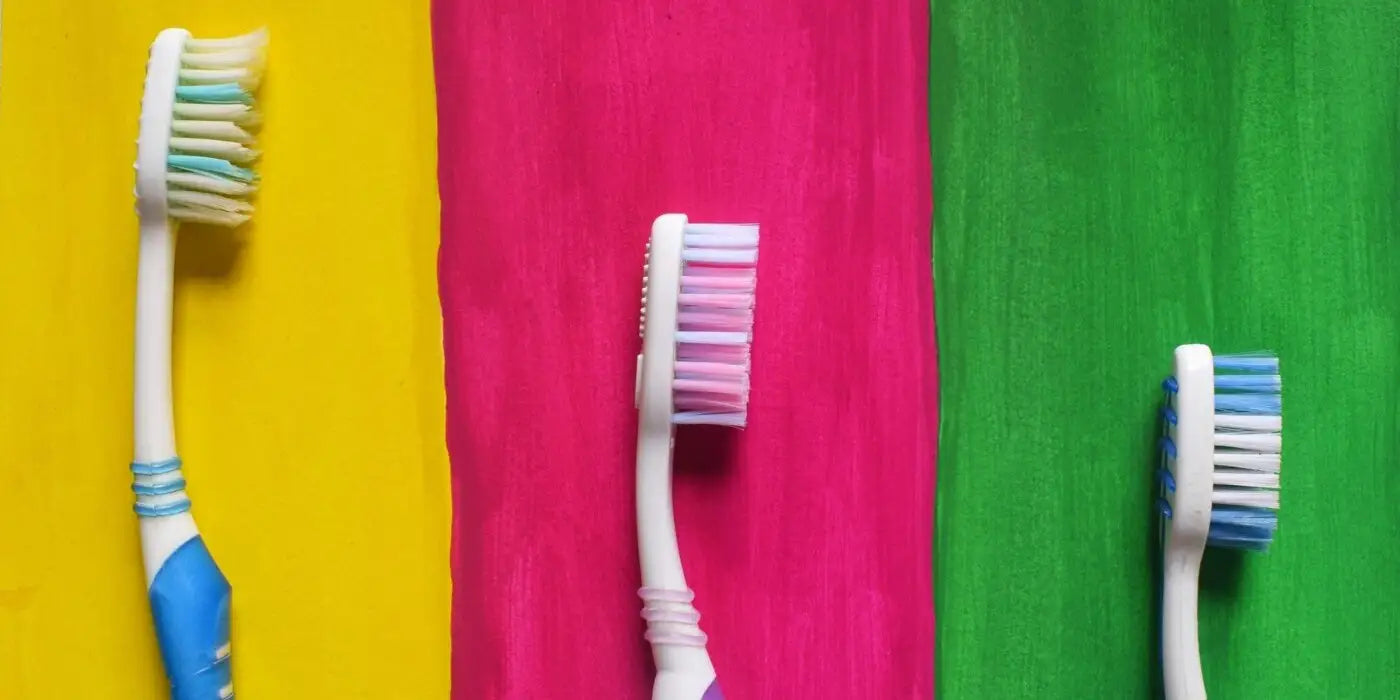
Credit: perforacare.com
Types Of Bristle Brushes
Bristle brushes come in three main types: soft, medium, and hard. Each type serves a different purpose and suits various hair or cleaning needs. Choosing the right brush bristle depends on your hair texture, scalp sensitivity, and the results you want. Understanding the characteristics of each bristle type helps you pick the best option.
Soft Bristle Characteristics
Soft bristles are gentle on the scalp and hair. They bend easily to avoid pulling or breaking hair strands. These brushes work well for fine or fragile hair. Soft bristles help distribute natural oils, adding shine and smoothness. They are ideal for daily use and sensitive scalps.
Medium Bristle Features
Medium bristles balance softness and firmness. They provide more control and detangling power than soft bristles. Medium brushes suit normal to thick hair types. They can handle light knots without causing discomfort. Medium bristles stimulate the scalp gently while cleaning hair effectively.
Hard Bristle Qualities
Hard bristles are firm and stiff for deep cleaning. They work best on thick, coarse, or curly hair. Hard brushes remove dirt and buildup more aggressively. These bristles can stimulate the scalp to promote blood circulation. Use hard bristle brushes carefully to avoid scalp irritation or hair damage.

Credit: centercitydentist.com
Hair Types And Brush Selection
Choosing the right brush depends largely on your hair type. Different hair textures need different bristle strengths. Picking the correct bristle helps protect hair and scalp. It also improves styling and reduces damage. Understanding your hair type guides you to the best brush choice.
Using a soft bristle brush on delicate hair prevents breakage. Medium bristles work well for normal hair types. Hard bristles suit thick or coarse hair that needs more control. Let’s explore which brush fits your hair best.
Best Brush For Fine Hair
Fine hair is fragile and breaks easily. Soft bristle brushes are gentle and prevent damage. They glide smoothly without pulling on strands. Soft bristles also help distribute natural oils evenly. This keeps hair shiny and healthy.
Brush Choices For Thick Hair
Thick hair requires a sturdier brush to manage volume. Medium or hard bristle brushes work well here. They detangle knots without too much effort. Hard bristles reach deep into dense hair layers. This helps smooth and style thick hair faster.
Curly And Textured Hair Tips
Curly and textured hair needs careful brushing to avoid frizz. Soft or medium bristles are best to maintain curl shape. Use a brush with flexible bristles to reduce pulling. Brushing should be gentle to protect curls from damage. Wide-tooth combs also help with detangling without breakage.
Benefits Of Soft Bristle Brushes
Soft bristle brushes offer many benefits for hair and scalp care. They provide a gentle touch that prevents damage. These brushes suit various hair types, especially fine or fragile hair. Using a soft bristle brush promotes healthier hair by reducing stress during brushing.
Choosing the right brush can improve hair texture and scalp comfort. Soft bristles make daily grooming a soothing experience. They also help maintain hair strength and shine over time.
Gentle On Scalp And Hair
Soft bristle brushes glide smoothly over the scalp. They avoid harsh pulling or scratching sensations. This gentleness helps prevent scalp irritation. Hair strands face less tension, lowering the risk of damage. The soft bristles distribute natural oils evenly for shine.
Ideal For Sensitive Skin
People with sensitive or dry skin find soft bristles ideal. They reduce redness and discomfort during brushing. The soft texture avoids aggravating sensitive scalp conditions. Regular use can soothe scalp sensitivity and promote calmness.
Reduces Hair Breakage
Soft bristles cause less friction on hair strands. This reduces breakage and split ends. They gently detangle knots without harsh tugging. Softer brushing preserves hair strength and length. Regular use supports healthier, fuller hair over time.
Advantages Of Medium Bristle Brushes
Medium bristle brushes offer a perfect middle ground between softness and firmness. They provide enough strength to remove dirt and tangles, yet remain gentle on the scalp and hair. This balance makes them a popular choice for many hair types and daily routines.
Effective Detangling
Medium bristles glide through hair easily, separating knots without pulling too hard. They reduce breakage by loosening tangles gently. This makes combing smoother and less painful.
Suitable For Everyday Use
These brushes handle regular brushing well without damaging hair strands. They clean the scalp by removing dirt and oils effectively. Their durability also means they last longer with daily use.
Balance Between Firmness And Care
Medium bristles offer enough pressure to stimulate the scalp and distribute natural oils. They avoid the harshness of hard bristles that can scratch or irritate skin. At the same time, they provide more control than soft brushes, giving a satisfying brushing experience.
Uses Of Hard Bristle Brushes
Hard bristle brushes serve specific purposes in hair care. They offer firm pressure and strong bristles that target tough hair needs. These brushes are not for every hair type, but they excel in certain situations. Using a hard bristle brush can improve scalp health and manage difficult hair textures. Learning the right uses helps avoid damage and boosts hair appearance.
Deep Scalp Stimulation
Hard bristle brushes reach the scalp with firm pressure. This action improves blood flow and promotes healthier hair growth. The bristles massage the scalp, removing dirt and dead skin cells. Regular use can reduce dandruff and build-up. The firm touch wakes up the scalp and feels invigorating.
Managing Thick Or Coarse Hair
Hard bristle brushes work well on thick or coarse hair. They detangle knots more easily than soft brushes. The strong bristles smooth hair strands and reduce frizz. These brushes help distribute natural oils from scalp to ends. They keep thick hair looking neat and well-groomed.
When To Avoid Hard Bristles
Avoid hard bristle brushes on fine, fragile, or damaged hair. They can cause breakage and split ends. Sensitive scalps may feel pain or irritation with hard bristles. People with scalp conditions like eczema should skip hard brushes. Use softer options to protect delicate hair and scalp health.

Credit: readytosmile.com
Impact On Hair Health
The type of bristle on your hairbrush greatly affects your hair’s health. Choosing the right bristle can reduce damage and improve scalp condition. Each bristle type—soft, medium, or hard—offers different benefits and risks. Understanding these can help keep your hair strong and shiny.
Preventing Hair Damage
Soft bristle brushes are gentle on hair strands. They reduce breakage and split ends by minimizing pulling. Medium bristles offer a balance but may cause damage if used roughly. Hard bristles can be harsh, often leading to hair breakage and scalp irritation. Using the correct bristle strength protects hair from unnecessary harm.
Stimulating Hair Growth
Brushing stimulates blood flow to the scalp, which supports hair growth. Soft bristles massage the scalp gently, promoting circulation without pain. Medium bristles provide a firmer massage, which some find more effective. Hard bristles may irritate the scalp, potentially slowing hair growth. Choose a brush that feels comfortable for daily use.
Maintaining Natural Oils
Natural oils keep hair moisturized and shiny. Soft bristles spread these oils evenly from scalp to tips. Medium bristles do this well but can sometimes strip oils if used too hard. Hard bristles may remove too much oil, leaving hair dry and brittle. Proper brushing helps maintain hair’s natural shine and softness.
How To Choose The Right Brush
Choosing the right brush is key for healthy hair and scalp. The type of bristle affects your hair’s look and feel. This guide helps you pick soft, medium, or hard bristle brushes. Focus on your hair’s needs and daily routine to find the best fit.
Assessing Hair Condition
Check your hair type first. Fine or thin hair works best with soft bristles. These brushes gently detangle without breakage. Thick or coarse hair may need medium or hard bristles. They help smooth and control frizz better. Damaged or brittle hair needs soft bristles to avoid more harm.
Considering Scalp Sensitivity
Think about your scalp’s sensitivity. If your scalp feels tender or itchy, soft bristles are safer. They massage the scalp gently and avoid irritation. Normal scalps can handle medium bristles. Hard bristles suit very tough scalps but use with care. Avoid hard bristles if you have scalp conditions or wounds.
Lifestyle And Styling Needs
Match your brush to your daily routine. Soft bristles work well for quick, gentle brushing. Medium bristles suit those who style hair often and need more control. Hard bristles are best for thick hair that needs strong brushing. Consider how often you use heat tools or products too. The right brush supports healthy styling habits.
Tips For Proper Brush Care
Proper care of your brush extends its life and keeps it effective. Regular maintenance prevents bacteria buildup and keeps bristles in good shape. This ensures a clean, healthy brushing experience every time.
Cleaning Your Brush Regularly
Rinse your brush after each use to remove toothpaste and debris. Soak it in warm, soapy water once a week. Use a clean toothbrush or comb to remove trapped particles. Let the brush air dry in an upright position to avoid moisture buildup.
Replacing Brushes When Needed
Check your brush for frayed or worn bristles. Replace it every three months or sooner if it looks damaged. A worn brush cleans less effectively and can hurt your gums. Keep track of replacement dates to maintain good oral hygiene.
Avoiding Cross-contamination
Store brushes separately to prevent contact between bristles. Avoid sharing brushes with others to reduce germ transfer. Use a ventilated holder to keep brushes dry and clean. Clean storage areas regularly to maintain hygiene.
Frequently Asked Questions
What Are The Differences Between Soft, Medium, And Hard Bristles?
Soft bristles are gentle on gums and enamel. Medium bristles provide moderate cleaning power. Hard bristles are firmer and can remove stubborn plaque but may damage gums if used aggressively.
Which Bristle Type Is Best For Sensitive Gums?
Soft bristle brushes are ideal for sensitive gums. They clean effectively without causing irritation or damage to delicate gum tissues.
Can Hard Bristles Damage Teeth Or Gums?
Yes, hard bristles can cause enamel erosion and gum recession if used with excessive pressure. Dentists usually advise against hard bristle brushes for daily use.
How Do Medium Bristles Compare To Soft Ones?
Medium bristles offer a balance of cleaning strength and gentleness. However, they may still be abrasive for sensitive mouths compared to soft bristles.
Conclusion
Choosing between soft, medium, and hard bristle brushes depends on your needs. Soft bristles are gentle and protect gums well. Medium bristles offer a balance of cleaning and firmness. Hard bristles may remove tough dirt but can hurt your gums and enamel.
Think about your teeth and gum health before deciding. Regular brushing with the right brush keeps your mouth healthy. A simple choice can make daily care easier and more effective. Remember, gentle care often leads to better long-term results.














