
If you run a car detailing business, understanding stormwater runoff laws isn’t just a good idea—it’s essential for your success. You might not realize it, but the water you use to clean vehicles can carry harmful chemicals and dirt straight into storm drains.
This can lead to serious fines and legal trouble if you don’t follow the rules set by local and state authorities, especially here in Austin, Texas. You’ll learn exactly what the laws require, how to stay compliant, and simple steps you can take to protect the environment and your business.
Keep reading to make sure your car detailing operation runs smoothly—and legally.
Credit: fieldd.co
Stormwater Laws In Car Detailing
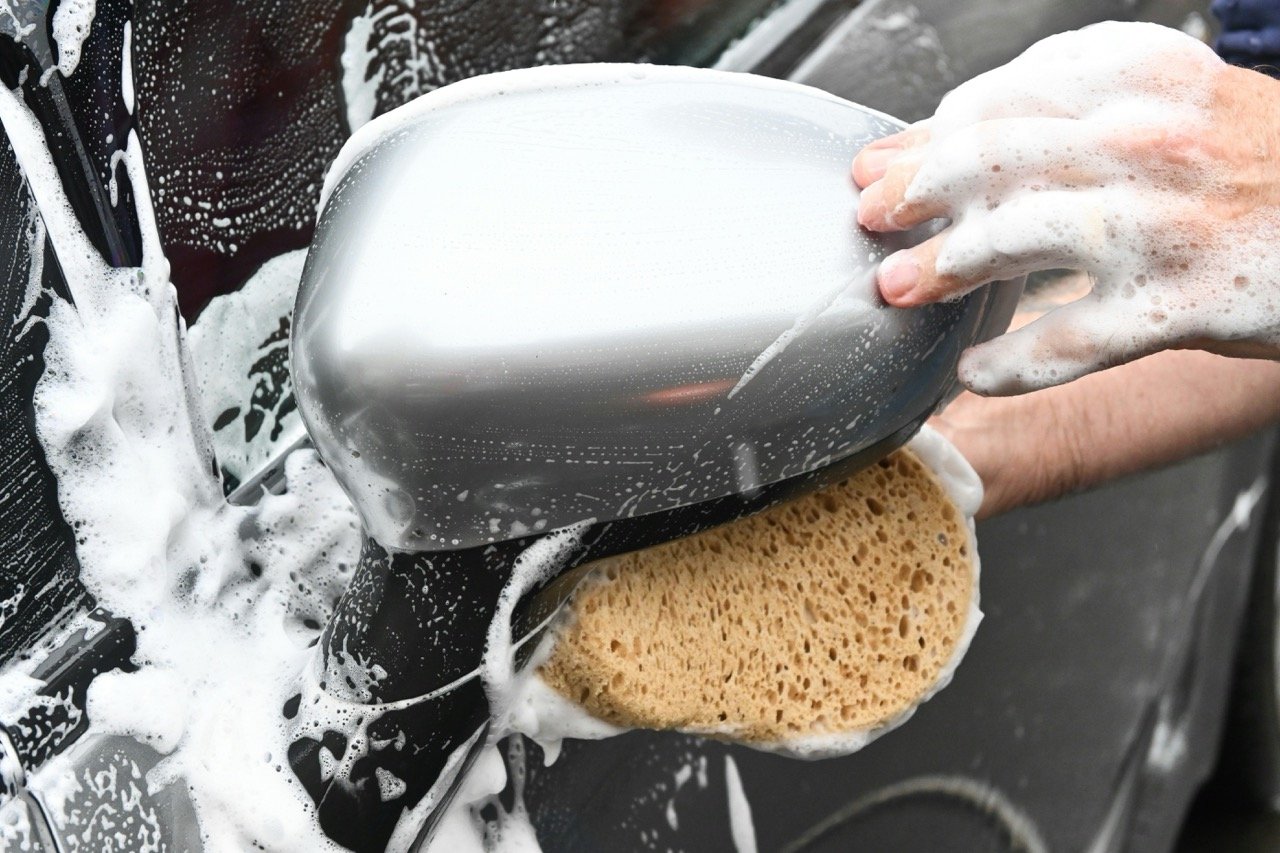
Stormwater runoff laws play a crucial role in car detailing businesses. These laws prevent harmful chemicals and dirty water from polluting local water sources. Car detailing produces runoff that often contains soaps, oils, and dirt. Managing this runoff protects the environment and helps businesses avoid fines. Understanding these laws is vital for compliance and sustainability.
Federal Regulations Impact
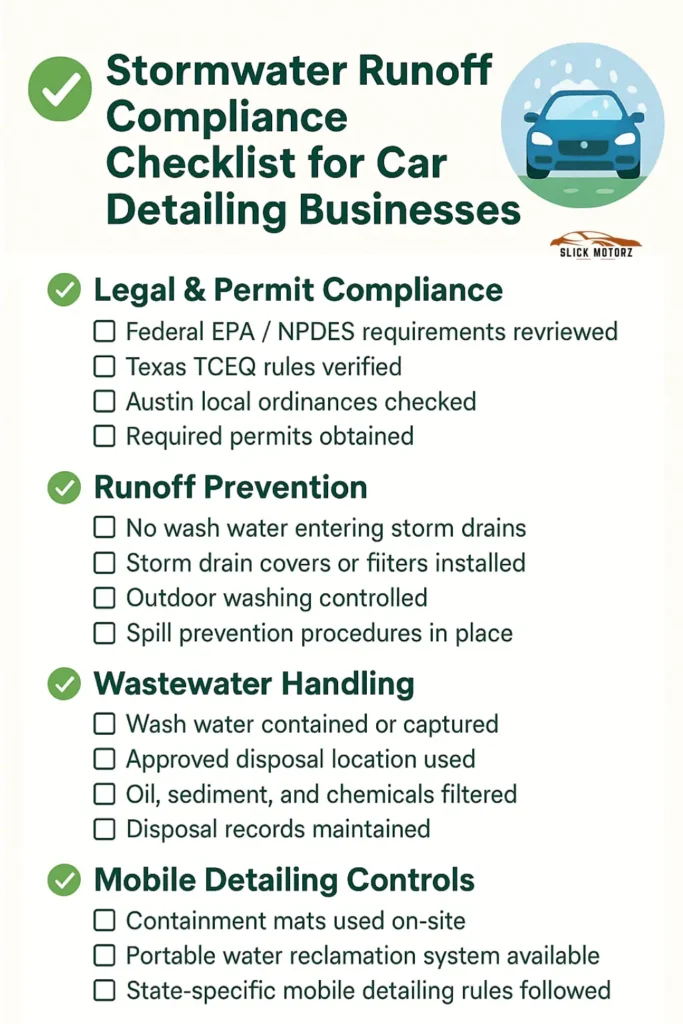
The Environmental Protection Agency (EPA) sets federal rules for stormwater runoff. These regulations require businesses to control pollutants before water leaves their site. Car detailing companies may need permits under the National Pollutant Discharge Elimination System (NPDES). The EPA enforces standards to reduce water pollution nationwide. Compliance helps protect rivers, lakes, and oceans from contamination.
State-specific Rules In Texas
Texas enforces its own stormwater laws through the Texas Commission on Environmental Quality (TCEQ). The state requires car detailing businesses to manage runoff carefully. Detailing shops must avoid discharging wash water into storm drains. Texas rules may demand permits or specific treatment methods to reduce pollutants. Failure to comply can lead to penalties or business closure.
Local Ordinances In Austin
Austin has strict local ordinances for stormwater management. The city prohibits dumping any contaminated water into storm drains. Car detailers must use approved methods to capture and dispose of runoff. Austin may require businesses to install containment systems or water recycling equipment. Local enforcement ensures the protection of the city’s water quality and environment.
Environmental Risks Of Runoff
Stormwater runoff from car detailing can harm the environment in many ways. Rainwater washes chemicals and dirt from cleaning products into streets and drains. This runoff flows untreated into rivers, lakes, and groundwater. The pollution affects plants, animals, and people. Understanding these risks helps car detailing businesses follow laws and protect nature.
Chemical Contamination Effects
Car detailing uses soaps, waxes, and solvents. These chemicals can pollute water sources if runoff is not controlled. Toxic substances harm fish and aquatic plants. Chemicals can also make water unsafe for drinking. Many chemicals break down slowly, causing long-term damage. Preventing chemical runoff keeps ecosystems healthy and water clean.
Sediment And Water Supply Damage
Runoff often carries dirt and sediment from car washing. Sediment clouds the water and blocks sunlight for underwater plants. It can clog fish gills and reduce oxygen levels. Sediment buildup also harms reservoirs and water treatment plants. This increases costs for water cleaning and supply. Keeping sediment out of runoff protects water quality and supply systems.
Impact On Sewer Systems
Stormwater runoff can overload sewer systems with dirt and pollutants. This causes blockages and damages pumps and pipes. Overflow from sewers can lead to raw sewage spilling into streets and waterways. Sewer damage increases repair costs and health risks. Proper runoff management helps keep sewer systems functioning well and safe for communities.
Permitting Requirements
Car detailing businesses must follow strict rules about stormwater runoff. Permitting requirements help control pollution from water leaving a business site. These permits ensure that harmful chemicals and dirt do not enter local water systems. Understanding the rules helps businesses avoid fines and protect the environment.
When Permits Are Needed
Permits are required if your detailing business discharges water outside the property. This includes wash water, rainwater runoff, or any process water. If your site drains directly to storm sewers, a permit is usually needed. Also, local or state laws may require permits for certain activities. Always check with your city or state environmental agency.
How To Obtain Permits
Start by contacting your local environmental agency or water board. They provide application forms and instructions. You will need to describe your business activities and water management plans. Some permits require you to install treatment or containment systems. Apply with all required documents and fees. After review, you receive the permit with specific conditions to follow.
Penalties For Non-compliance
Failing to get a permit can lead to heavy fines and penalties. Authorities may order you to stop operations immediately. Repeated violations can result in higher fines or legal action. Non-compliance also damages your business reputation. Protect your business by following all permitting rules carefully.
Best Practices For Compliance
Following best practices for compliance helps car detailing businesses meet stormwater runoff laws. It reduces pollution risks and protects local waterways. Proper management ensures business operations stay legal and environmentally safe.
Wastewater Management Techniques
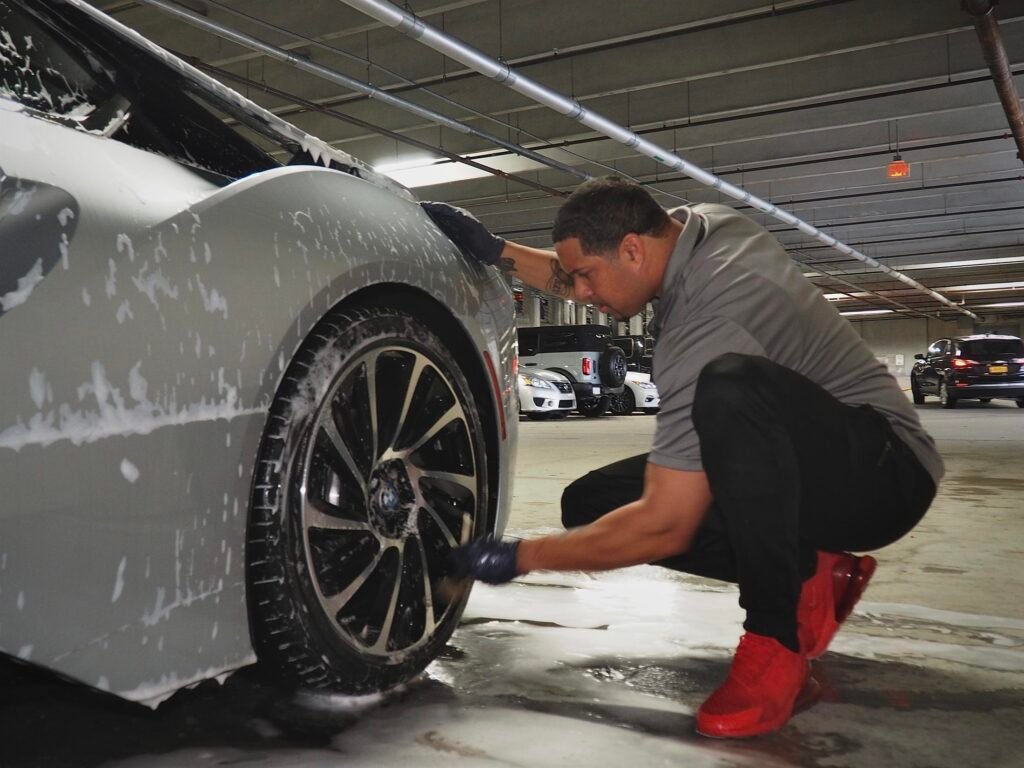
Control wastewater by using water-efficient equipment. Capture runoff using vacuum systems or water reclamation units. Avoid washing cars directly on streets or unpaved areas. Treat water on-site to remove harmful chemicals. Regularly inspect and maintain all wastewater systems.
Use Of Containment And Recapture Systems
Containment mats prevent water from reaching storm drains. These mats collect wash water and chemicals. Recapture systems filter and recycle water for reuse. Use portable containment units for mobile detailing. Properly sized systems fit your business needs.
Safe Disposal Methods
Dispose of wastewater at approved treatment facilities. Never pour dirty water into storm drains or gutters. Follow local regulations for chemical and waste disposal. Use licensed hazardous waste handlers for toxic substances. Keep records of disposal activities for inspections.
Mobile Detailing And Runoff Control
Mobile detailing businesses face unique challenges with stormwater runoff control. Water used during cleaning often contains soap, oils, and dirt. This runoff can harm the environment if not managed properly. Many states enforce laws to prevent polluted water from entering storm drains. Mobile detailers must adopt strategies to comply with and protect water quality.
Water Reclamation Systems
Water reclamation systems capture and reuse wash water. These systems reduce water waste and limit runoff pollution. Mobile detailers can install portable units that collect water during cleaning. The collected water is filtered and reused for future jobs. This method saves water and prevents harmful substances from entering storm drains.
On-site Wastewater Treatment
On-site wastewater treatment treats dirty water before release. Portable treatment units remove oils, chemicals, and solids from wash water. This process ensures that water meets local discharge standards. Treated water can be safely disposed of or reused. Mobile detailers benefit by reducing environmental impact and complying with regulations.
State Variations In Mobile Detailing Rules
Regulations for mobile detailing vary widely by state. Some states require containment mats to catch runoff during cleaning. Others mandate water recycling or off-site wastewater disposal. Detailers must check local laws before operating. Understanding state-specific rules helps avoid fines and protect the environment.
Monitoring And Reporting
Monitoring and reporting are essential parts of complying with stormwater runoff laws for car detailing businesses. These actions help prevent pollution and protect local waterways. Regular checks and detailed records keep your business aligned with environmental rules.
Proper monitoring identifies potential problems early. Reporting keeps authorities informed and shows your commitment to clean practices. Following these steps reduces risks and avoids fines.
Regular Inspections
Conduct regular inspections of your work area and equipment. Check for leaks, spills, and any runoff that could enter storm drains. Look closely at wash stations and storage areas for chemicals.
Inspections should happen weekly or as local laws require. Early detection stops pollution before it spreads. Train staff to notice and report issues immediately.
Documentation Requirements
Keep detailed records of all inspections and maintenance activities. Record dates, findings, and actions taken to fix problems. Store these documents safely for easy access during audits.
Documentation shows regulators that your business follows the rules. It also helps track improvements over time. Use simple forms or digital tools to stay organized.
Responding To Violations
Address any violations quickly and thoroughly. Understand the cause and fix it to prevent repeats. Notify authorities as required by law.
Corrective actions may include cleaning spills, repairing equipment, or changing procedures. Acting fast helps maintain your business reputation and avoids penalties.
Resources For Detailers
Car detailing businesses must follow stormwater runoff laws carefully. These laws help protect water quality and the environment. Many resources provide clear rules and guidance. Detailers can use these tools to stay compliant and avoid fines. Understanding available support is key to success.
Texas Commission On Environmental Quality
The Texas Commission on Environmental Quality (TCEQ) offers specific rules for car detailers. These rules focus on preventing polluted water from entering storm drains. TCEQ provides detailed information on wastewater handling and disposal. Detailers can find permits, guidelines, and best practices on their website. Following TCEQ standards helps protect Texas waterways and keeps businesses legal.
Epa Guidelines
The Environmental Protection Agency (EPA) sets national standards for stormwater management. Their guidelines explain how to control runoff and reduce pollution. The EPA advises on proper water containment and treatment methods. Detailers can learn about local permit requirements and pollution prevention tips. EPA resources help businesses understand federal laws and how to comply effectively.
Local Support And Training
Many cities and counties offer training programs for car detailers. These sessions teach proper water handling and disposal techniques. Local agencies may provide inspections and compliance assistance. Joining workshops helps detailers stay updated on changing rules. Local support ensures businesses protect their community’s water resources while operating smoothly.

Credit: www.nbutexas.com
Frequently Asked Questions
What Are Stormwater Runoff Laws For Car Detailing?
Stormwater runoff laws regulate how car detailing businesses manage water discharge. They prevent polluted water from entering storm drains, protecting water quality and the environment.
Why Must Car Detailers Control Water Runoff?
Car detailers must control runoff to avoid contaminating local waterways. Runoff may contain chemicals and sediments harmful to ecosystems and public health.
How Do Regulations Affect Mobile Car Detailing?
Mobile detailers must follow local laws, often requiring water containment and proper wastewater disposal. This prevents untreated runoff from polluting storm drains and violating regulations.
What Penalties Exist For Runoff Violations?
Violating runoff laws can lead to fines, business shutdowns, and legal action. Compliance is essential to avoid costly penalties and protect the environment.
Conclusion
Following stormwater runoff laws protects the environment and your business. Proper water management prevents pollution and avoids fines. Stay informed about local rules and use safe practices. Clean water supports community health and keeps your reputation strong. Taking responsibility benefits everyone and ensures long-term success.