If you drive a truck, SUV, or off-road vehicle, you know how tough road tar can be. It sticks stubbornly to your paint, dulling your ride’s look and making cleaning a real chore.
But you don’t have to live with it or risk damaging your vehicle trying to scrape it off. In this guide, you’ll discover simple, effective ways to remove tar safely and restore your vehicle’s shine. Keep reading to learn the best tips and products that will make tar removal quick, easy, and stress-free for you and your truck, SUV, or off-road beast.
Types Of Tar On Vehicles
Tar on trucks, SUVs, and off-road vehicles comes in different types. Each type has unique features that affect removal methods. Knowing these types helps keep your vehicle clean and protected. Dirt, oil, and road materials cause tar to stick to surfaces. Some tar types are fresh and sticky, while others harden over time. Understanding tar types makes removal easier and safer.
Common Tar Sources
Road construction zones often leave fresh tar spots on vehicles. Old tar patches may come from highways or streets with worn asphalt. Off-road trails can have sticky tree sap mixed with dirt and tar. Heavy vehicles sometimes leak oil that mixes with dust, creating tar-like stains. Parking near industrial areas can also cause tar buildup from nearby machinery. These sources vary but all create tough stains on vehicle paint.
Tar Characteristics On Trucks And Suvs
Tar on trucks and SUVs usually appears black and shiny when fresh. It feels sticky and soft to the touch at first. Over time, tar hardens and turns dull and brittle. It may crack and chip off with pressure. Off-road vehicles often have tar mixed with mud and vegetation. This mix creates a rough surface that can damage paint if not removed carefully. Tar tends to hide in crevices and wheel wells, making it hard to spot.
Challenges In Tar Removal
Removing tar from trucks, SUVs, and off-road vehicles is not simple. Tar sticks hard and can damage the vehicle’s surface. Many face challenges that make tar removal tricky and time-consuming. Understanding these challenges helps in choosing the right method and tools.
Surface Damage Risks
Tar removal can harm paint and clear coat. Scrubbing too hard may cause scratches. Using harsh chemicals might eat away protective layers. Off-road vehicles often have rough surfaces. These surfaces trap tar in small crevices. Careless cleaning can break or dull these areas. Always test products on a small spot first. Gentle tools and cleaners reduce damage risk.
Tar Stubbornness Factors
Tar becomes tougher over time. Fresh tar is easier to remove than old tar. Heat can make tar stick more firmly. Road conditions also affect tar’s hold. Off-road mud mixed with tar creates a sticky mess. Some tar contains oils that resist water and cleaners. This stubbornness needs special tar removers. Patience and repeated cleaning may be necessary.
Effective Tar Removal Products
Tar can stick stubbornly to trucks, SUVs, and off-road vehicles. Removing it requires the right products. Effective tar removal products help clean your vehicle without damage. They work on tough tar spots and restore your vehicle’s finish quickly. Choosing the right product depends on the type of tar and your vehicle’s surface. Here are some common tar removal options that work well.
Chemical Tar Removers
Chemical tar removers use solvents to dissolve tar safely. They break down sticky tar and make it easy to wipe away. These products often come in spray or gel form. Most chemical removers work fast and require little scrubbing. They suit heavy tar buildup on metal and painted surfaces. Always follow product instructions to protect your vehicle’s paint.
Natural And Diy Solutions
Natural options remove tar without harsh chemicals. Olive oil, peanut butter, or mineral oil can soften tar spots. These items gently loosen tar, making removal easier. Use a soft cloth to rub the tar after applying oil. Warm soapy water helps clean off oily residue afterward. These DIY methods suit light tar stains and sensitive surfaces.
Comparing Popular Brands
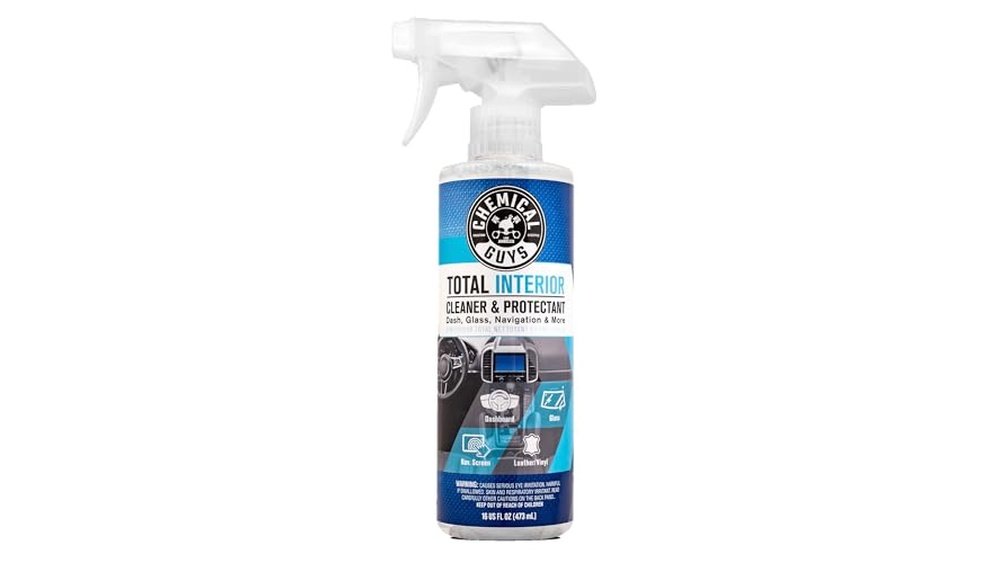
Popular tar removers vary in strength and price. Some top brands offer quick results and safe formulas. Chemical Guys, Turtle Wax, and Gtechniq are trusted names. Choose products that fit your vehicle type and tar severity. Reading reviews can help find the best fit. Test on a small area before full application to avoid damage.
Tools For Tar Removal
Removing tar from trucks, SUVs, and off-road vehicles needs the right tools. These tools help clean the vehicle without damage. Using proper equipment saves time and effort. It also protects the paint and surface from scratches. Here are key tools to have for tar removal.
Microfiber Cloths And Applicators
Microfiber cloths are soft and gentle on vehicle surfaces. They trap dirt and tar without scratching the paint. Use clean microfiber cloths to apply tar remover solutions. Applicators help spread the product evenly on affected areas. They provide control and reduce waste. Always use fresh cloths to avoid rubbing dirt back on the vehicle. Microfiber cloths also absorb loosened tar for easy removal.
Pressure Washers And Brushes
Pressure washers use water force to remove stubborn tar spots. Adjust the pressure to avoid damage to the paint or trim. Use a wide spray nozzle for even cleaning. Brushes help to scrub tar from hard-to-reach areas and textured surfaces. Choose soft-bristle brushes to protect the vehicle finish. Combining pressure washers and brushes speeds up the cleaning process. They work well on trucks, SUVs, and off-road vehicles with tough tar buildup.
Step-by-step Tar Removal Process
Removing tar from trucks, SUVs, and off-road vehicles needs care and the right steps. Tar sticks hard and can damage paint if not treated properly. Follow this clear, step-by-step tar removal process to protect your vehicle and keep it looking great.
Prepping The Vehicle
Start by rinsing your vehicle with water to remove loose dirt. Use a hose or pressure washer on a gentle setting. Avoid scrubbing the tar spots before applying any remover. Park the vehicle in a shaded area to prevent quick drying. Make sure the surface is cool to touch.
Applying Tar Remover
Choose a tar remover made for vehicles. Spray or apply it directly on the tar spots. Let it sit for a few minutes to soften the tar. Do not let the remover dry on the surface. Follow the product instructions for the best results.
Removing Tar Safely
Use a soft microfiber cloth or sponge to gently wipe the tar. Avoid hard scrubbing to prevent paint damage. If tar remains, apply more remover and repeat. For stubborn spots, use a plastic scraper carefully. Work slowly and check progress often.
Post-removal Cleaning
Wash the cleaned areas with car soap and water. Rinse thoroughly to remove any leftover remover. Dry the vehicle with a clean microfiber towel. Apply wax or sealant to protect the paint and restore shine. Regular washing helps prevent future tar buildup.
Tips For Off-road Vehicle Tar Removal
Removing tar from off-road vehicles requires care and the right approach. Tar sticks hard and can damage paint if not treated correctly. The following tips help keep your truck, SUV, or off-road vehicle clean without harming its finish. Focus on safe and effective methods for tar removal.
Handling Heavy Tar Build-up
Start by softening the tar with a quality tar remover. Spray the product evenly and let it sit for a few minutes. Avoid scrubbing too hard to prevent paint scratches. Use a soft microfiber cloth to gently wipe away the tar. Repeat if needed until the tar loosens. For stubborn spots, apply a small amount of mineral spirits carefully. Always test on a hidden area first to check for paint reaction.
Protecting Off-road Finishes
After tar removal, rinse the area with clean water to remove residue. Dry with a soft towel to avoid water spots. Apply a protective wax or sealant to the cleaned surface. This layer shields paint from future tar and dirt build-up. Regular waxing also helps maintain the vehicle’s shine. Use products designed specifically for off-road vehicle finishes. Avoid harsh chemicals that may strip protective coatings or dull the paint.
Preventing Future Tar Buildup
Preventing future tar buildup is key to keeping trucks, SUVs, and off-road vehicles clean. Tar sticks hard to paint and surfaces. It can damage the finish and make your vehicle look old. Taking steps to stop tar before it forms saves time and effort. It also helps maintain your vehicle’s value and appearance.
Protective Coatings
Applying protective coatings shields your vehicle’s paint from tar. These coatings create a smooth barrier that tar cannot easily stick to. Wax and ceramic coatings are popular choices. Wax needs regular reapplication but is easy to use. Ceramic coatings last longer and provide stronger protection. Both help repel dirt, tar, and other contaminants. A good coating makes cleaning easier and prevents stubborn stains.
Regular Maintenance Practices
Clean your vehicle often to avoid tar buildup. Wash off dirt and tar spots quickly. Use gentle car wash soap and soft cloths. Avoid harsh scrubbing, which can scratch paint. Inspect tires and wheel wells where tar collects. Remove tar with special tar removers if needed. Regular checks stop tar from hardening and spreading. Keep your vehicle looking fresh and protected with simple maintenance.
Professional Tar Removal Services
Professional tar removal services offer the best solution for trucks, SUVs, and off-road vehicles. These services use safe and effective methods to remove tar without damaging paint or surfaces. Experts understand the right products and tools needed to clean tough tar spots. This ensures your vehicle looks clean and well-maintained after the treatment.
Trucks and off-road vehicles often encounter heavy tar build-up from rough roads. Cleaning tar at home can be tricky and may harm your vehicle’s finish. Professional services provide thorough cleaning and protect your vehicle from further damage. Their experience saves time and effort while delivering quality results.
When To Seek Experts
Seek professional help if tar covers large areas or is deeply stuck. DIY methods may not remove all residues and can scratch paint. Experts use special solvents and techniques to dissolve tar gently. Call professionals after off-road trips or road work exposure. Early removal prevents long-term damage and staining.
Cost Considerations
Tar removal costs depend on vehicle size and tar amount. Trucks and SUVs usually cost more than smaller cars due to larger surfaces. Some services offer package deals with washing and waxing. Investing in professional removal avoids costly paint repairs later. Request quotes from multiple providers to find fair pricing.
Frequently Asked Questions
What Is The Best Tar Remover For Vehicles?
The best tar remover for vehicles is Gtechniq Tar & Glue Remover. It quickly dissolves tar without damaging paint. Use a microfiber cloth for best results.
What’s The Best Tar Removal Technique?
The best tar removal technique uses a high-performance tar remover and a microfiber cloth. Spray the remover, let it sit briefly, then gently wipe away tar. Avoid harsh scrubbing to protect paint. For stubborn tar, carefully use a pressure washer with a proper nozzle angle.
How To Remove Fresh Tar From Road Off Vehicle?
Apply a tar remover spray on the fresh tar spot. Let it sit for a few minutes. Gently wipe with a microfiber cloth. Rinse the area with water and dry. Repeat if needed for complete removal.
Does Wd-40 Remove Road Tar?
WD-40 can help loosen road tar, making it easier to remove. Spray it, wait a few minutes, then wipe off gently.
Conclusion
Removing tar from trucks, SUVs, and off-road vehicles protects their finish. Clean surfaces prevent damage and maintain vehicle value. Use gentle methods and the right products for best results. Regular cleaning helps avoid tough tar buildup later. Taking care of your vehicle keeps it looking sharp and ready for adventure.