
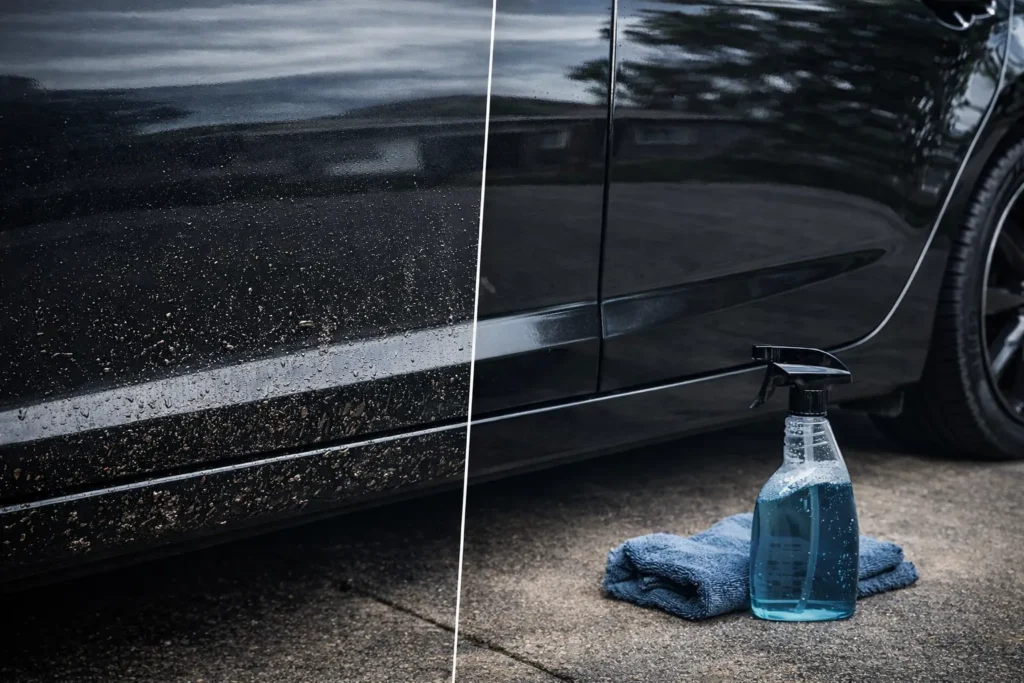
If your car’s lower panels and rocker panels are covered in stubborn tar, you know how frustrating it can be to get them clean again. Tar doesn’t just look ugly—it can also damage your paint and lower the value of your vehicle.
But don’t worry, you don’t have to live with those sticky black spots or risk harming your car’s finish. You’ll discover simple, effective ways to remove tar safely and restore your car’s smooth, shiny appearance. Keep reading to find out how you can tackle tar buildup quickly and protect your paint, so your car looks its best every time you hit the road.
Common Tar Sources
Tar buildup on lower panels and rocker panels often comes from several common sources. Understanding these sources helps in preventing and removing tar effectively. Tar sticks to these areas due to their proximity to the road and exposure to various materials.
Road Tar And Asphalt
Road tar comes from freshly paved roads and road repairs. When driving over new asphalt, small tar particles can splash onto your car. These particles harden quickly on lower panels and rocker panels. They create tough, sticky spots that are hard to clean. Asphalt residue is similar and often mixes with dirt and dust. This combination makes tar removal necessary for maintaining your car’s appearance.
Industrial And Construction Residue
Construction sites often use tar and similar materials for sealing and waterproofing. Dust and tar from these sites can drift onto nearby vehicles. Heavy machinery and trucks carry tar on their tires and undercarriage. This tar transfers to your car’s lower panels and rocker panels when driving nearby. Industrial areas may also have tar deposits from factory processes. This residue can build up fast if the vehicle is frequently exposed to such environments.
Tar Removal Challenges
Removing tar from lower panels and rocker panels poses distinct challenges. These areas often face more dirt and grime, making tar removal tricky. The process needs care to avoid damage. Understanding these challenges helps in achieving the best results.
Adhesion To Lower Panels
Tar sticks strongly to lower panels. These parts are closer to the road. They collect more tar, dirt, and debris. This makes the tar hard and stubborn. Simple washing often fails to remove it. Special solvents or tools are needed to break the bond. The goal is to soften tar without harming the surface.
Risk To Paint And Finish
Lower panels and rocker panels have delicate paint and finishes. Using harsh chemicals can cause fading or peeling. Aggressive scrubbing might scratch the surface. The wrong method can leave marks or dull the shine. It is important to choose gentle but effective products. Careful handling protects the vehicle’s appearance while removing tar.
Household Solutions
Household solutions offer simple and effective ways to remove tar from lower panels and rocker panels. Many common items found at home can break down tar without harsh chemicals. These methods help protect your car’s paint while cleaning stubborn spots.
Using Dawn Dish Soap
Dawn dish soap cuts through grease and oil, making it good for tar removal. Mix a few drops of Dawn with warm water in a bucket or spray bottle. Soak a microfiber cloth in the solution and gently dab the tar spots. The soap breaks down the tar, making it easier to wipe away. Use more solution to keep the cloth wet during cleaning. After removing tar, wash the whole panel with Dawn to remove residue. Reapply wax or sealant to protect the paint, as Dawn removes existing protection.
Baby Oil And Mayonnaise Tricks
Baby oil and mayonnaise soften tar for easy removal. Apply a small amount of baby oil or mayonnaise on the tar spots. Let it sit for 5 to 10 minutes to loosen the tar. Use a soft cloth to gently rub the area in circular motions. Both products break down sticky residues without damaging the paint. After cleaning, wash the panel with soap and water to remove oily traces. These gentle household items work well on fresh or light tar stains.
Wd-40 And Citrus Degreasers
WD-40 and citrus-based degreasers dissolve tough tar and grime. Spray WD-40 directly on the tar spots and wait a few minutes. Use a microfiber cloth to wipe the softened tar off carefully. Citrus degreasers work similarly by breaking down sticky substances. Always test these products on a small hidden area first to ensure paint safety. After treatment, wash the panels with soap and water. These options are great for stubborn tar that won’t come off easily.
Professional Products
Professional products offer reliable and safe solutions for tar removal from lower panels and rocker panels. These products are specially formulated to break down tough tar without harming your vehicle’s paint. Using the right product ensures efficient cleaning and protects your car’s finish.
Commercial Tar Removers
Commercial tar removers are designed to dissolve sticky tar quickly. They contain solvents that loosen tar’s grip on the surface. These products are easy to apply and often require minimal scrubbing. Most commercial tar removers are safe for automotive paint and clear coats. Always follow instructions for best results and avoid damage.
Clay Bars And Detailing Lubricants
Clay bars gently lift tar and contaminants from the paint surface. They work best with detailing lubricants to prevent scratching. The lubricant allows the clay bar to glide smoothly over the panel. This method removes embedded tar and leaves a clean, smooth finish. Clay bars also help restore paint clarity after tar removal.
Step-by-step Removal Process
Removing tar from lower panels and rocker panels requires care and patience. Follow this step-by-step removal process to clean these areas effectively without damaging your vehicle’s paint. Each step ensures safe and thorough tar removal for a smooth finish.
Preparing The Area
Start by parking your car in a shaded, well-ventilated space. Wash the affected panels with water to remove dirt and loose debris. Use a microfiber cloth to dry the area gently. This step prevents scratches during tar removal.
Applying Solvents Safely
Choose a tar remover or household solvent like baby oil or citrus degreaser. Apply a small amount to a clean cloth, not directly on the panel. Dab the tar spots carefully to soften the residue. Let the solvent sit for a few minutes but avoid letting it dry.
Gentle Scrubbing Techniques
Use a soft-bristle brush or microfiber cloth to rub the tar gently. Move in circular motions without applying too much pressure. This method loosens the tar without harming the paint. Repeat applying solvent and scrubbing if needed for stubborn spots.
Rinsing And Washing
Rinse the area with clean water to remove loosened tar and solvent residue. Wash the entire panel with mild car soap to clean remaining traces. Dry the panels with a soft towel. Finish by applying wax or sealant to protect the paint after cleaning.
Post-removal Care
After successfully removing tar from your vehicle’s lower panels and rocker panels, proper post-removal care is essential. Tar removal can strip away protective layers, leaving your paint exposed. Taking the right steps helps restore shine and shields your car from new damage. This care keeps the paint smooth and guards against dirt and grime buildup.
Waxing And Sealing
Apply wax or paint sealant to the cleaned areas. Wax adds a protective layer that repels water, dirt, and minor scratches. Sealants offer longer-lasting protection and a glossy finish. Use a soft cloth and apply evenly in circular motions. Let the product dry, then buff gently to enhance shine. This step restores your car’s original look and helps maintain the paint’s health.
Protecting Paint From Future Tar
Regular washing removes tar before it hardens. Use gentle car soaps that do not strip wax or sealants. Avoid parking near construction or heavily tarred roads. Consider installing mud flaps or rocker panel guards for extra protection. These barriers reduce tar buildup and protect vulnerable lower panels. Keeping your car clean and shielded reduces future tar problems effectively.
Safety Tips
Removing tar from lower panels and rocker panels requires care for safety. Tar removers often contain strong chemicals. These can irritate the skin and eyes. Protecting yourself during the process is essential. Also, take care to avoid harming your vehicle’s finish. Follow these safety tips to clean your car safely and effectively.
Protecting Skin And Eyes
Wear gloves to protect your hands from chemicals. Use safety glasses to shield your eyes from splashes. Work in a well-ventilated area to avoid inhaling fumes. Avoid touching your face during the cleaning process. Wash your hands thoroughly after handling tar removers. If chemicals get in your eyes, rinse immediately with water and seek medical help.
Avoiding Damage To Vehicle Finish
Test any tar remover on a small hidden area first. Use gentle cloths like microfiber to prevent scratches. Do not scrub harshly, as this can damage paint. Avoid using abrasive tools or harsh chemicals not meant for cars. After removing tar, wash the area with mild soap and water. Apply wax or sealant to protect the paint afterward.

Preventive Measures
Preventing tar buildup on lower panels and rocker panels saves time and effort. Taking simple steps helps keep your vehicle clean and damage-free. Regular care protects paint and metal from tar’s harmful effects. Below are key preventive measures that maintain your car’s appearance and value.
Regular Cleaning Schedules
Clean lower panels and rocker panels often to stop tar from sticking. Dirt and tar bond stronger over time, making removal harder. Use mild soap and water for routine washes. Focus on areas near the wheels and road splash zones. Regular cleaning stops tar from hardening and protects the paint finish.
Using Protective Coatings
Apply protective coatings to shield panels from tar and road grime. Wax or paint sealants create a barrier that repels sticky substances. Choose products designed for lower panels and rocker areas. Reapply coatings every few months for continuous protection. These layers make tar easier to remove without damaging paint.
Frequently Asked Questions
How To Get Tar Off A Car Without Damaging Paint?
Use a soft cloth with warm water and mild dish soap to gently dab tar spots. Avoid scrubbing to protect paint. For stubborn tar, apply baby oil or a citrus-based cleaner, then wash and re-wax the area to restore protection.
What Will Dissolve Roofing Tar?
Roofing tar dissolves with solvents like mineral spirits, kerosene, or specialized tar removers. Dish soap and baby oil also help break it down safely. Apply gently, then wipe clean and reapply protective coatings to surfaces. Always test solvents on a small area first.
Will Dawn Dish Soap Remove Tar From a Car?
Yes, Dawn dish soap can remove tar from a car by cutting through grease and oil effectively. Use a cloth soaked in soapy water to gently dab and wipe the tar. Always reapply wax afterward to protect the paint, as Dawn removes wax and sealants.
Will Wd-40 Remove Tar From Car Paint?
WD-40 can remove tar from car paint effectively. Spray it on the tar, let it sit briefly, then wipe gently. Always wash and wax afterward to protect the paint.
Conclusion
Removing tar from lower and rocker panels keeps your car’s paint safe. Use gentle cleaners like dish soap or baby oil for best results. Always work slowly to avoid scratches or damage. After cleaning, reapply wax to protect your paint.
Regular maintenance stops tar buildup and keeps panels looking clean. Clean panels improve your car’s appearance and prevent corrosion. Take time with each step for a smooth, shiny finish. Tar removal is simple with the right tools and care. Your car will thank you with a fresh, polished look.














