
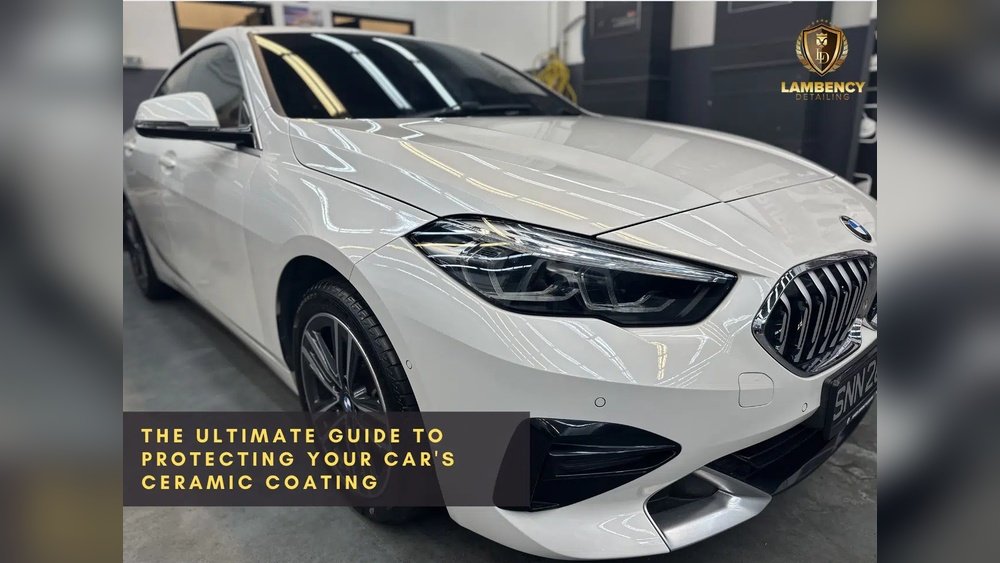
If you want your vehicle to look brand new for years, ceramic coating might be the game-changer you’ve been searching for. Imagine a protective shield that keeps your car’s paint shiny, guards against dirt and scratches, and makes cleaning a breeze.
That’s exactly what ceramic coating offers. But how do you know if it’s right for your ride? And how do you apply it correctly to get the best results? In this ultimate guide, you’ll discover everything you need to know—from the real benefits and costs to step-by-step application tips.
Ready to give your vehicle the care it deserves? Let’s dive in and unlock the secrets to a flawless finish that turns heads wherever you go.
Benefits Of Ceramic Coating
Ceramic coating offers many benefits that protect and enhance your vehicle. It forms a strong bond with your car’s paint. This creates a durable shield against damage. The coating also improves your vehicle’s appearance. It keeps your car cleaner for longer. These advantages make ceramic coating a smart choice for car owners.
Long-lasting Paint Protection
The ceramic layer guards against scratches and chips. It resists UV rays that cause fading. This protection keeps your car’s paint looking new. The coating lasts for years without needing reapplication. It reduces damage from daily wear and tear. This saves money on paint repairs over time.
Enhanced Gloss And Shine
Ceramic coating adds a deep, glossy finish to your vehicle. It enhances the color and makes it more vibrant. The smooth surface reflects light better than bare paint. This creates a wet, shiny look that stands out. Your car looks polished and well-maintained all year round.
Water And Dirt Repellency
The coating creates a hydrophobic surface that repels water. Water beads up and rolls off easily. Dirt and grime have less chance to stick to the paint. This makes washing your car faster and easier. It also helps prevent water spots and stains after rain.
Resistance To Chemical Stains
Ceramic coating protects against acidic contaminants like bird droppings and bug splatter. These substances can etch or stain untreated paint. The coating forms a barrier that resists chemical damage. It helps keep your vehicle’s surface clean and smooth. This protection preserves your car’s finish longer.
Types Of Ceramic Coatings
Ceramic coatings protect your vehicle by forming a strong, shiny layer. Different types suit different needs and budgets. Understanding these types helps you pick the right one.
Professional-grade Coatings
These coatings offer the highest durability and protection. Experts apply them in controlled environments. They create a thick, long-lasting shield against scratches and dirt. Expect protection lasting several years with proper care. The application process requires skill and special tools.
Diy Ceramic Kits
DIY kits are designed for car owners to apply themselves. They are easier to use but less durable than professional options. These kits usually last up to two years. They provide good protection and improve shine. Instructions guide you through a simple application process.
Hybrid And Spray Coatings
Hybrid coatings combine features of professional and DIY products. They offer moderate durability and easier application. Spray coatings are quick to apply and good for maintenance. These coatings boost water repellency and gloss. They work well as a supplement to other coatings.
Surface Preparation Steps
Preparing your vehicle’s surface is the most important step before applying ceramic coating. The coating bonds best to a clean, smooth surface. Proper preparation ensures durability and a flawless finish. Follow these steps carefully for the best results.
Thorough Washing And Decontamination
Start by washing the car thoroughly to remove dirt and grime. Use a pH-balanced car shampoo for safe cleaning. Pay attention to wheel wells and lower panels where dirt builds up. After washing, use a clay bar to remove embedded contaminants. This step helps create a smooth surface for the coating to stick.
Paint Correction And Polishing
Check the paint for scratches, swirl marks, or oxidation. Use a polish to correct these imperfections. Polishing smooths the paint and restores its shine. This step is crucial as ceramic coating will lock in any flaws. Use a dual-action polisher for even results. Work in small sections for better control.
Removing Residual Oils
After polishing, clean the surface with an isopropyl alcohol (IPA) solution. This removes oils left by wax, polish, or other products. Residual oils can prevent the coating from bonding properly. Use a microfiber cloth and wipe the paint gently. Allow the surface to dry completely before moving on.
Application Techniques
Ceramic coating application requires careful steps for the best result. Proper techniques ensure the coating bonds well and lasts long. This section explains key methods to apply ceramic coating correctly. Follow these steps to protect your vehicle effectively.
Choosing The Right Environment
Select a clean, dust-free area for application. Temperature should be between 60°F and 75°F (15°C to 24°C). Avoid direct sunlight to prevent fast drying. Humidity should be low to moderate. This helps the coating cure evenly and stick properly.
Proper Application Tools
Use a high-quality applicator pad designed for ceramic coatings. Microfiber towels are essential for wiping off excess product. Avoid using old or rough cloths that may scratch the paint. Prepare all tools before starting to keep the process smooth.
Applying Even Coats
Apply the ceramic coating in small sections at a time. Use slow, circular motions for even coverage. Avoid heavy spots or streaks, which cause uneven protection. Work panel by panel to maintain control and quality. Light pressure works best for smooth application.
Curing And Buffing Process
Allow the coating to flash, or haze, for a few minutes after application. This step is crucial for bonding. Use a clean microfiber towel to gently buff the surface. Remove any high spots or streaks carefully. Let the coating cure fully for 24 to 48 hours before exposing to water.
Common Mistakes To Avoid
Ceramic coating can protect your vehicle for years. Avoiding common mistakes ensures the best results. Many people rush the process or miss key steps. These errors reduce the coating’s durability and shine. Learn which mistakes to avoid for a smooth and lasting finish.
Skipping Surface Prep
Surface prep is the most important step. Dirt, wax, or oils block the coating from bonding. Always wash and clay bar your car first. Use a paint cleaner or polish to remove old residues. A clean surface lets the coating stick properly and last longer.
Applying In Direct Sunlight
Applying ceramic coating under the sun causes problems. Heat makes the coating dry too fast. This leads to streaks and uneven coverage. Work in a shaded or indoor area for better control. Cooler surfaces allow the coating to spread evenly and cure well.
Using Excess Product
More product does not mean better protection. Using too much causes thick layers that do not cure properly. This leaves a sticky or hazy finish. Apply thin, even coats in small sections. Follow the product instructions for the right amount.
Ignoring Cure Times
Curing time is essential for the coating to harden. Rushing this step lowers the coating’s strength. Avoid driving or washing your car during the cure period. Give the coating time to bond fully. This ensures long-lasting shine and protection.

Credit: www.615protint.com
Maintenance After Coating
Maintaining your vehicle after applying a ceramic coating is crucial. Proper care keeps the coating effective and the paint looking fresh. Simple steps can extend the life of the coating and protect your car’s finish.
Regular maintenance helps avoid damage and buildup of dirt or grime. It also ensures the coating continues to repel water and contaminants as designed.
Washing Tips For Longevity
Use a gentle car shampoo made for coated vehicles. Avoid automatic car washes with brushes that can scratch the surface. Wash your car in the shade to prevent water spots. Use a microfiber wash mitt to reduce swirl marks. Rinse thoroughly to remove all soap residue. Dry with a soft microfiber towel for best results.
Avoiding Harsh Chemicals
Stay clear of strong detergents, acidic cleaners, or abrasive products. These can break down the ceramic coating’s protective layer. Choose pH-neutral soaps to keep the coating intact. Do not use solvents or polish with abrasive compounds. Always check product labels before applying anything to the coated surface.
Periodic Inspection And Reapplication
Inspect your vehicle regularly for signs of wear or damage. Look for dull spots or areas where water no longer beads. Minor scratches may appear over time and reduce effectiveness. Schedule professional reapplication every 1 to 2 years to maintain protection. Proper reapplication restores the coating’s performance and shine.
Cost And Value Considerations
Ceramic coating offers strong protection and shine for your vehicle. Understanding the costs and value is important before deciding to coat your car. This helps you choose the right method and plan your budget wisely.
Professional Services Vs Diy
Professional ceramic coating costs more but ensures high quality. Experts prepare the surface, apply the coating evenly, and guarantee lasting results. DIY kits are cheaper but need careful work. Mistakes can reduce protection and appearance. Choose professional service for best results or DIY for savings if you have time and skill.
Expected Lifespan
Ceramic coatings last from two to five years on average. Higher quality coatings and proper care extend this lifespan. Professional application usually results in longer durability. DIY coatings may wear out faster if not applied correctly. Regular washing and avoiding harsh chemicals help keep the coating effective.
Return On Investment
Ceramic coating protects your vehicle’s paint from scratches and stains. This keeps your car looking new longer and can increase resale value. It reduces the need for frequent waxing and paint correction. Spending on ceramic coating can save money over time on maintenance and repairs. Consider coating as an investment in your car’s appearance and protection.

Credit: wedetailaz.com
Myths And Facts
Ceramic coating has grown popular among car owners. Many stories swirl around its benefits and limits. Some claims might confuse you. Sorting myths from facts helps you decide wisely. Let’s clear up common doubts about ceramic coating.
Ceramic Coating Is Scratch Proof?
Ceramic coating adds a strong layer on your car’s paint. It protects against light scratches and swirl marks. Yet, it cannot stop deep scratches or chips. Think of it as a shield, not armor. Regular care still matters for your vehicle.
Does It Eliminate The Need For Washing?
Ceramic coating repels dirt and water well. This makes your car easier to clean. It does not mean you never wash your car again. Dirt, dust, and grime still build up over time. Washing remains important to keep your car looking fresh.
Compatibility With All Paint Types
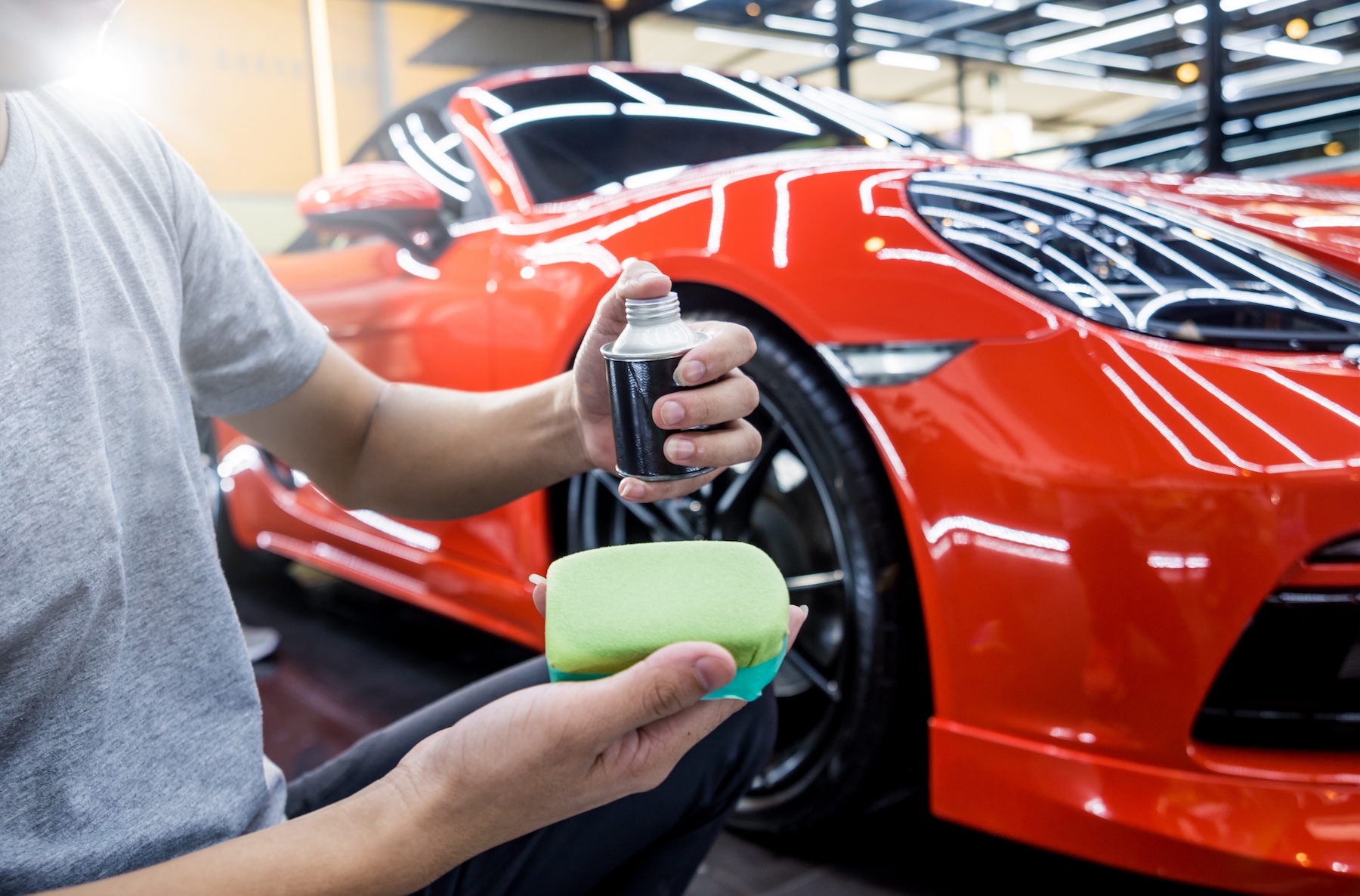
Most ceramic coatings work on various paint types. They bond well with clear coats found on modern vehicles. Older or matte finishes need special products. Always check product details to ensure the coating suits your paint. Proper application ensures best results.
Credit: www.augustprecision.com
Frequently Asked Questions
What Is Ceramic Coating For Vehicles?
Ceramic coating is a liquid polymer applied to a vehicle’s exterior. It bonds chemically with the paint, offering durable protection and enhanced shine.
How Long Does Ceramic Coating Last On A Car?
Typically, ceramic coatings last between 2 to 5 years. Longevity depends on product quality, application method, and vehicle maintenance.
Can I Apply Ceramic Coating Myself?
Yes, DIY ceramic coating kits are available. However, proper surface preparation and careful application are crucial for best results.
What Are The Benefits Of Ceramic Coating?
Ceramic coating provides superior paint protection, water repellency, UV resistance, and a glossy finish. It reduces maintenance and preserves vehicle value.
Conclusion
Ceramic coating protects your vehicle’s paint and keeps it shining. It creates a strong barrier against dirt and scratches. Applying it properly extends your car’s life and look. Regular care helps maintain the coating’s benefits longer. Choose the right product and follow steps carefully.
This guide simplifies ceramic coating for all vehicle owners. Enjoy a cleaner, glossier car with less effort. Your vehicle deserves this extra layer of protection. Give it the care that keeps it looking new.














