
Keeping your car in great shape doesn’t have to be a mystery or a hassle. If you want your vehicle to run smoothly, save money on repairs, and stay reliable for years, you need the right maintenance habits.
You’ll discover simple yet powerful tips and tricks that make car care easy and effective. From checking your fluids to protecting your paint, these practical steps will help you avoid unexpected breakdowns and keep your car looking and feeling like new.
Ready to take control of your car’s health? Let’s dive in and make maintenance something you actually look forward to!
Credit: blog.wepaythemax.com
Regular Washing And Waxing
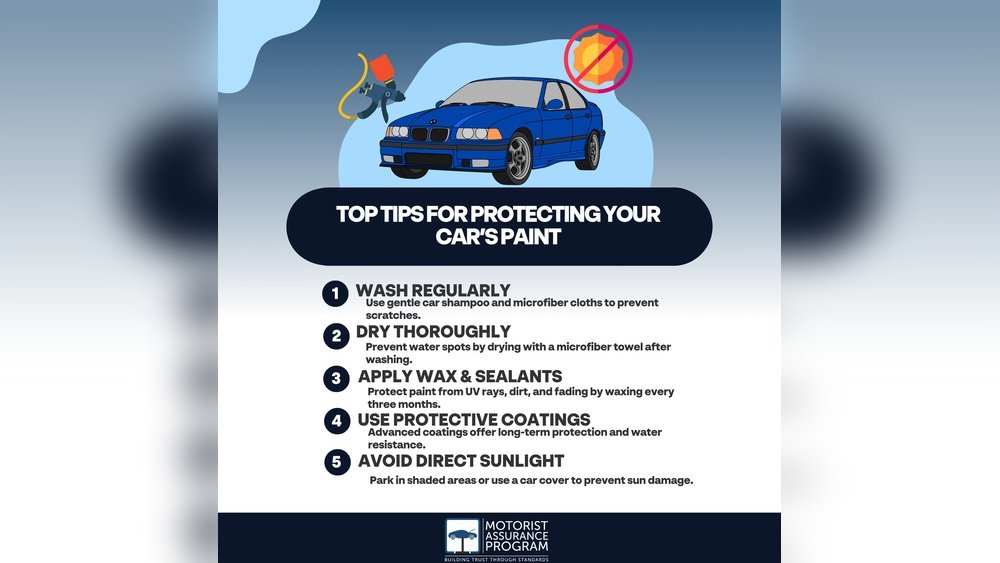
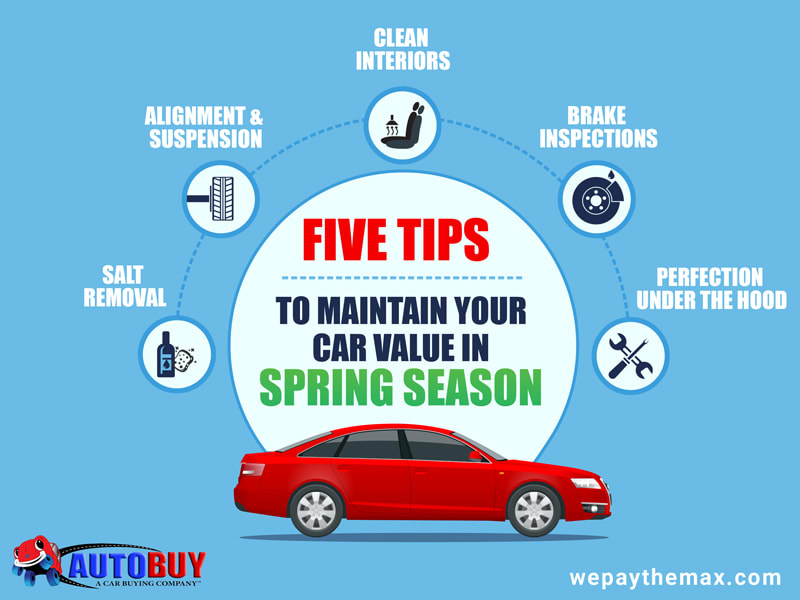
Regular washing and waxing play a vital role in keeping a car in excellent condition. Dirt, grime, and road salt can damage your car’s paint and metal parts over time. Washing removes harmful substances and keeps the car looking fresh.
Waxing adds a protective layer to the paint. This layer helps prevent scratches and shields the surface from UV rays. Together, washing and waxing maintain your car’s shine and extend its lifespan.
Optimal Washing Frequency
Washing your car once every two weeks suits most climates. More frequent washing helps in dusty or rainy areas. Avoid washing daily as it may wear the paint. Regular washing stops dirt buildup and rust formation.
Avoiding Harsh Chemicals
Use mild, car-specific soaps for cleaning. Harsh chemicals can strip wax and damage paint. Avoid household detergents or bleach. These can cause fading and corrosion. Always rinse thoroughly after washing.
Underbody And Engine Cleaning
Clean the underbody to remove salt and mud. This prevents rust on metal parts. Use a pressure washer carefully to avoid damage. Cleaning the engine bay removes grease and dirt. It helps the engine run cooler and lasts longer.
Benefits Of Waxing Twice A Year
Waxing twice a year keeps the paint smooth and shiny. It adds a water-resistant layer that repels rain and dirt. Wax protects against sun damage that fades paint. Regular waxing reduces the need for costly repairs.
Credit: www.johnsoncityford.com
Engine And Fluid Checks
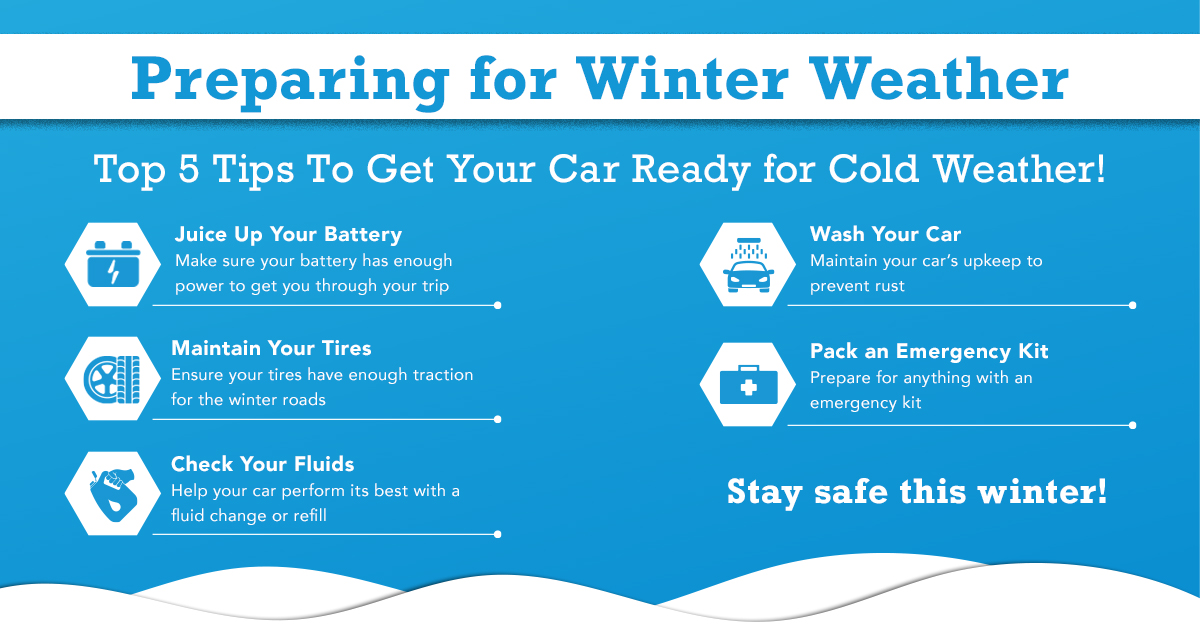
Regular engine and fluid checks keep your car running smoothly. They help avoid costly repairs and extend your car’s life. Simple checks take little time but make a big difference. Focus on oil, coolant, brake fluids, and drive belts.
Oil Change Schedule
Change engine oil regularly. Follow the schedule in your car’s manual. Fresh oil lubricates engine parts and reduces wear. Old oil causes friction and damage. Check oil level monthly using the dipstick. Add oil if the level is low.
Monitoring Coolant And Brake Fluids
Coolant prevents your engine from overheating. Check coolant level in the reservoir. Fill it if it is below the minimum mark. Brake fluid keeps brakes working well. Low brake fluid lowers brake performance. Inspect the brake fluid level often and top up if needed.
Transmission And Brake Fluid Flushes
Transmission fluid helps gears shift smoothly. Dirty fluid can cause transmission problems. Flush the transmission fluid as per your car’s service guide. Brake fluid absorbs moisture over time. Flushing brake fluid every two years keeps brakes safe and responsive.
Checking Drive Belts And Hoses
Drive belts power important parts like the alternator and water pump. Hoses carry fluids to different engine parts. Check belts for cracks, fraying, or wear. Inspect hoses for leaks or soft spots. Replace any damaged belts or hoses quickly to prevent breakdowns.
Tire Care And Maintenance
Proper tire care is essential for safe driving and extending tire life. Tires connect your car to the road, so maintaining them ensures better handling and fuel efficiency.
Regular checks and maintenance help avoid sudden tire problems. This section covers key tips to keep your tires in top shape.
Regular Tire Rotation
Rotate tires every 5,000 to 7,000 miles. This balances tire wear and improves performance. Front and rear tires wear differently. Rotating them helps all tires wear evenly. It also extends tire lifespan and saves money.
Checking Tire Pressure
Check tire pressure monthly. Use a reliable gauge for accuracy. Proper pressure improves fuel economy and prevents uneven wear. Under-inflated tires cause poor handling and increase crash risk. Over-inflated tires wear out faster and reduce traction. Follow manufacturer’s recommended pressure on the door sticker.
Inspecting For Wear And Tear
Look for cracks, cuts, or bulges on tires. Uneven tread wear can signal alignment or suspension issues. Use the penny test to check tread depth. Insert a penny into the tread with Lincoln’s head upside down. If you see the top of his head, it’s time to replace the tires. Regular inspection ensures safe driving and prevents blowouts.
Brake System Upkeep
The brake system is one of the most important parts of your car. It keeps you safe by helping you stop quickly and smoothly. Proper brake system upkeep prevents accidents and saves money on costly repairs. Regular care makes sure your brakes work well in all conditions.
Routine Brake Inspections
Check your brakes every 6 months or 6,000 miles. Look for worn pads, damaged rotors, and fluid leaks. Inspections catch small problems before they get worse. A mechanic can test brake pressure and ensure all parts work correctly. Don’t skip these checks to keep your car safe.
Replacing Brake Pads And Fluids
Brake pads wear down with use and need replacement. Replace them every 30,000 to 70,000 miles depending on driving habits. Brake fluid should be changed every 2 years or 24,000 miles. Old fluid can cause brake failure. Use the right brake fluid type as recommended by your car’s manual.
Signs Of Brake Wear
Listen for squealing or grinding sounds when braking. These noises mean pads are thin or damaged. Feel if the brake pedal is soft or spongy. This could indicate fluid leaks or air in the brake lines. Notice if your car pulls to one side while braking. It may signal uneven pad wear or brake issues. Address these signs quickly to avoid danger.
Scheduled Component Replacements
Keeping your car running smoothly depends a lot on scheduled component replacements. These are planned changes of parts before they fail. They help avoid costly repairs and keep your car safe. Replacing parts on time improves your car’s performance and fuel efficiency. It also extends the vehicle’s life and prevents breakdowns on the road.
Timing Belt And Spark Plug Changes
The timing belt controls engine timing and must be replaced regularly. A worn belt can break and cause serious engine damage. Follow your car’s manual for replacement intervals. Spark plugs ignite the fuel in the engine. Old spark plugs cause poor fuel economy and rough starts. Changing them keeps the engine running smoothly and saves fuel.
Water Pump And Battery Checks
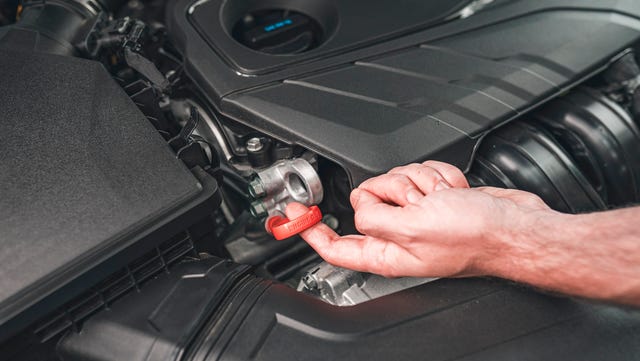
The water pump circulates coolant to keep the engine cool. It wears out over time and should be replaced on schedule. A failing pump can cause the engine to overheat. The battery powers the car’s electrical system. Test the battery regularly and replace it if it shows signs of weakness. A good battery ensures reliable starts and proper electrical function.
Suspension And Steering Inspections
Suspension parts absorb shocks from the road and provide comfort. Worn suspension leads to poor handling and uneven tire wear. Steering parts control direction and must be in good shape for safety. Regular inspections catch problems early. Fixing suspension or steering issues prevents accidents and keeps driving smooth.
Driving Habits For Longevity
Good driving habits play a key role in keeping your car in top shape. Careful driving reduces wear and tear on your vehicle. It also helps prevent costly repairs and extends your car’s life. Small changes in how you drive make a big difference over time.
Avoiding Aggressive Driving
Aggressive driving includes speeding, rapid lane changes, and hard braking. These actions strain the engine, brakes, and tires. Avoiding aggressive moves lowers the risk of accidents. It also protects your car’s parts from early damage. Drive smoothly and stay calm behind the wheel.
Benefits Of Gentle Acceleration And Braking
Slow and steady acceleration saves fuel and reduces engine stress. Gentle braking prevents damage to brake pads and rotors. This style of driving improves safety and comfort. It also keeps your car running efficiently for longer. Practice smooth starts and stops every time you drive.
Parking In Garages
Parking in a garage shields your car from sun, rain, and dirt. It helps protect the paint and interior from fading. Garages also reduce the chance of theft or vandalism. Whenever possible, choose covered parking to keep your vehicle safe. This simple habit preserves your car’s appearance and value.
Following Manufacturer Guidelines
Following the manufacturer guidelines is essential to keep your car running smoothly. These guidelines provide the best advice tailored to your vehicle’s design. They help prevent damage and extend the car’s lifespan.
Ignoring these instructions can lead to costly repairs. Sticking to the recommended schedules and tips ensures safety and efficiency. Below are key ways to follow these guidelines effectively.
Consulting The Owner’s Manual
The owner’s manual holds crucial information about your car. It explains maintenance schedules, fluid types, and service intervals. Reading it helps you understand your car’s specific needs.
Keep the manual handy for quick reference. It guides you on oil changes, tire pressure, and other vital checks. Follow these instructions to avoid voiding warranties or causing damage.
Adapting To Driving Conditions
Driving conditions affect how often your car needs service. Harsh weather or rough roads require more frequent checks. Adjust your maintenance based on these factors.
For example, stop-and-go traffic might need more oil changes. Dusty areas call for regular air filter cleaning. Tailoring care to conditions keeps your car healthy.
Keeping A Maintenance Log
Maintain a log to track all services and repairs. Note dates, mileage, and work done on your car. This record helps you follow the manufacturer’s schedule accurately.
A detailed log also boosts your car’s resale value. It shows buyers that you cared for the vehicle properly. Use a notebook or a digital app for easy tracking.
Credit: www.caranddriver.com
Preventive Measures And Early Detection
Taking preventive measures and spotting problems early keeps your car running smoothly. It helps avoid costly repairs and extends your car’s life. Regular checks catch issues before they grow. This practice saves time and money.
Multi-point Inspections
Multi-point inspections check many car parts at once. Mechanics look at brakes, tires, fluids, belts, and more. These inspections find hidden problems quickly. They help keep all systems in good shape. Schedule inspections regularly to stay ahead of issues.
Catching Small Issues Early
Small problems can turn into big ones fast. A minor leak or worn belt can cause serious damage. Fixing issues early stops breakdowns on the road. Watch for unusual noises, smells, or warning lights. Early detection keeps your car safe and reliable.
Maintaining Optimal Performance
Regular care keeps your car running at its best. Clean filters, proper fluid levels, and good tire pressure boost efficiency. This reduces fuel use and wear on parts. A well-maintained car drives better and lasts longer. Check and follow the maintenance schedule carefully.
Conclusion
Regular care keeps your car running smoothly and safely. Check fluids and tires often. Clean your car to prevent damage and rust. Follow your owner’s manual for scheduled maintenance. Small actions save money on repairs later. Drive gently to avoid wear and tear.
A well-maintained car lasts longer and holds value. Stay consistent, and your car will thank you with reliability. Simple habits make a big difference in car health. Keep your vehicle in good shape for peace of mind.














