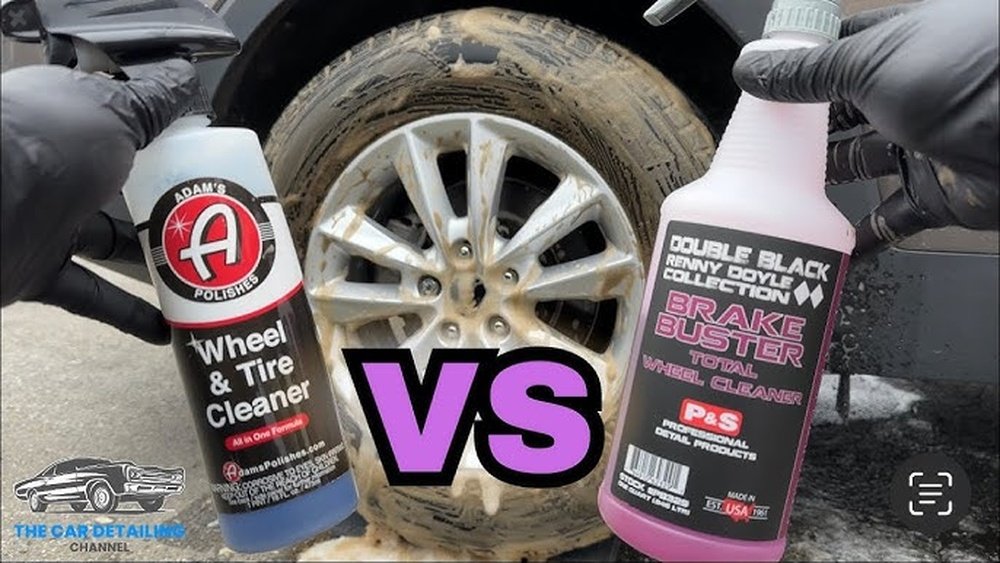
When it comes to keeping your car looking sharp, you might wonder: do you really need separate products for your tires and wheels? You’re not alone.
Many car owners struggle to figure out whether a tire cleaner and a wheel cleaner are the same or if each serves a unique purpose. Using the wrong cleaner can leave stubborn brake dust behind or even damage your rims.
You’ll discover the key differences between tire cleaner and wheel cleaner, how each product works, and why choosing the right one matters for your car’s appearance and protection. Ready to get your wheels and tires spotless without wasting time or money? Let’s dive in and clear up the confusion once and for all.

Credit: meguiarsdirect.com
Differences Between Tire And Wheel Cleaners
Understanding the differences between tire and wheel cleaners helps choose the right product. Each cleaner is designed for specific parts of your vehicle. Using the correct cleaner protects surfaces and improves cleaning results.
Chemical Composition
Tire cleaners usually have alkaline formulas. These break down grease and dirt on rubber surfaces. Wheel cleaners often contain acidic or pH-neutral ingredients. They target brake dust and metal grime without damaging finishes.
Targeted Cleaning Areas
Tire cleaners focus on rubber tires, removing road grime and oils. Wheel cleaners are made for metal rims and spokes. They clean tough stains and stuck-on brake dust safely. Using the wrong cleaner can harm the surface or leave residue.
Effectiveness On Brake Dust And Grime
Brake dust sticks firmly to wheels and needs strong cleaners. Acidic wheel cleaners dissolve brake dust quickly. Tire cleaners are less effective on brake dust because they target rubber, not metal. Proper wheel cleaners keep rims shiny and free of stubborn grime.
Types Of Wheel Cleaners
Wheel cleaners come in different types to suit various wheel materials and cleaning needs. Choosing the right type helps protect the finish and removes brake dust effectively. Some cleaners are strong and target tough grime, while others are gentle for regular maintenance.
Understanding the main types of wheel cleaners helps in picking the best product for your wheels.
Acidic Cleaners
Acidic wheel cleaners use strong acids to break down brake dust fast. They work well on steel and aluminum wheels. These cleaners remove heavy grime but can harm delicate finishes. Use acidic cleaners carefully and avoid frequent use to prevent damage.
Alkaline Cleaners
Alkaline wheel cleaners use basic chemicals to dissolve grease and dirt. They are safer on painted and coated wheels than acidic options. Alkaline cleaners handle light to moderate brake dust well. They clean tires and rims but may need extra effort for tough grime.
Ph Neutral Options
pH neutral wheel cleaners balance cleaning power and safety. They are gentle on all wheel types, including ceramic-coated ones. These cleaners maintain wheel shine and do not strip wax or sealants. Ideal for regular wheel care and light dirt removal.
Types Of Tire Cleaners
Tire cleaners come in several types, each made for different cleaning needs. Choosing the right type helps keep your tires looking fresh and extends their life.
Some cleaners remove tough grime, while others focus on gentle cleaning. Understanding the types of tire cleaners helps you pick the best product for your vehicle.
Degreasers And Apcs
Degreasers and All-Purpose Cleaners (APCs) are strong and versatile. They cut through grease, oil, and dirt quickly. These cleaners work well on heavily soiled tires.
APCs can clean tires and other parts, making them budget-friendly. Use them carefully, as strong formulas may harm some tire materials.
Dedicated Tire Cleaners
Dedicated tire cleaners are made specifically for tires. They remove brake dust, dirt, and road grime without damaging rubber. Many have conditioners to keep tires looking new.
These cleaners are usually safe for all tire types. They often include ingredients to restore black color and shine.
Household Alternatives
Some people use household items like dish soap or baking soda to clean tires. These can work for light dirt but may not remove tough grime.
Household cleaners are gentle but might need more scrubbing. Avoid harsh chemicals that can dry out or crack tires.
Choosing The Right Cleaner
Choosing the right cleaner for your wheels and tires is key to keeping them looking great. Wheels and tires have different materials and conditions that need special care. Using the wrong cleaner can cause damage or leave dirt behind. Understanding how to pick the correct product helps you clean effectively and safely.
Based On Wheel Material
Wheels come in many materials like aluminum, chrome, or steel. Each type reacts differently to cleaners. Acid-based wheel cleaners work well on strong metals but can harm polished or coated wheels. pH-neutral cleaners are safer for delicate finishes. Always check the wheel’s material before choosing a cleaner to avoid damage.
Considering Tire Condition
Tires can be old, new, dry, or cracked. A gentle tire cleaner works best on dry or cracked tires to avoid further wear. For very dirty tires, a stronger alkaline cleaner removes grease and grime. Select a cleaner that suits the tire’s condition to keep it healthy and looking fresh.
Safety And Surface Compatibility
Not all cleaners are safe for every surface. Some wheel cleaners can harm painted or coated parts near the wheels. Tire cleaners usually focus on rubber but may damage nearby plastic or trim. Always read labels for safety instructions. Test cleaners on a small area first to ensure they do not cause harm.
Cleaning Techniques For Rims And Tires
Cleaning rims and tires requires different techniques and products. Each part has unique dirt and grime. Using the right method helps keep your wheels looking fresh and extends their life.
Rims often have brake dust and grease that need strong cleaners. Tires collect dirt, road grime, and old tire dressing. Proper cleaning makes a big difference in appearance and safety.
Pre-rinse And Preparation
Start by rinsing rims and tires with water. This removes loose dirt and dust. Use a pressure washer or hose with strong water flow. It helps prepare surfaces for cleaning chemicals.
Check for stubborn spots like brake dust on rims or thick mud on tires. Cover nearby areas to avoid overspray. Preparation prevents damage and improves cleaning results.
Application Methods
Apply wheel cleaner directly on rims. Spray evenly to cover all areas. Let it sit for a few minutes but do not let it dry.
Use tire cleaner on the tire sidewalls. Spray generously and allow the formula to break down grime. Avoid spraying tire cleaner on rims as it may not be effective.
Agitation And Tools
Use soft brushes for rims to avoid scratches. A wheel brush with soft bristles works well. Focus on tight spots and crevices where dirt hides.
For tires, use a stiff tire brush to scrub the sidewalls. This removes old dressing, dirt, and stains. Agitation helps cleaners work deeper and cleans better.

Credit: ethoscarcare.com
Common Mistakes To Avoid
Cleaning tires and wheels requires the right approach. Avoiding common mistakes can save time and protect your vehicle’s appearance. Using the wrong product or neglecting details causes damage and poor results. Pay attention to these errors to keep wheels and tires spotless and safe.
Using The Wrong Cleaner
Wheel cleaners are made for brake dust and grime on rims. Tire cleaners target dirt and grease on rubber surfaces. Using tire cleaner on wheels often fails to remove tough brake dust. Using wheel cleaner on tires can cause discoloration or damage. Always choose a cleaner designed for the specific part.
Neglecting Protective Coatings
Many wheels have protective coatings like wax or sealant. Strong cleaners can strip these coatings away. Without protection, wheels become vulnerable to corrosion and stains. Clean gently to preserve these layers. Avoid harsh chemicals unless you plan to reapply coatings afterward.
Overlooking Hard-to-remove Contaminants
Brake dust and road grime can harden over time. Simple cleaning may not remove these deposits fully. Use specialized products or tools to break down tough contaminants. Failing to address these build-ups leads to permanent damage. Regular cleaning helps prevent stubborn dirt accumulation.
Top Product Comparisons
Choosing the right product for cleaning your car’s wheels and tires can be tricky. Tire cleaners and wheel cleaners serve different purposes and use different formulas. Comparing top products helps to understand which cleaner fits your needs best. This guide breaks down popular options for wheels, tires, and combined solutions.
Popular Wheel Cleaners Tested
Wheel cleaners focus on removing brake dust, dirt, and grime from rims. Many use acidic or pH-neutral formulas. Acidic cleaners work well on tough brake dust but can harm delicate finishes. pH-neutral cleaners are gentler and safe for coated wheels.
Top wheel cleaners in tests remove dirt quickly without damaging surfaces. Some products change color to show they are working. This feature helps users know the cleaner is active. Always check if the cleaner suits your wheel type.
Leading Tire Cleaners Reviewed
Tire cleaners target grease, road grime, and old tire dressing. Most tire cleaners have alkaline formulas to break down tough dirt and oil. They often foam or spray easily for full coverage.
The best tire cleaners lift dirt effectively without extra scrubbing. Some products also prepare tires for dressing, making them look new longer. Safe formulas avoid drying out rubber, which can cause cracking.
All-in-one Solutions
All-in-one products combine wheel and tire cleaning in one bottle. These solutions save time and space in your car care kit. They balance acidic and alkaline ingredients to clean both surfaces.
While convenient, all-in-one cleaners may not work as deeply as dedicated products. They suit casual users with light dirt but may struggle on heavy brake dust or grease. Check product labels for specific uses and safety information.
Maintaining Spotless Rims
Spotless rims boost your car’s look and protect its value. Dirt, brake dust, and grime can quickly spoil their shine. Using the right cleaners keeps rims looking new for longer. A good routine and proper products make a big difference.
Wheel cleaner and tire cleaner serve different purposes. Wheel cleaner targets brake dust and tough stains on rims. Tire cleaner removes dirt and road grime from rubber. Understanding these helps maintain spotless rims easily.
Regular Cleaning Schedule
Clean rims at least once every two weeks. This prevents buildup of brake dust and dirt. Frequent cleaning avoids hard stains that need strong chemicals. Use wheel cleaner for rims and tire cleaner for tires. Stick to this schedule for best results.
Protective Treatments
After cleaning, apply a protective coating on rims. This guards against brake dust and road grime. Protective treatments make future cleaning easier. Sealants and waxes create a barrier that repels dirt. Reapply treatments regularly for lasting shine.
Preventing Brake Dust Build-up
Brake dust is the main enemy of clean rims. It sticks and creates a dark layer. Use wheel cleaner designed to break down brake dust quickly. Clean rims soon after driving to stop dust from hardening. Prevent buildup by using gentle scrubbing tools.

Credit: www.youtube.com
Frequently Asked Questions
Is Tire Cleaner The Same As Wheel Cleaner?
Tire cleaner targets rubber grime and grease, while wheel cleaner focuses on removing brake dust and metal contaminants. They differ in chemical composition and purpose.
Do You Really Need A Wheel Cleaner?
Yes, a wheel cleaner effectively removes brake dust, grime, and tough stains that water or soap can’t. It protects your wheels and maintains their appearance.
What Is The Best Thing To Clean Car Wheels With?
Use a pH-neutral wheel cleaner spray for regular maintenance and ceramic coatings. For tough brake dust, choose an acid-based cleaner. Avoid harsh chemicals to prevent damage. Always rinse wheels thoroughly after cleaning.
What Is The Best Thing To Clean Car Tires With?
Use a dedicated tire cleaner or an all-purpose cleaner (APC) for best results. These cut grease and remove grime effectively. Avoid just car soap; it won’t clean tires well. Degreasers also work well for tough buildup. Always follow product instructions for safe, thorough cleaning.
Conclusion
Choosing the right cleaner makes a big difference in car care. Tires and wheels face different dirt and stains. Tire cleaners target tough grime and road grease. Wheel cleaners focus on brake dust and metal buildup. Using each product properly keeps your vehicle looking fresh.
Clean tires and wheels improve your car’s appearance and safety. Simple steps and the right products save time and effort. Keep your ride shining by treating tires and wheels separately. Clean smarter, not harder.