
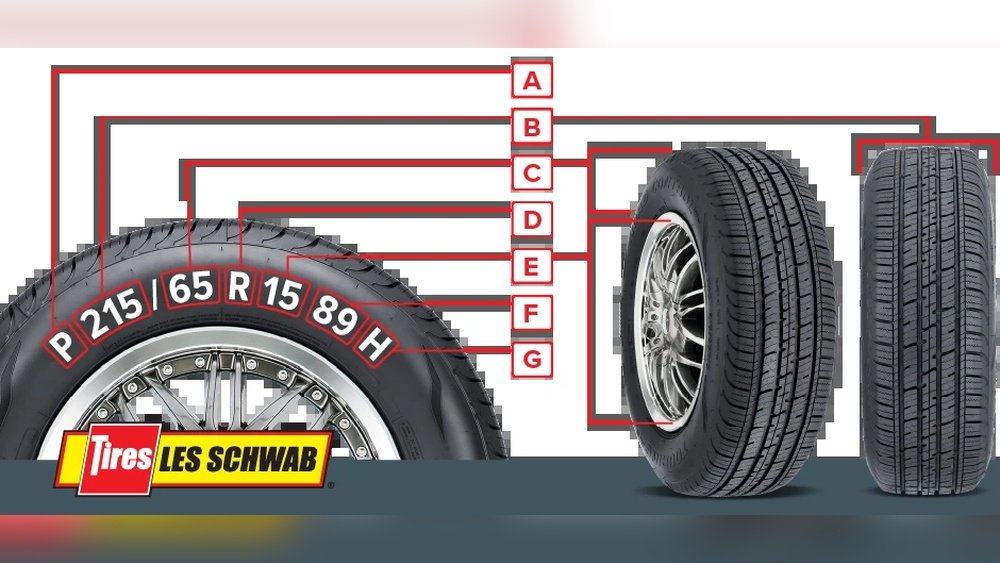
Have you ever glanced at the side of your tire and wondered what all those numbers and letters really mean? Those seemingly random codes are actually packed with important information about your tire’s size, performance, and safety.
Understanding these numbers isn’t just for car experts—it’s something you can easily learn to make smarter choices for your vehicle. Whether you’re buying new tires or just curious about your current ones, knowing how to read these markings can save you money and keep you safer on the road.
Keep reading, and you’ll discover the simple secrets behind those tire numbers and how they relate directly to your driving experience.
Tire Size Basics
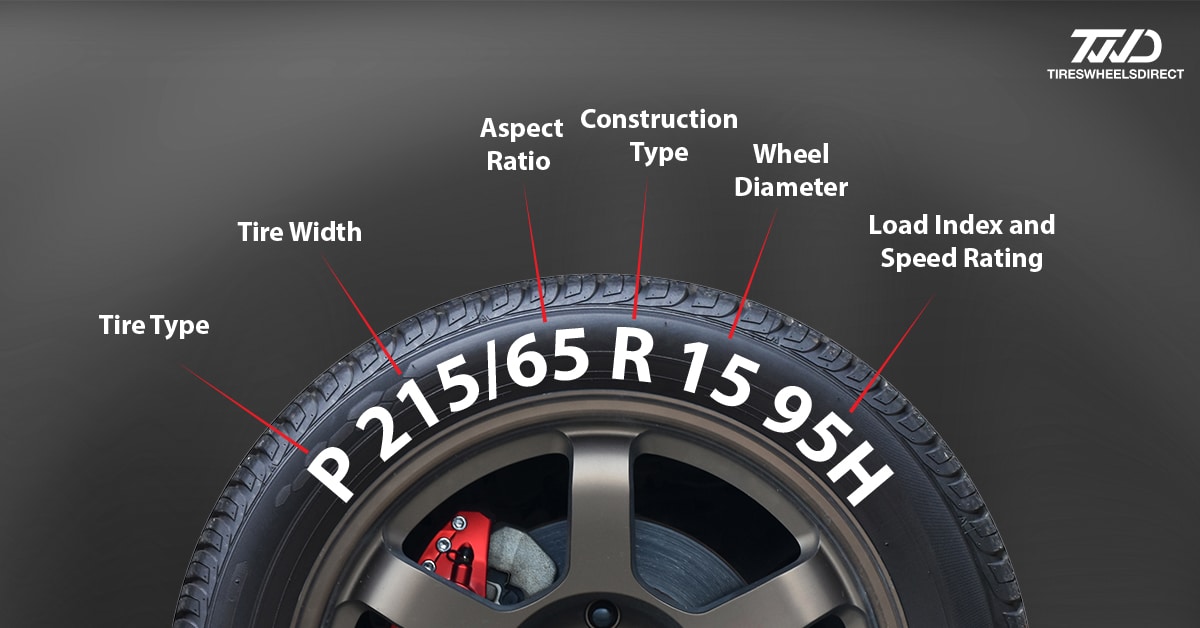
Tire type codes on the sidewall tell you the tire’s intended use. They appear as letters before the size numbers. These codes help match tires to the right vehicle. Understanding them ensures safety and proper performance. Here are the main tire type codes you will find.
Passenger Vehicle Tires
Passenger vehicle tires start with the letter “P.” This stands for “P-Metric” tires. These tires fit cars, minivans, and small SUVs. The “P” means the tire meets standards for passenger use. These tires focus on comfort and fuel efficiency. They handle well on paved roads. If you see a tire labeled “P215/65R15,” it is for a passenger vehicle.
Light Truck Tires
Light truck tires begin with “LT.” These tires are made for heavier loads. They fit trucks, large SUVs, and vans. “LT” tires have stronger sidewalls and tougher construction. This helps with carrying weight and off-road driving. They may have higher inflation pressure. An example is “LT245/75R16.” Choosing the right “LT” tire keeps your vehicle safe on rough terrain.
Specialty Tire Indicators
Some tires have special letters for unique uses. For example, “T” means temporary or spare tires. These are smaller and meant for short-term use only. Another code is “C,” for commercial tires used on heavy trucks. Some tires show “ST,” which means trailer tires designed only for trailers. Knowing these codes helps avoid using the wrong tire. Specialty tires have specific limits and purposes.
Credit: tireswheelsdirect.com
Tire Type Codes
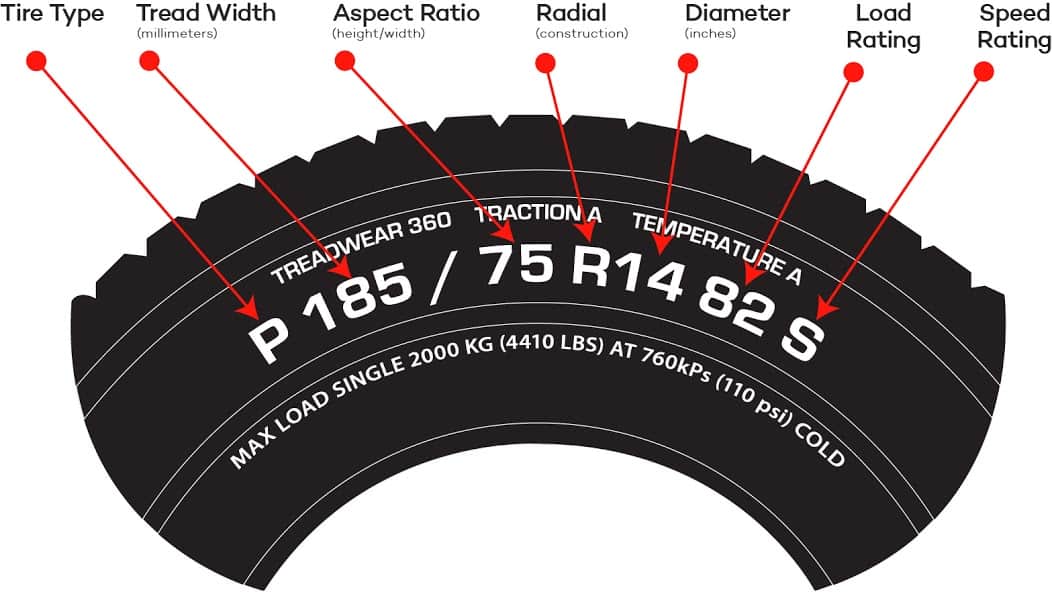
The load index and speed rating are two important numbers on your tire’s sidewall. They tell you about the tire’s strength and how fast it can safely go. These numbers help you choose the right tire for your vehicle. Understanding them keeps you safe on the road.
Understanding Load Capacity
The load index is a number that shows how much weight the tire can carry. Each number matches a specific weight limit. For example, a load index of 95 means the tire can carry up to 1,521 pounds. This is important because using a tire with too low a load index can cause tire damage or failure.
Always check your vehicle’s manual to find the correct load index. Using tires with the right load capacity helps your car handle well and keeps you safe.
Speed Symbols Explained
The speed rating is a letter that shows the maximum speed the tire can handle. Each letter stands for a certain speed in miles per hour. For example, a speed rating of “H” means the tire can safely go up to 130 mph.
Choosing tires with the correct speed rating ensures they perform well at the speeds you drive. Using tires with a lower speed rating than needed can be dangerous, especially at high speeds.
Load Index And Speed Rating
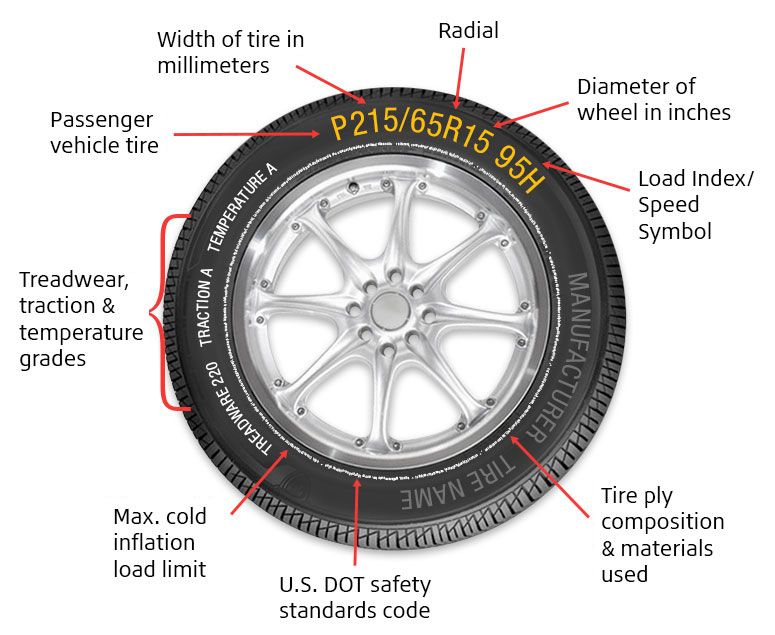
Understanding the numbers and letters on your tire sidewall is key for safe driving. These markings provide vital information about tire size, type, and performance. Reading them helps ensure tires fit your vehicle and meet safety standards. Proper interpretation prevents accidents and improves vehicle handling.
Signs For Tire Replacement
Check the tire tread depth regularly. Shallow tread reduces traction and increases stopping distance. Look for cracks, bulges, or cuts on the sidewall. These can cause tire failure. Uneven wear patterns may signal alignment or suspension problems. Also, note the tire’s age. Tires older than six years may become unsafe, even if they look fine.
Matching Tires To Vehicle Needs
Use tire markings to match tires with your vehicle’s requirements. The numbers indicate width, aspect ratio, and diameter. These must fit your wheels and vehicle specifications. Pay attention to load index and speed rating. They show how much weight the tire can carry and its maximum speed. Choosing the right tire ensures better fuel efficiency and safer rides.
Credit: www.utires.com
Credit: www.firestonecompleteautocare.com
Frequently Asked Questions
Which Tire Is Taller, A 65 Or 70?
A 70 tire is taller than a 65 tire. The number represents the aspect ratio, with 70 indicating a taller sidewall.
Can I Use 275 Tires Instead Of 265?
Yes, you can use 275 tires instead of 265 if they fit your wheel and vehicle specifications. Check clearance and speed rating.
What Do The 3 Tire Size Numbers Mean?
The first number shows tire width in millimeters. The second is the aspect ratio, the sidewall height as a percentage of the width. The third number indicates the wheel diameter in inches.
Can I Use 65 Instead Of 60 Tires?
Using 65 instead of 60 tires affects ride height and speedometer accuracy. Ensure compatibility with your vehicle’s specifications before switching.
Conclusion
Understanding tire numbers helps you pick the right tire easily. These numbers tell you about tire width, height, and speed limits. Knowing them keeps you safer on the road. It also helps maintain your vehicle’s performance and fuel efficiency. Next time you check your tires, you’ll know what to look for.
Simple numbers with big importance. Keep your tires in good shape and drive with confidence.














