
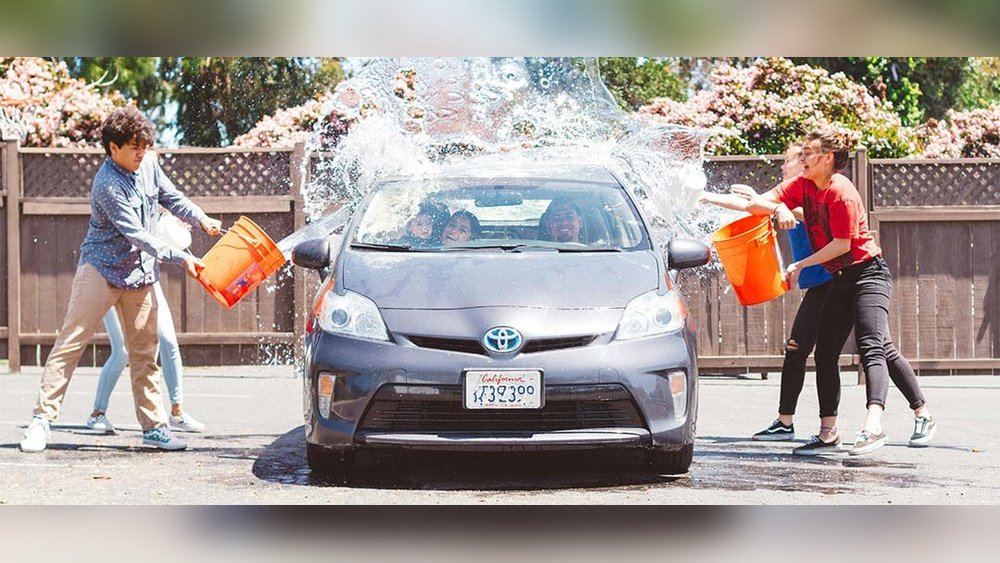
Thinking about running a car wash? It might seem like a straightforward way to earn money, but there’s a crucial step many overlook: getting the proper permit.
What happens if you operate a car wash without a permit? You could face serious consequences that affect your business, your wallet, and even your reputation. Before you jump in, it’s important to understand the rules and what risks you’re taking by skipping this essential requirement.
Keep reading to discover why permits matter and how operating without one can turn your opportunity into a costly mistake.
Credit: fieldd.co
Permit Requirements For Car Washes
Operating a car wash requires specific permits to comply with legal and environmental standards. These permits ensure the business runs safely and responsibly. Ignoring permit requirements can lead to fines, shutdowns, or legal action. Understanding the types of permits and regulations is vital for any car wash owner.
Types Of Permits Needed
Car washes often need multiple permits. A business license is the first step to operate legally. Water discharge permits control how wastewater is handled. Some locations require building permits for the physical structure. Health permits may be necessary if chemicals are used. Each permit serves a specific purpose to protect public health and safety.
Local And State Regulations
Regulations vary by location and state. Local governments may have additional rules for zoning and noise. State laws typically cover water use and waste management. Checking with local authorities helps avoid violations. Compliance with all rules maintains good standing and avoids penalties.
Environmental Considerations
Car washes impact the environment through water use and runoff. Permits often include guidelines to prevent pollution. Proper treatment of wastewater is required before release. Many areas mandate water recycling systems to save resources. Following environmental rules protects nature and reduces costs.
Consequences Of Operating Without A Permit
Operating a car wash without the necessary permit can lead to serious consequences. Authorities monitor businesses closely to ensure compliance with local laws. Running a car wash without permission puts your business at risk of legal and financial trouble. Understanding these consequences helps prevent costly mistakes and protects your investment.
Legal Penalties
Operating without a permit is against the law. Authorities may issue citations or orders to stop your business. Repeated violations can lead to court appearances and legal action. You might face criminal charges depending on local regulations. Legal problems damage your reputation and can affect future permits.
Fines And Financial Risks
Fines for operating without a permit can be high. These fines increase with each violation or continued operation. Paying fines cuts into your profits and may cause financial strain. Legal fees add extra costs if you must defend yourself in court. Unpaid fines can lead to liens or other financial penalties.
Business Closure Risks
Authorities can order your car wash to close immediately. Forced closure stops all business activities and income. You may lose customers and damage your brand’s reputation. Reopening often requires obtaining the proper permits and paying fees. Closure disrupts your operations and can cause long-term setbacks.
Environmental And Safety Risks
Operating a car wash without a permit can lead to serious environmental and safety risks. Permits ensure that businesses follow rules designed to protect water sources and public health. Ignoring these rules puts communities and ecosystems in danger. The risks involve water pollution, improper wastewater handling, and threats to public health.
Water Pollution Issues
Car wash water contains dirt, oils, and chemicals. Without a permit, untreated water may flow into streets and storm drains. This runoff can reach rivers and lakes, harming fish and plants. Polluted water affects drinking supplies and recreational areas. Permits require filters and treatments to stop pollution.
Wastewater Disposal Regulations
Car washes produce large amounts of wastewater. Permits set rules on how to collect and treat this water. Without a permit, businesses might dump wastewater illegally. This breaks laws and causes pollution. Proper disposal protects soil and groundwater from harmful substances.
Public Health Concerns
Contaminated water from car washes can spread germs and toxins. These dangers affect nearby residents and workers. Unregulated operations risk spreading illnesses and causing accidents. Permits help enforce safety measures that protect everyone’s health.
Credit: fieldd.co
Impact On Business Reputation And Operations
Operating a car wash without a permit can cause serious problems for your business. The impact on your reputation and daily operations can be damaging. Customers expect businesses to follow the law. When a business skips permits, it can appear unprofessional and careless.
This section explains how operating without a permit affects trust, insurance, and future licensing. Understanding these issues helps you see why permits matter.
Loss Of Customer Trust
Customers want safe and legal services. If they learn a car wash lacks a permit, trust fades quickly. People may worry about safety and quality. Negative reviews spread fast. This hurts your reputation and drives customers away. Losing trust means losing business and profits.
Insurance And Liability Problems
Without a permit, insurance companies may refuse coverage. This leaves the business vulnerable to costly claims. Accidents or damages could lead to legal trouble. Paying fines or lawsuits out of pocket can be expensive. Proper permits show responsibility and protect against risks.
Difficulty In Future Licensing
Running a business without a permit creates a bad record. Authorities may deny future applications or delay approval. It becomes harder to expand or open new locations. A clean legal history is key to smooth licensing. Following rules now saves headaches later.
Steps To Obtain Proper Permits
Starting a car wash business requires careful attention to legal steps. One key step is obtaining the right permits. Proper permits ensure your business operates within the law. They protect you from fines and shutdowns. Follow these steps to get permits smoothly and quickly.
Application Process
Begin by visiting your local city or county office. Many places offer online applications to save time. Fill out all required forms accurately. Submit your application along with any fees. Wait for confirmation or further instructions from officials. Check your email or mail regularly for updates.
Required Documentation
Prepare important documents before applying. These often include your business license, property lease or ownership proof, and identification. You may also need environmental impact reports. Sometimes, proof of water discharge permits is necessary. Keep copies of all documents for your records.
Tips For Smooth Approval
Double-check all forms for errors before submission. Provide clear and honest answers to questions. Respond quickly to any requests from authorities. Maintain good communication with local officials. Attend any required inspections on time. Following these tips helps avoid delays and problems.

Credit: www.reddit.com
Alternatives For Small Or Mobile Car Washes
Running a small or mobile car wash business needs care to follow local laws. Many cities require permits to operate legally. These rules keep the environment safe and control water use. Not having a permit can cause fines or business closure. Small and mobile car washes have options to work legally and avoid trouble.
Temporary Permits
Temporary permits allow short-term car wash operations. They are ideal for events or seasonal work. Usually, these permits last a few days or weeks. Applying early helps avoid last-minute delays. Temporary permits often have rules on water use and location. Follow these rules to stay compliant and operate safely.
Fundraiser And Charity Wash Rules
Car washes for fundraisers or charities may have special rules. Many places offer exemptions or easier permits. These rules limit the number of events per year. Organizers must inform local authorities before starting. Water use and waste disposal rules still apply. Check local laws to ensure your fundraiser car wash is allowed.
Home-based Washing Restrictions
Washing cars at home is popular but often restricted. Many cities ban washing on driveways to protect water systems. Runoff with soap and dirt can harm the environment. Some areas allow washing with water recycling systems. Always check local rules before starting a home-based car wash. Following restrictions avoids fines and protects your neighborhood.
Frequently Asked Questions
Do You Need A License To Work At A Carwash?
A license is usually not required to work as a carwash attendant. However, a clean driver’s license and vehicle experience may be necessary. Local regulations may vary, so check with your area’s requirements before starting.
Do You Need A Permit To Do A Car Wash Fundraiser?
Yes, many locations require a permit for car wash fundraisers. Check local city or county regulations before hosting. Permits often cover water use and traffic control. Operating without a permit may lead to fines or shutdowns. Always confirm requirements with local authorities to ensure compliance.
Can I Wash Cars As A Side Hustle?
Yes, washing cars can be a profitable side hustle. It offers flexible hours and low startup costs. Check local regulations for permits.
Is It Legal To Wash My Car In My Driveway?
Washing your car in your driveway is legal in many areas but may be restricted due to local water pollution laws. Check local regulations to avoid fines. Avoid letting soapy water enter storm drains, as it can harm the environment and violate stormwater rules.
Conclusion
Operating a car wash without a permit risks heavy fines and legal trouble. Local rules protect water quality and public safety. Authorities may shut down unpermitted businesses quickly. Avoid costly penalties by following permit requirements carefully. Running a legal car wash ensures smooth operation and builds trust.
Always check local laws before starting your business. Staying compliant keeps your business safe and successful.














