
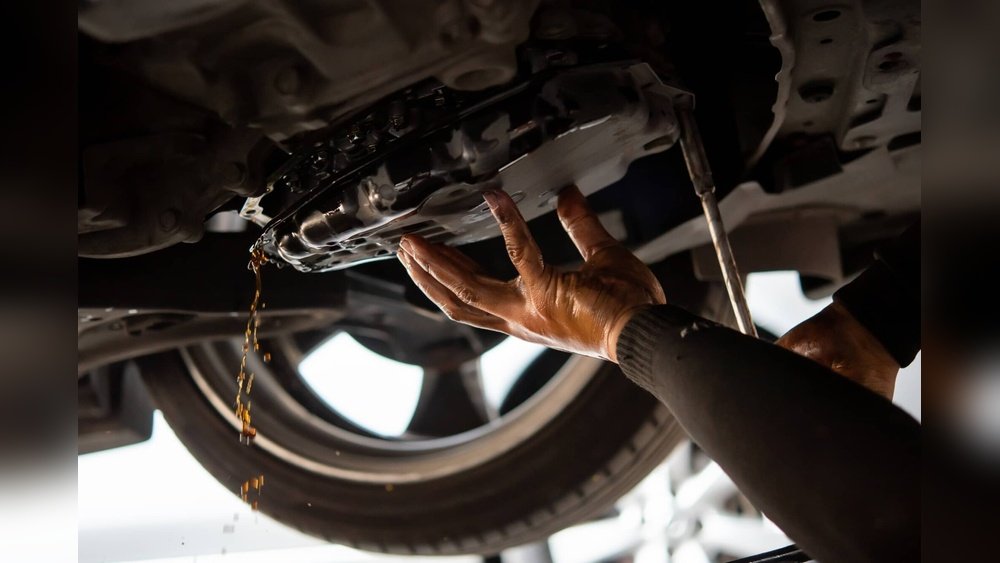
You might not think much about your car’s transmission fluid, but it plays a crucial role in keeping your vehicle running smoothly. Ignoring when to change your transmission fluid can lead to costly repairs or even complete transmission failure.
So, how do you know the right time to replace it? You’ll discover simple signs to watch for, factors that affect fluid life, and easy tips to keep your transmission in top shape. Whether you’re driving around Austin, Texas, or anywhere else, understanding when to change your transmission fluid can save you money and stress down the road.
Keep reading to learn everything you need to know to protect your car and avoid unexpected breakdowns.
Transmission Fluid Types
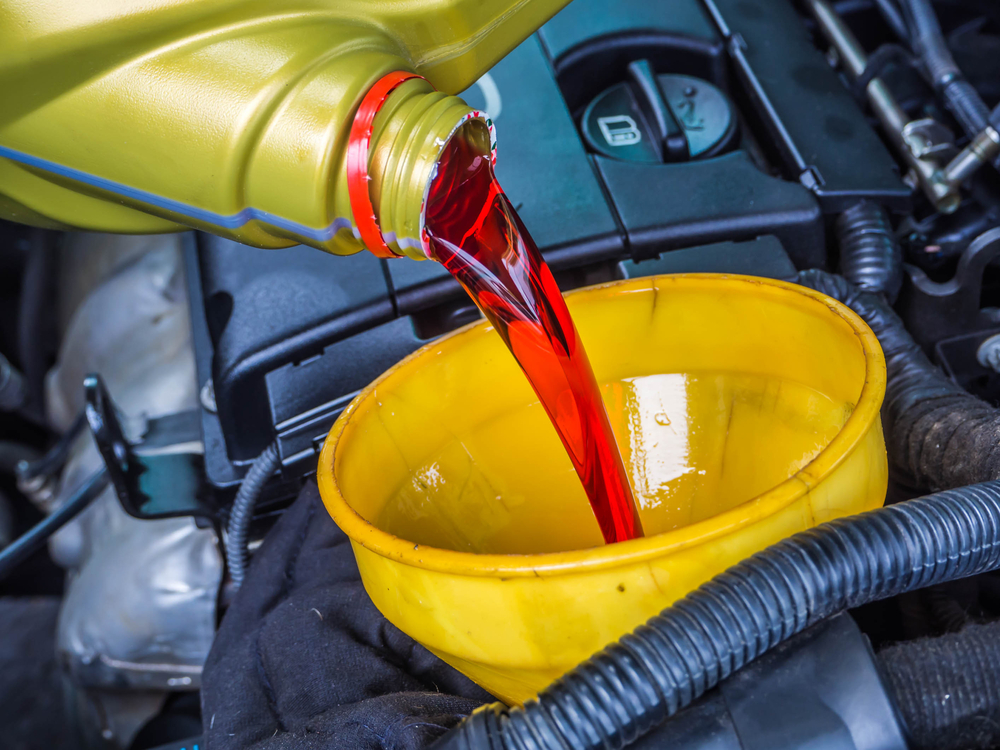
Transmission fluid plays a crucial role in keeping your vehicle’s transmission running smoothly. Different types of transmissions require specific fluids to work properly. Using the right fluid helps prevent wear and overheating. It also ensures smooth gear shifts and extends the life of your transmission. Understanding the various transmission fluid types will help you maintain your car better.
Automatic Vs Manual
Automatic transmissions use automatic transmission fluid (ATF). ATF is designed to lubricate and cool parts inside the transmission. It also helps with hydraulic pressure for shifting gears. Manual transmissions often use gear oil or manual transmission fluid. This fluid is thicker and protects the gears and bearings under heavy load. Using the wrong fluid can cause damage or poor performance in both types.
Cvt And Dct Fluids
Continuously Variable Transmissions (CVT) use special CVT fluid. This fluid supports the belt or chain system inside the transmission. It must handle high pressure and reduce wear. Dual Clutch Transmissions (DCT) require DCT fluid, which combines properties of ATF and gear oil. DCT fluid helps with quick gear changes and protects clutch parts. Always check the manufacturer’s recommendation for these fluids.
Synthetic Vs Conventional
Synthetic transmission fluids offer better protection than conventional fluids. They resist heat and breakdown longer. Synthetic fluids improve shifting smoothness and extend fluid change intervals. Conventional fluids are less expensive but may need changing more often. Some older cars may still use conventional fluids. Choose synthetic fluids for modern vehicles for improved performance and longer transmission life.
Credit: www.endurancewarranty.com
Change Intervals By Transmission
Knowing the right time to change your car’s transmission fluid depends on the type of transmission. Different transmissions have specific intervals for fluid changes. Following these intervals helps keep your transmission running smoothly and extends its life. Below are general guidelines based on transmission type and driving conditions.
Standard Recommendations
Automatic transmissions usually need fluid changes every 30,000 to 60,000 miles. Manual transmissions often require changes every 30,000 to 50,000 miles. Continuously Variable Transmissions (CVTs) may need fluid changes more frequently, around every 25,000 to 40,000 miles. Always check your owner’s manual for exact intervals. Sticking to these recommendations prevents damage and poor performance.
High-mileage Adjustments
Cars with over 75,000 miles may need more frequent fluid changes. Transmission fluid breaks down over time and with usage. Older transmissions can benefit from changes every 20,000 to 30,000 miles. This keeps the fluid fresh and protects worn parts. High-mileage vehicles require closer attention to avoid costly repairs.
Severe Driving Conditions
Heavy towing, stop-and-go traffic, and driving in hot weather stress transmissions. Dusty or mountainous roads also increase fluid wear. Under these conditions, change intervals should be shortened by half. For example, if the manual says 60,000 miles, change at 30,000 miles. Severe conditions cause fluid to degrade faster, risking transmission damage.
Driving Habits Affecting Fluid Life
Driving habits have a strong impact on the life of your car’s transmission fluid. The way you use your vehicle can speed up fluid wear. This affects the fluid’s ability to protect and cool the transmission. Understanding these habits helps you know when to change the fluid.
Towing And Hauling
Towing heavy loads puts extra pressure on the transmission. The fluid heats up more than usual. High temperatures break down the fluid faster. This reduces its ability to lubricate parts well. Changing transmission fluid more often is necessary for towing vehicles.
City Stop-and-go Traffic
Stop-and-go driving in the city causes frequent shifting. This creates more friction inside the transmission. The fluid heats up and gets dirty quicker. Constant starting and stopping wears down the fluid’s quality. Drivers in urban areas should check their fluid more regularly.
Dusty And Mountainous Roads
Driving on dusty roads allows dirt to enter the transmission system. Mountain roads make the transmission work harder due to steep slopes. Both conditions increase fluid contamination and heat. Dirt and heat cause fluid breakdown and reduce its lifespan. Change the fluid sooner if you drive in these tough environments.
Credit: www.cbac.com
Signs To Replace Fluid
Transmission fluid plays a crucial role in your vehicle’s performance. Over time, this fluid wears out and loses its effectiveness. Recognizing the signs to replace transmission fluid can save your car from serious damage. Watch for changes in how your car shifts and sounds. Also, check the fluid’s color and smell regularly. Acting on these signs early keeps your transmission healthy and your drives smooth.
Difficulty Shifting Gears
When shifting gears feels hard, transmission fluid might be low or dirty. You may notice the engine revving but the car does not accelerate smoothly. This resistance means the fluid is not lubricating properly. Poor lubrication causes parts to grind, leading to wear. Changing the fluid can restore smooth gear changes and protect your transmission.
Unexpected Gear Slipping
Gear slipping happens when the car shifts gears without warning. The vehicle might suddenly jump to a higher or lower gear. This can be dangerous and damage the transmission. Slipping often signals old or contaminated fluid. Fresh fluid helps maintain proper pressure and keeps gears engaged correctly.
Unusual Noises
Grinding or whining noises during gear changes are a red flag. These sounds mean the transmission fluid is not doing its job. Dirty or low fluid fails to cushion moving parts. This causes metal components to rub and create noise. Replacing the fluid reduces friction and stops these disturbing sounds.
Fluid Color And Smell
Check your transmission fluid color regularly using the dipstick. Healthy fluid is bright red or pink and clear. Dark brown or black fluid shows it is old and dirty. A burnt smell is another warning sign. This odor means the fluid has overheated and broken down. Changing the fluid improves transmission health and prevents costly repairs.
Fluid Change Vs Flush
Transmission fluid maintenance is vital for your car’s smooth operation. Two common services are fluid change and fluid flush. They serve to keep the transmission system healthy but differ in process and impact. Understanding these differences helps you pick the right option for your vehicle’s needs.
When To Choose A Fluid Change
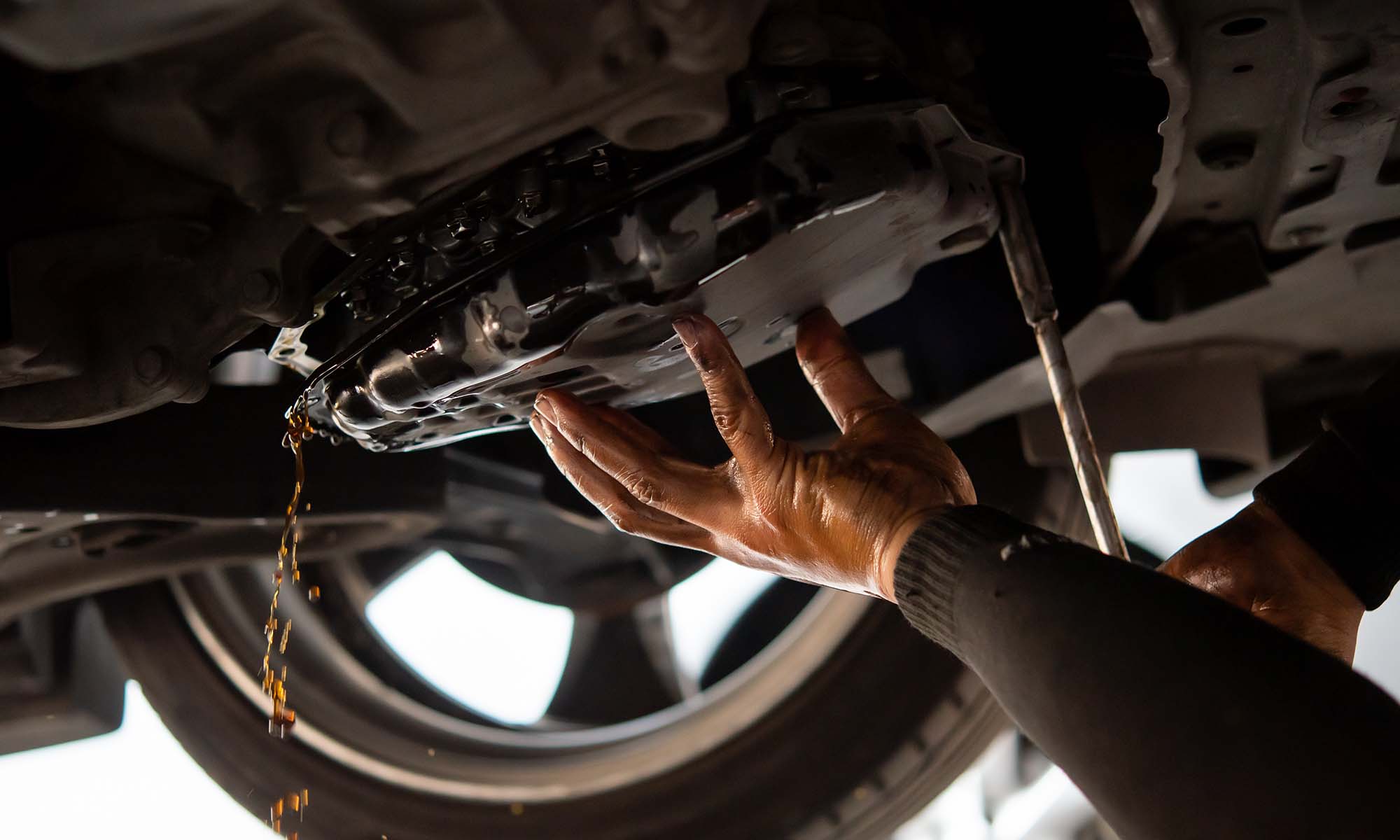
A fluid change removes old transmission fluid and adds fresh fluid. It is a simple, gentle process. Choose this option if your fluid is dirty but the transmission works well. It suits regular maintenance schedules and cars with moderate mileage. A fluid change helps maintain performance without risking damage.
Risks Of A Full Flush
A full flush cleans out all the old fluid and debris from the system. It uses high pressure to remove sludge. This can dislodge particles that block small passages inside the transmission. For some vehicles, this causes slipping or shifting problems. A flush is not recommended for transmissions with unknown fluid history.
High-mileage Vehicle Considerations
Older cars with high mileage need careful fluid care. A full flush may harm seals and gaskets in these vehicles. Choose a fluid change to avoid sudden leaks or transmission failure. Check your owner’s manual and consult a trusted mechanic for advice. Proper fluid care extends the life of your transmission.
Credit: www.youtube.com
Cost Factors
Several cost factors affect the price of changing your car’s transmission fluid. Understanding these can help you budget for this essential service. Costs vary based on your vehicle, the type of transmission, and where you get the service done. Some parts and labor also influence the final bill.
Transmission Type Impact
Automatic transmissions usually cost more to service than manual ones. Some newer models have sealed transmissions that require less frequent fluid changes. CVT (Continuously Variable Transmission) fluids are often pricier than standard types. The complexity of the transmission affects both parts and labor costs.
Vehicle Make And Model
Luxury or imported cars tend to have higher fluid change costs. Parts and fluids for these vehicles often cost more. Some models need special tools or procedures, increasing labor time. Common cars usually have lower service costs due to easier access and parts availability.
Fluid Type Costs
Standard transmission fluid is cheaper than synthetic or specialized fluids. Some cars require specific fluid types to maintain warranty. Using the right fluid is crucial for transmission health. The cost difference between fluid types can be significant.
Dealer Vs Independent Shop
Dealerships often charge more for transmission fluid changes. They use original parts and fluids recommended by the manufacturer. Independent shops may offer lower prices but check their reputation. Some independents use quality aftermarket fluids to save costs.
Filter And Gasket Replacement
Replacing the transmission filter and gasket adds to the cost. These parts are important for a clean fluid system. Some fluid changes include filter and gasket replacement, others do not. Always confirm what is included to avoid surprises.
Labor Rate Variations
Labor rates differ by location and shop type. Urban areas usually have higher labor costs than rural ones. Complex transmissions take more time to service, increasing labor charges. Always ask for a labor estimate before the service begins.
Maintenance Tips
Proper maintenance of your car’s transmission fluid keeps your vehicle running smoothly. Regular care helps avoid costly repairs. Follow these simple tips to maintain your transmission fluid effectively. They ensure your transmission stays in good condition and lasts longer.
Checking Fluid Levels
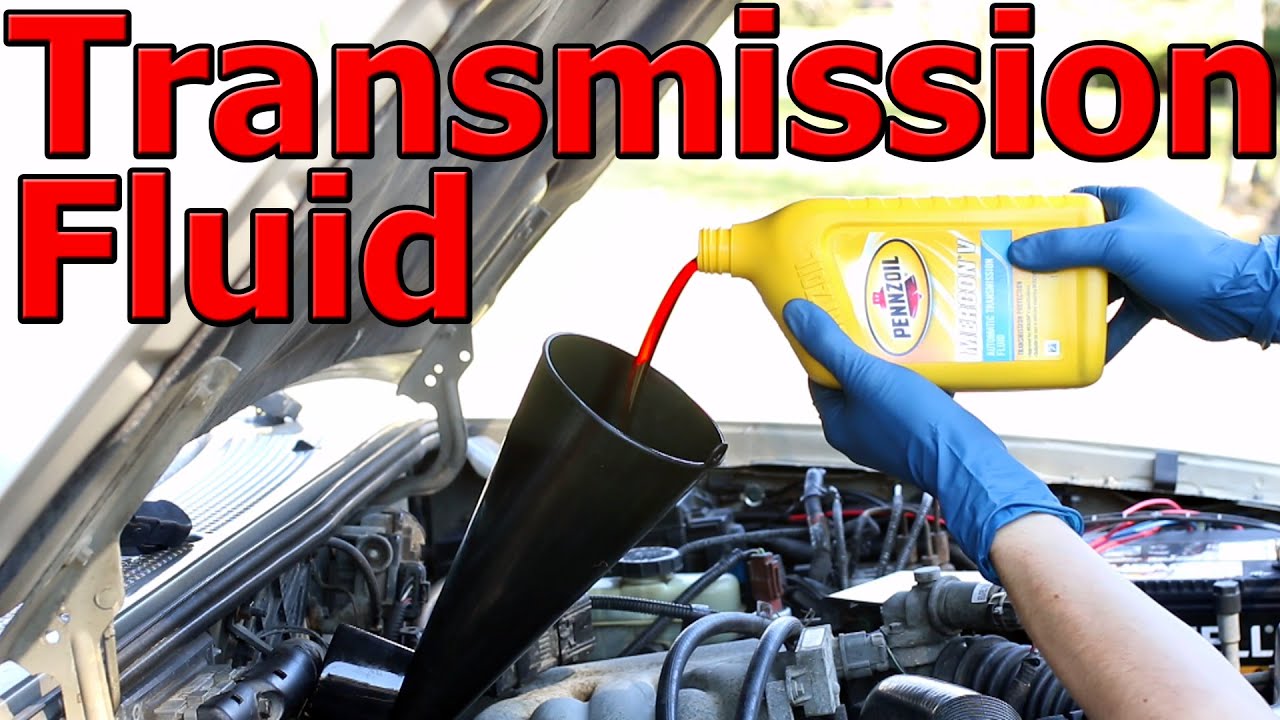
Check your transmission fluid regularly. Use the dipstick under the hood. Make sure the engine is warm and running. Pull out the dipstick, wipe it clean, and reinsert it fully. Remove it again to check the level. The fluid should be between the “full” and “add” marks. Low fluid can cause shifting problems and damage.
Using Owner’s Manual Guidelines
Your car’s owner manual has important advice. It lists how often to change the transmission fluid. Follow the manufacturer’s recommended schedule. Different cars require different types of fluid. Using the right fluid keeps your transmission healthy. Manuals also explain how to check the fluid properly.
Scheduling Regular Service
Set up regular visits to a trusted mechanic. Professional checks catch problems early. Mechanics can replace or flush the fluid if needed. They also inspect the transmission system for leaks or wear. Keep records of all services for future reference. Regular service extends the life of your transmission.
Conclusion
Regularly changing your transmission fluid keeps your car running smoothly. Watch for signs like slipping gears or strange noises. Check the fluid color often; dark or burnt smells mean a change is needed. Harsh driving conditions may require more frequent fluid changes.
Avoid flushing if your car has high mileage to prevent damage. Keep your vehicle’s transmission healthy by staying on top of fluid maintenance. This simple step helps avoid costly repairs and ensures better performance. Remember, timely fluid changes protect your car’s transmission over time.














