
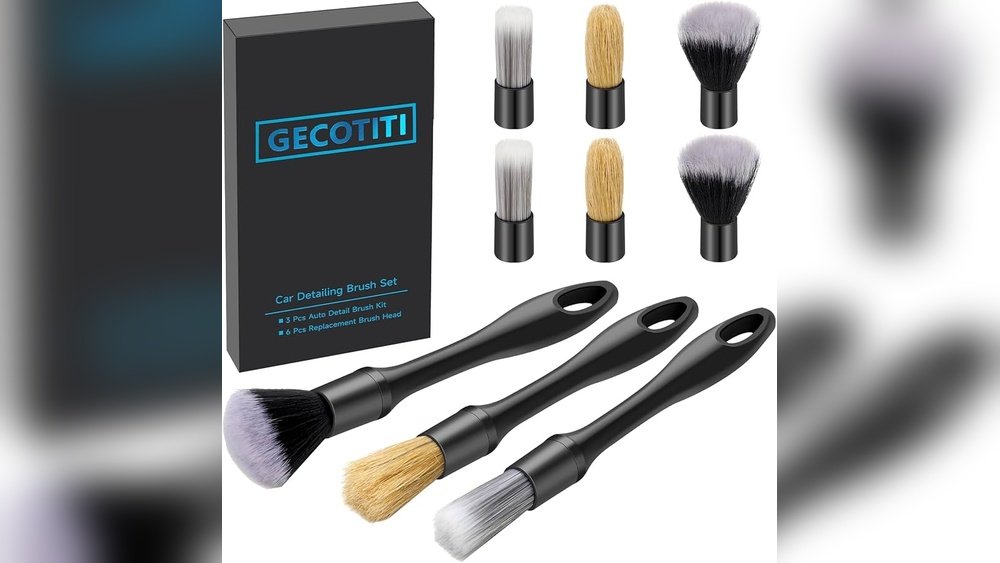
You rely on your car detailing brushes to keep your vehicle looking spotless, but how do you know when it’s time to replace them? Using worn-out brushes can scratch surfaces, miss dirt, or even damage delicate areas.
If you want to protect your investment and maintain that showroom shine, it’s crucial to spot the signs early. You’ll discover exactly when to swap out your detailing brushes, how to spot wear and tear, and simple tips to extend their life.
Keep reading to make sure your brushes are always working their best for your car.
Signs Of Worn Bristles
Car detailing brushes play a key role in keeping your vehicle spotless. Over time, the bristles wear out and lose their effectiveness. Recognizing worn bristles helps maintain cleaning quality and protects your car’s surfaces. Pay close attention to the condition of the bristles. This section explains the main signs that show it’s time to replace your car detailing brushes.
Bent Or Broken Bristles
Bent bristles lose their shape and cannot clean properly. Broken bristles leave behind debris and scratches. Brushes with bent or broken bristles reduce cleaning power. They can also damage delicate areas like vents and seams. Inspect the brush regularly and spot any bent or snapped bristles.
Loss Of Bristle Density
Brushes start with many bristles close together. Over time, some bristles fall out or wear down. This results in fewer bristles per inch, called loss of density. A brush with low density cleans less surface area. It also misses dirt trapped in hard spots. Brushes losing bristle density need replacing for better results.
Fraying And Splitting
Fraying happens when bristles split at the tips. Split bristles look fuzzy and uneven. They cannot reach tight spaces or lift dirt well. Frayed brushes drag on the surface and cause scratches. Splitting weakens the brush and shortens its life. Replace brushes showing clear fraying or splitting signs.

Credit: www.ilcs.org
Impact Of Product Buildup
Product buildup on car detailing brushes affects their performance and lifespan. Dirt, wax, and cleaning agents stick to the bristles over time. This residue changes the brush’s texture and usability. Knowing how buildup impacts brushes helps decide when to replace them.
Stiff Bristles Due To Residue
Residue makes bristles stiff and less flexible. Stiff bristles can scratch delicate surfaces instead of cleaning them. This stiffness lowers the brush’s ability to reach tight spots. Brushes should feel soft and pliable for the best results.
Difficulty In Cleaning Brushes
Buildup can make brushes hard to clean completely. Residue clings deep inside the bristle base. Rinsing under water may not remove all dirt and product. Over time, this trapped grime can cause bacteria to grow. Thorough cleaning becomes more challenging with heavy buildup.
Reduced Effectiveness
Brushes with product buildup lose their cleaning power. Dirt and wax layers block the bristles from working properly. This reduces the brush’s ability to lift dirt from surfaces. Using a worn brush can leave your car less clean than expected.
Brush Age And Usage
Understanding the age and usage of your car detailing brushes helps maintain their effectiveness. Brushes wear out with time and use. This affects their ability to clean thoroughly and safely. Regularly checking their condition prevents damage to your car’s surfaces.
Typical Lifespan Of Detailing Brushes
Most detailing brushes last about six months to a year. The exact lifespan depends on the quality and materials used. Soft bristles tend to wear faster than synthetic ones. Proper care can extend their life. Old brushes lose bristle stiffness and shape, reducing cleaning power.
Frequency Of Use And Wear
Frequent use speeds up brush wear. Daily or weekly use causes bristles to break or bend. Brushes used only occasionally last longer. Dirt and debris trapped in bristles cause damage over time. Cleaning brushes after each use helps reduce wear. Watch for frayed or missing bristles as signs of wear.
Replacing Brushes After Long-term Use
Replace brushes if bristles are bent, broken, or thin. Brushes older than a year often need replacing. Stiff or rough bristles can scratch paint surfaces. Build-up of dirt inside the brush can harm finishes. New brushes improve cleaning results and protect your car’s finish.
Credit: www.walmart.com
Performance Issues
Performance issues often signal that car detailing brushes need replacement. Over time, brushes lose their effectiveness. This affects the quality of your car cleaning. Watch for signs that the brush no longer works well. These signs help you know when to get a new brush.
Increased Static Or Frizz
Old or worn brushes can cause static electricity. This makes the bristles stand up and feel rough. Static can attract dust and dirt to the brush. It also makes cleaning less smooth. A brush with too much static can scratch your car’s surface. Replace the brush if you notice more static or frizz.
More Tangles During Use
Brush bristles that tangle often show wear or damage. Tangling makes it hard to clean properly. The bristles may bend or stick together. This reduces the brush’s ability to reach tight spots. Frequent tangling slows down your detailing work. Consider replacing the brush if tangles happen more often.
Inefficiency In Dirt Removal
Worn brushes lose their grip on dirt and grime. They leave spots dirty or only partly clean. The brush may push dirt around instead of picking it up. This means more time and effort to get a clean surface. If dirt stays after brushing, it’s time to replace the brush. A new brush improves cleaning results and saves time.
Maintaining Brushes For Longevity
Maintaining car detailing brushes properly helps extend their life and keeps them effective. Regular care prevents damage and buildup that wears out bristles. Clean brushes last longer and deliver better results. Follow simple steps after each use to protect your investment.
Proper Cleaning Techniques
Rinse brushes under warm water immediately after use. Remove dirt and grime stuck between bristles. Gently use fingers to separate bristles while rinsing. Avoid harsh scrubbing that can bend or break bristles. Clean until water runs clear and no debris remains.
Using Mild Soaps And Brush Cleaners
Choose mild soaps or special brush cleaners for washing. Harsh chemicals can damage bristles and handle. Apply soap gently and create light foam. Rinse thoroughly to remove all soap traces. Mild cleaners keep brushes soft and effective longer.
Drying And Storage Tips
Shake off excess water after rinsing. Pat brushes dry with a clean towel. Air dry brushes with bristles facing down or sideways. Avoid direct sunlight or heat sources that weaken bristles. Store brushes in a dry place away from dust and moisture.
Choosing The Right Brush
Choosing the right car detailing brush is key for effective cleaning. The brush must suit the task and the car surface. Picking the right brush saves time and protects your vehicle. It helps prevent scratches and ensures thorough dirt removal. Understanding different brush types and uses guides you to the best choice.
Brush Types For Different Detailing Needs
Detailing brushes come in many forms. Soft-bristle brushes work well for delicate areas like dashboards. Stiffer brushes suit tires and floor mats. Foam brushes help apply polish or wax evenly. Small brushes reach tight spaces such as vents and seams. Selecting the right type improves cleaning results.
Matching Brush To Surface Type
Car surfaces vary and require special care. Use soft brushes on paint and glass to avoid scratches. Hard surfaces like wheels and engine parts need tougher bristles. Upholstery and carpets need gentle brushing to avoid damage. Choosing the correct brush keeps surfaces safe and clean.
Signs You Need A Different Brush
If the brush bristles are bent or worn, replace it. A brush that leaves scratches or misses dirt is not right. Using the wrong brush may cause damage or poor cleaning. Changing brushes when needed maintains high-quality detailing results. Always check brush condition before use.

Credit: maxshineusa.com
Frequently Asked Questions
How Long Do Car Detailing Brushes Last?
Car detailing brushes typically last 3 to 6 months with regular use and proper cleaning. Replace them when bristles wear, bend, or buildup persists.
How Do You Know When To Replace Brushes?
Replace brushes when bristles wear, bend, or break, or buildup won’t clean off. Also, change them if performance declines or after heavy use.
How Do I Know If The Carbon Brushes Need Replacing?
Check carbon brushes if the motor sputters or loses power. Inspect brushes; replace if shorter than 1/4 inch or visibly worn.
How To Maintain Detailing Brushes?
Clean detailing brushes after each use with warm water and mild soap. Remove debris from bristles and base. Rinse until water runs clear. Store brushes dry and avoid harsh chemicals. Regular cleaning extends brush life and ensures effective detailing.
Conclusion
Worn or damaged brushes can harm your car’s surface. Replace brushes when bristles fray, bend, or shed. Thick buildup that won’t wash away signals replacement time. Old brushes lose effectiveness and may scratch paint. Regularly inspect brushes to keep detailing results perfect.
Clean brushes after each use to extend their life. Using the right brush prevents damage and saves money. Remember, well-maintained brushes protect your car’s finish best. Don’t wait too long—changing brushes keeps your car looking new.














