
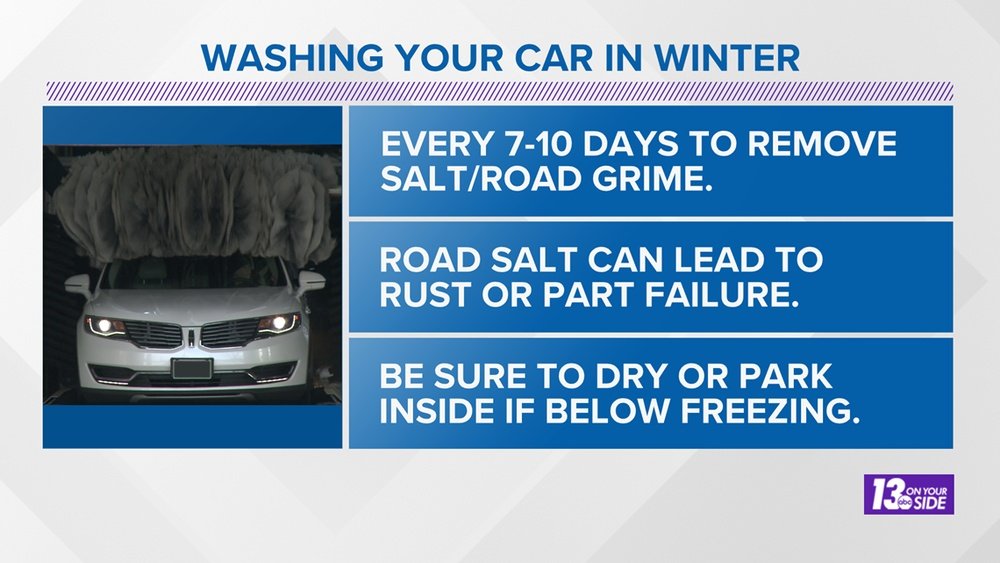
You might think washing your car in winter is pointless or even risky. After all, who wants to deal with freezing temperatures and icy water?
But here’s the truth: skipping winter car washes can actually harm your vehicle more than you realize. Salt, snow, and grime build up on your car’s surface and undercarriage, causing rust and long-term damage. If you want to keep your car looking great and running smoothly, washing it during the colder months isn’t just a good idea—it’s essential.
Keep reading to discover why winter car washes matter, how often you should do them, and the best ways to protect your car from winter’s toughest challenges. Your car will thank you for it.
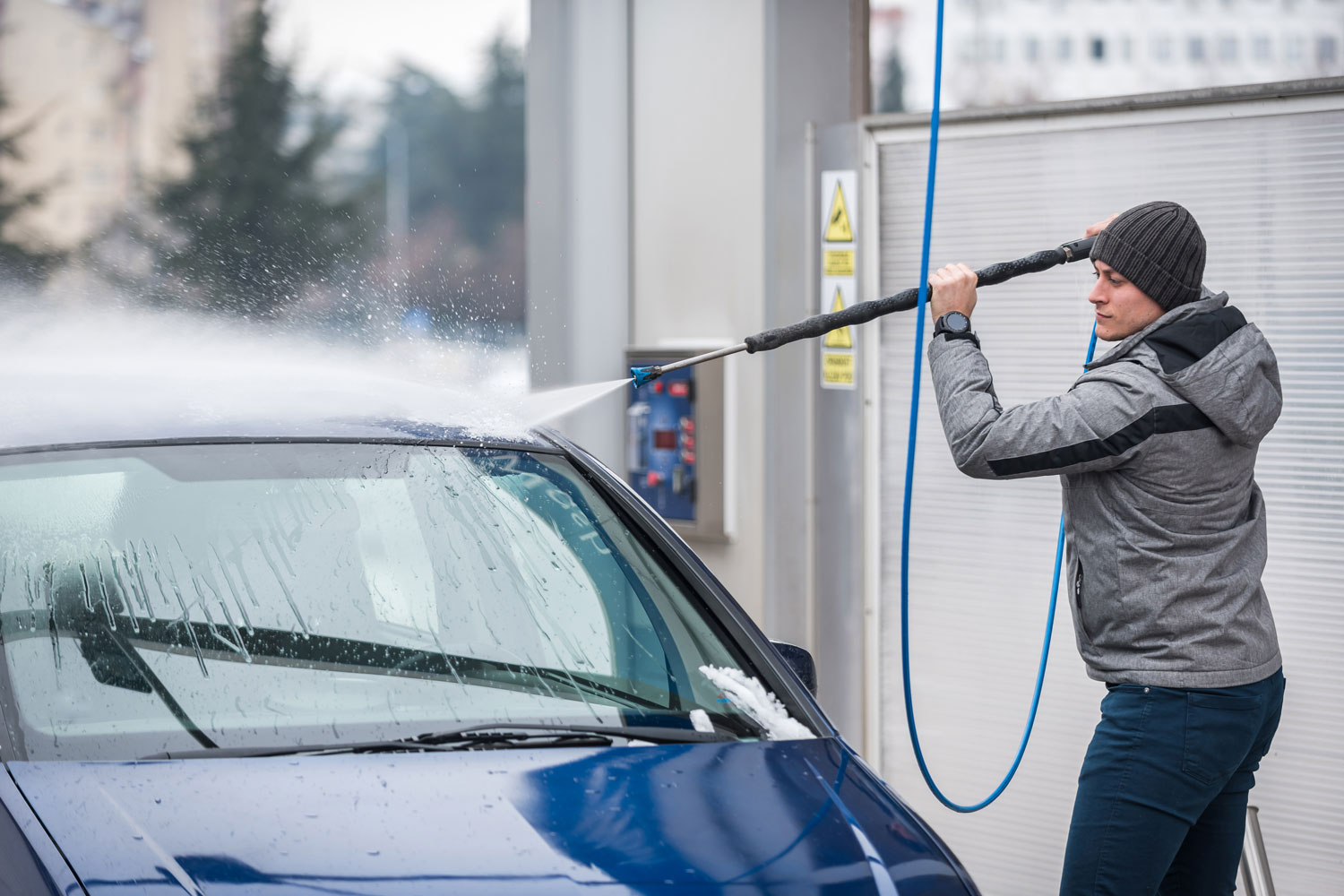
Credit: www.capitalone.com
Benefits Of Winter Car Washes
Winter car washes offer many important benefits. Cold weather, snow, and road salt can harm your vehicle. Regular cleaning protects your car and keeps it looking good. A winter wash helps avoid costly repairs and maintains safety. Here are the key benefits of washing your car in winter.
Preventing Rust And Corrosion
Salt and chemicals spread on roads cause rust quickly. They stick to your car’s metal parts and undercarriage. Washing removes these harmful substances before they eat through the metal. Rust weakens your car’s body and lowers its value. Cleaning often in winter prevents rust from forming and spreading.
Maintaining Paint Quality
Road grime and salt damage your car’s paint. They cause fading, chipping, and dullness. Washing your car keeps the paint clean and protected. It stops dirt from scratching the surface. A clean car looks newer longer and saves money on repainting later.
Improving Visibility And Safety
Dirty windows and mirrors reduce visibility on winter roads. Salt and mud block your view and reflect light poorly. Washing clears your glass surfaces and headlights. Clean lights shine brighter and help you see better. This improves safety for you and other drivers.
When To Wash Your Car In Winter
Knowing the right times to wash your car in winter helps protect its finish and body. Cold weather and road salt can damage your vehicle quickly. Washing at proper intervals stops corrosion and keeps your car looking good. Timing matters to avoid damage from freezing water or salt buildup.
After Snowstorms And Salt Exposure
Wash your car soon after heavy snow or ice storms. Road salt and sand stick to the paint and undercarriage. Salt causes rust and eats away at metal parts. Cleaning off salt quickly protects the body and paint. If you drive on salted roads, rinse off salt as soon as possible.
Regular Washing Intervals
Wash your car every two weeks in winter. More frequent washing may be needed if you drive in deep snow or slush. Regular cleaning removes grime and salt that collect over time. This routine keeps your car safe from rust and corrosion all season. Don’t wait until dirt builds up too much.
Avoiding Extreme Cold Conditions
Do not wash your car when temperatures drop below freezing. Water can freeze on the car and cause damage. Frozen door locks, mirrors, and paint chips become common problems. Use a heated garage or wait for warmer days to wash. This keeps your car safe and prevents ice buildup after washing.
Best Places To Wash Your Car
Choosing the right place to wash your car in winter is important. Cold weather brings salt, dirt, and grime that can damage your vehicle. Finding the best washing spot protects your car and keeps it clean all season.
Touchless Car Washes
Touchless car washes use high-pressure water and soap. They clean without brushes that can scratch paint. This method is gentle and effective for winter grime. Salt and dirt get rinsed off quickly. It reduces the risk of paint damage during cold months.
Heated Wash Bays
Heated wash bays keep water warm while washing your car. Warm water helps dissolve salt and dirt better. It stops water from freezing on your car’s surface. These bays often have good drying systems too. Your car dries faster, avoiding ice spots or frozen water.
Using A Heated Garage
Washing your car in a heated garage is a great option. It provides a warm environment, preventing water from freezing. You can wash your car at your own pace. Heated garages protect you and your vehicle from harsh weather. Drying your car inside stops ice buildup on locks and doors.
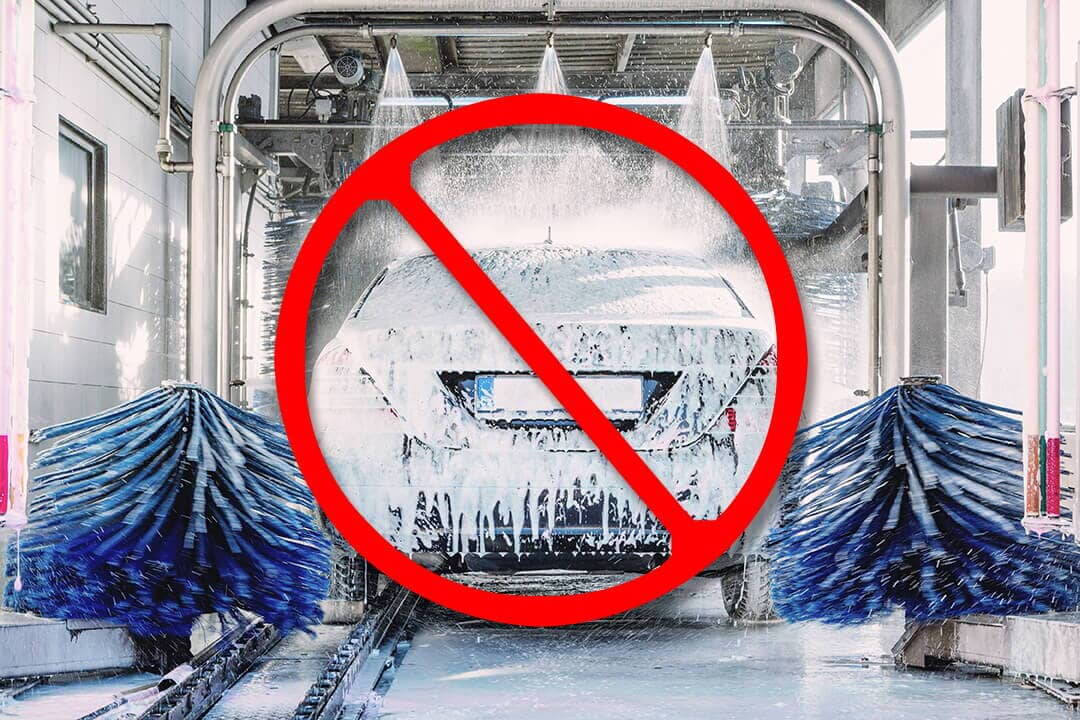
Credit: www.torquedetail.com
Effective Winter Washing Techniques
Washing your car in winter requires special care. Cold weather can make the process tricky. Using the right techniques protects your car from salt and grime. It also helps avoid damage caused by ice and freezing water. Follow these effective winter washing techniques to keep your car safe and clean all season.
Focusing On The Undercarriage
The undercarriage collects the most salt and dirt in winter. Salt causes rust and corrosion if left on the metal. Use a high-pressure hose or visit a car wash with an undercarriage spray. Make sure to clean all areas under the car, including wheel wells. This step protects vital parts like brakes and suspension from damage.
Thorough Drying Tips
Water left on your car can freeze and cause problems. Use a microfiber cloth to dry door jambs, locks, and mirrors. These spots are prone to freezing and sticking. If available, use an air dryer to remove water from hard-to-reach places. Drying prevents ice buildup and protects your car’s paint and components.
Warming Your Car Before Washing
Cold cars can freeze quickly during washing. Warm your car for a few minutes before starting. This helps melt any ice and prevents water from freezing on the surface. Avoid washing your car outside if the temperature is below freezing. Warm conditions reduce the risk of damage and make cleaning easier.
Common Winter Washing Mistakes
Washing your car in winter helps protect it from salt, dirt, and grime. Many people make simple mistakes that reduce the benefits of washing. Avoiding these errors keeps your car safe and clean all season. Here are some common winter washing mistakes to watch out for.
Washing In Freezing Temperatures
Washing your car when temperatures drop below freezing can cause problems. Water can freeze quickly on the surface, creating ice patches. This ice can damage the paint or locks. It can also make washing difficult and unsafe. Try to wash your car during the warmest part of the day.
Ignoring Door Jambs And Locks
Many people clean only the outside of the car. Door jambs and locks collect dirt and salt too. Ignoring these areas can lead to rust and freezing locks. Make sure to clean and dry door jambs and locks carefully after washing. This prevents damage and keeps doors working smoothly.
Using Brushes That Damage Paint
Some brushes are too harsh for winter car washing. Rough brushes can scratch or wear down the paint. Salt and dirt stuck in brushes worsen the problem. Use soft cloths or sponges instead. Gentle tools protect your car’s paint while removing grime effectively.

Credit: www.readersdigest.ca
Additional Winter Car Care Tips
Winter car care goes beyond just washing your vehicle. Extra care helps protect your car from harsh weather. These tips keep your car clean and safe during cold months.
Following simple methods improves your car wash results. It also reduces the risk of damage caused by ice and salt. Here are some useful practices for winter car care.
Rinsing And Drying In Stages
Rinse your car in small sections instead of all at once. This prevents water from freezing on cold surfaces. Dry each section fully before moving to the next. This method avoids ice buildup and keeps your car safe.
Using Microfiber Towels
Microfiber towels absorb water better than regular cloths. They help dry your car quickly and gently. Using these towels prevents scratches on the paint. Always carry clean microfiber towels during winter washes.
Timing Your Wash For Warmest Part Of Day
Wash your car during the warmest part of the day. This reduces the chance of water freezing on the surface. Midday is usually best because temperatures rise slightly. Quick drying protects your car from ice damage.
Frequently Asked Questions
Is It Important To Wash A Car In Winter?
Washing your car in winter removes salt and grime that cause rust and damage. Wash every two weeks or after salt exposure. Use touchless, heated washes when possible. Dry thoroughly to prevent freezing. Avoid washing in extreme cold to protect your car’s surfaces and components.
What Temperature Should You Avoid Washing Your Car?
Avoid washing your car below 32°F (0°C). Water can freeze, causing ice buildup and damage to locks, seals, and mirrors.
Is 32 Degrees Too Cold For A Car Wash?
32 degrees Fahrenheit is borderline for a car wash. Use heated bays or touchless washes to prevent freezing and damage. Dry the car thoroughly to avoid ice buildup on locks and seals. Avoid washing outside if temperatures drop below freezing during or after the wash.
Why Do Cars Get Dirty In The Winter?
Cars get dirty in winter due to road salt, snow, slush, and mud. These elements stick to surfaces, causing grime buildup and rust risk.
Conclusion
Washing your car in winter helps protect it from salt and grime. Salt can cause rust and damage the paint quickly. Regular washes keep your car looking clean and safe. Focus on the undercarriage to remove harmful buildup. Dry your car well to stop freezing in locks and doors.
Use touchless or heated washes when possible for best results. Clean cars last longer and stay in better shape. Don’t skip winter washes; they save you money and stress later. Keep your car clean this winter for smooth, safe driving.














