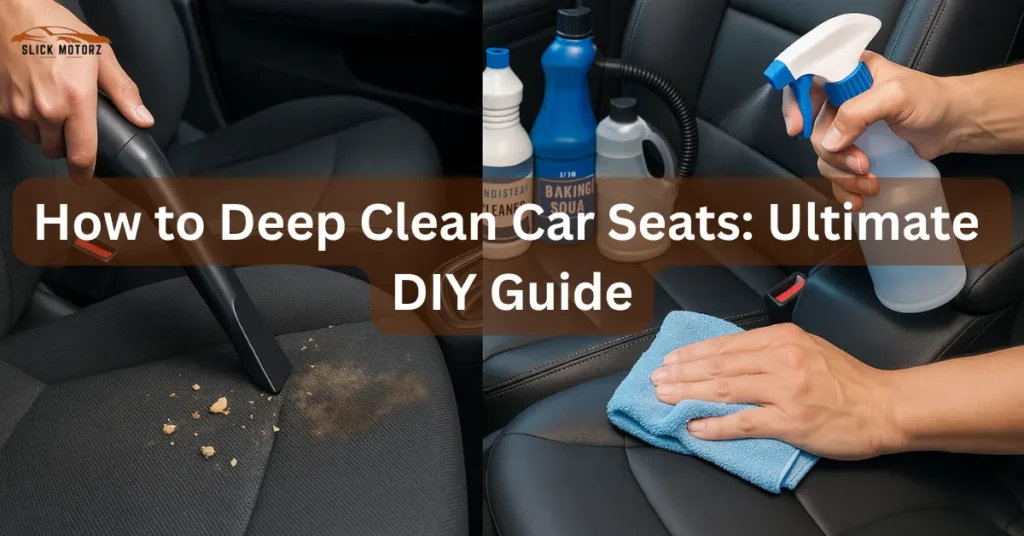
Winter can be tough on cars, especially those with leather seats. Cold weather, dry air, and snow can turn soft leather into a hard, cracked surface. If you want your car’s leather seats to stay smooth, comfortable, and stylish, you need to give them special care during winter. Many people think leather is strong and can handle anything, but in reality, winter is one of the harshest seasons for leather. This guide will show you how to protect, clean, and maintain your car’s leather seats from the first frost to the last snow.
Why Winter Is Hard On Leather Seats
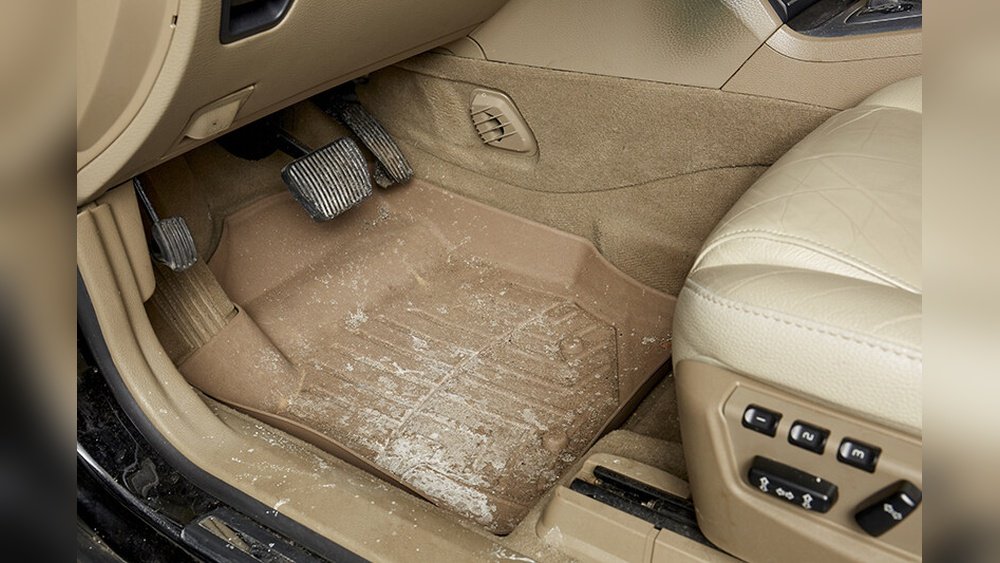
When temperatures drop, leather loses moisture and becomes dry. Cold air pulls water out of the leather, making it stiff and less flexible. Salt and snow from boots can also get on the seats, causing stains and damage. If you don’t take action, your seats could crack, fade, or even tear.
Many drivers don’t realize that UV rays can still harm leather in winter. Sunlight reflects off snow and ice, hitting your car’s interior more than in other seasons. This means the leather can fade even when it’s cold outside.
Understanding Car Leather Types
Not all car leathers are the same. Some need more care than others. Here are the main types:
| Leather Type | Characteristics | Care Level |
|---|---|---|
| Full-Grain | Natural, durable, shows marks | High |
| Top-Grain | Sanded, smooth, fewer marks | Medium |
| Corrected-Grain | Coated, less natural, more resistant | Low |
| Bonded | Made from leather scraps, less durable | Medium |
Full-grain leather is more sensitive to dryness and needs regular conditioning. Corrected-grain leather is often used in family cars because it’s more forgiving. Knowing your leather type helps you pick the right products and methods for winter care.
Essential Winter Leather Seat Care Steps
Caring for leather seats in winter is not just about cleaning. You need a routine that protects, nourishes, and maintains your seats against cold, moisture, and salt. Here’s what you should do:
1. Regular Cleaning
Dust and dirt can scratch leather. In winter, salt from roads and sidewalks often ends up on your seats. Clean them weekly or bi-weekly.
- Use a soft vacuum attachment to remove loose dirt.
- Wipe seats with a damp microfiber cloth.
- For tough stains, use a pH-balanced leather cleaner.
2. Conditioning
Leather needs moisture to stay soft. Cold air dries it out. Conditioning helps restore lost oils.
- Choose a water-based conditioner for best results.
- Apply conditioner every 4-6 weeks during winter.
- Let seats absorb conditioner for at least 30 minutes before wiping off excess.
3. Protecting From Salt And Snow
Salt is one of the biggest threats in winter. It can leave white stains and weaken leather.
- Keep seat covers handy for snowy days.
- Wipe seats immediately if you see salt residue.
- Don’t let wet clothes or boots touch the leather.
4. Uv Protection
Winter sun can fade leather. Use a UV protectant spray after cleaning and conditioning.
- Apply UV spray once a month.
- Park in the shade or use windshield sun protectors.
5. Preventing Cracks
Leather cracks when it’s dry and cold. Simple steps can help:
- Warm up your car before sitting on cold leather.
- Avoid sharp objects and rough clothing.
- Don’t let pets sit directly on seats.
Choosing The Right Leather Care Products
Many products claim to protect leather, but not all are good for winter. Let’s compare some common options:
| Product | Winter Benefits | Drawbacks |
|---|---|---|
| Leather Conditioner | Restores moisture, prevents cracks | Can leave residue if overused |
| Leather Cleaner | Removes salt, dirt, stains | Must be pH-balanced, harsh cleaners damage leather |
| UV Protectant | Blocks sunlight, prevents fading | Needs regular reapplication |
| Seat Covers | Shields from snow, salt, wet clothes | Can hide leather, may shift during use |
| Microfiber Cloth | Gentle, avoids scratching | Needs frequent washing to prevent dirt buildup |
Look for products that are specifically made for automotive leather. Household cleaners and conditioners can cause more harm than good.

Credit: www.autofinesse.com
Step-by-step Winter Leather Seat Care Routine
Here’s a practical routine to keep your car’s leather seats in top shape throughout the winter:
Step 1: Remove Loose Dirt
Start by vacuuming your seats with a soft brush attachment. Pay attention to seams and corners, where dirt collects.
Step 2: Clean With Proper Solution
Mix a few drops of pH-balanced leather cleaner in water. Dip a microfiber cloth, wring out excess water, and wipe the seats gently. For salt stains, press the cloth for a few seconds before wiping.
Step 3: Dry The Seats
Use a dry microfiber cloth to remove any moisture. Don’t let water sit on the leather, as it can cause spots.
Step 4: Apply Conditioner
Put a small amount of conditioner on a clean cloth and rub it into the leather. Cover all surfaces, including headrests and seat backs. Let the conditioner sit for 30 minutes, then wipe off any extra.
Step 5: Add Uv Protection
Spray a light coat of UV protectant and let it dry. This helps prevent fading from winter sunlight.
Step 6: Check For Cracks And Damage
Look for any signs of cracks or wear. If you see damage, apply extra conditioner or consult a professional.
Step 7: Use Seat Covers When Needed
If you expect snow, salt, or wet clothes, cover your seats. Remove covers when they are dry to let the leather breathe.
Common Winter Leather Seat Problems And Solutions
Even with the best care, problems can happen. Here are some of the most frequent issues and how to fix them:
Salt Stains
Salt leaves white marks that look bad and can weaken leather. Clean these right away with a damp cloth and mild cleaner.
Dryness And Cracking
If you notice stiffness or small cracks, use more conditioner. Avoid sitting on cold seats until they warm up.
Fading
Leather can lose color due to winter sun. Apply UV protectant often and park in the shade.
Mold And Mildew
Wet clothes can cause mold. Dry seats immediately if they get wet. Use a leather-safe anti-mildew spray if needed.
Stiffness
Leather feels hard in cold weather. Conditioning and gentle warming (via car heater) can help restore softness.

Credit: www.landroverannapolis.com
Tips For Preventing Winter Damage
Protecting leather seats is easier than fixing them. Here are some ways to avoid winter problems:
- Avoid direct contact with snow or ice. Always brush off clothes before sitting.
- Keep windows closed. Moisture from snow and rain can enter and harm leather.
- Don’t use hot air dryers. Slow, gentle warming is best.
- Check seats often. Early detection of stains or cracks makes fixing easier.
- Rotate seat covers. This lets leather breathe and avoids moisture buildup.
- Use quality products. Cheap cleaners and conditioners can cause more harm.
How Heating Systems Affect Leather Seats
Modern cars often have heated seats. While these are comfortable, they can also dry out leather faster. Here’s what you need to know:
- Heated seats evaporate natural oils in leather.
- Continuous heating can make seats brittle over time.
- Use conditioner more often if you use heated seats daily.
- Never turn the heat up to the maximum for long periods.
A study by the Automotive Leather Association found that seats in cars with heating systems lose moisture 30% faster in winter. This means you need to adjust your care routine to keep leather healthy.
Credit: www.leatherrepaircompany.com
Diy Vs Professional Leather Seat Care
Many people ask if they should clean and condition their leather seats themselves or hire a professional. Let’s compare:
| Care Method | Advantages | Disadvantages |
|---|---|---|
| DIY Care | Cost-effective, flexible schedule, personal control | Risk of wrong products, may miss hidden damage |
| Professional Care | Expert inspection, advanced products, thorough cleaning | Higher cost, less frequent, requires appointment |
For most drivers, a regular DIY routine works well. If you notice deep cracks, fading, or stubborn stains, a professional service can save your seats.
Non-obvious Insights For Winter Leather Care
Many guides focus on cleaning and conditioning, but there are some less-known tips that make a big difference:
- Humidity matters: Keeping your car’s humidity balanced (between 40% and 60%) helps leather stay soft. Use a small car humidifier if your area is very dry.
- Don’t forget seat edges: Most cracks start at the edges or seams. Clean and condition these areas carefully.
- Leather breathes: Leather needs air. Don’t cover seats all winter—remove covers often to let the leather breathe.
What To Avoid When Caring For Leather Seats In Winter
It’s easy to make mistakes when trying to protect your seats. Here are some things you should never do:
- Don’t use harsh chemicals: Bleach, ammonia, and alcohol-based cleaners ruin leather.
- Avoid too much water: Excess moisture can cause mold and stains.
- Don’t scrub hard: Rubbing too strongly scratches and weakens leather.
- Never use kitchen oils: Olive oil and similar products attract dirt and cause sticky buildup.
How To Treat Old Or Damaged Leather Seats
If your seats are already showing signs of age or winter damage, you can still improve them. Here’s how:
- Clean the seats gently, focusing on cracks.
- Use a restorative leather conditioner—these contain more oils and fillers.
- Apply conditioner several times, letting each layer dry fully.
- For serious damage, consult a leather repair specialist.
Older leather is more sensitive, so be gentle and patient. Restoration can take weeks, but results are worth it.
Winter Leather Seat Care Myths
Many people believe things about leather seat care that are not true. Let’s clear up some common myths:
- “Leather doesn’t need special care in winter.” In fact, winter is the hardest season for leather.
- “Any cleaner works on leather.” Only use cleaners made for automotive leather.
- “Cracked leather can’t be fixed.” Early cracks can be repaired with conditioner and care.
- “Seat covers protect seats perfectly.” Covers help, but moisture and salt can still reach leather.
- “Heated seats help leather stay soft.” Heating dries out leather—conditioning is needed.
How To Store Your Car With Leather Seats During Winter
If you don’t drive your car often in winter, storage becomes important. Here’s what to do:
- Clean and condition seats before storing.
- Use breathable seat covers—not plastic.
- Crack windows slightly to allow air flow.
- Check seats monthly for signs of dryness or mold.
Stored cars can suffer from dryness and lack of air. Proper preparation prevents problems.
Example: Real-world Case Study
A driver in Michigan noticed his full-grain leather seats started cracking each winter. He followed a routine of cleaning and conditioning but still saw damage. After adding a small humidifier to his car and focusing on cleaning seat edges, the cracks stopped. This case shows that humidity and careful attention to seams can make a big difference.
Cost Of Winter Leather Seat Care
You don’t have to spend a lot to keep your seats healthy. Here’s a typical cost breakdown:
- Quality leather cleaner: $15–$25
- Conditioner: $20–$30
- UV protectant: $10–$18
- Microfiber cloths: $10–$15
- Seat covers: $25–$50
Total cost for one winter: $75–$130. Professional cleaning costs $100–$200 per session.
Top Leather Care Brands For Winter
Some brands are trusted by car owners and professionals:
- Lexol: Known for gentle, effective conditioners.
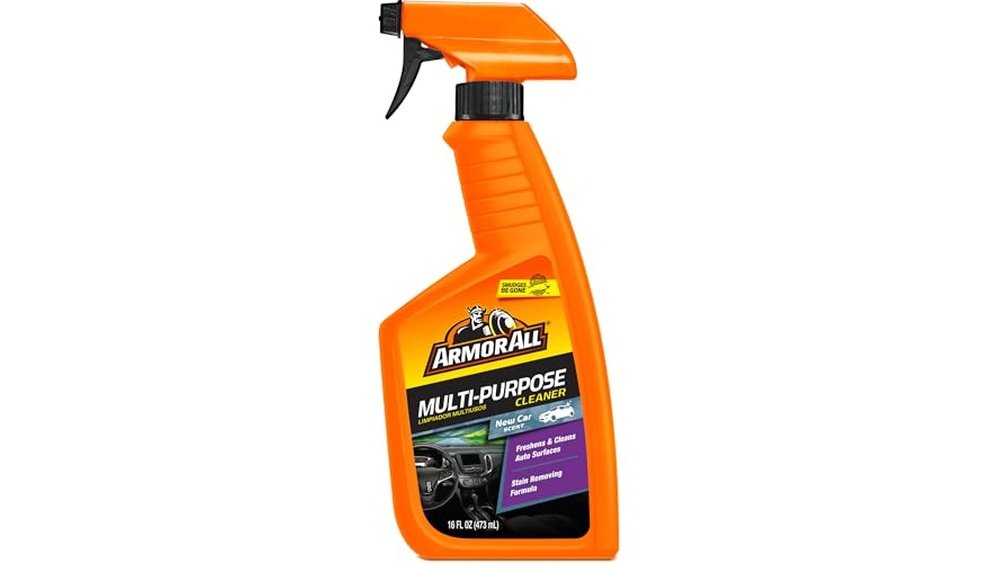
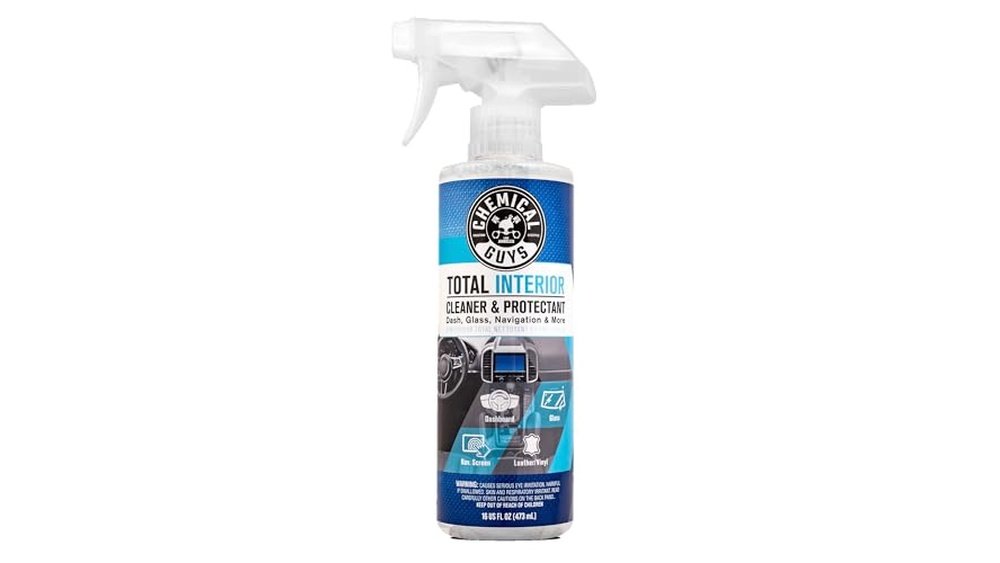
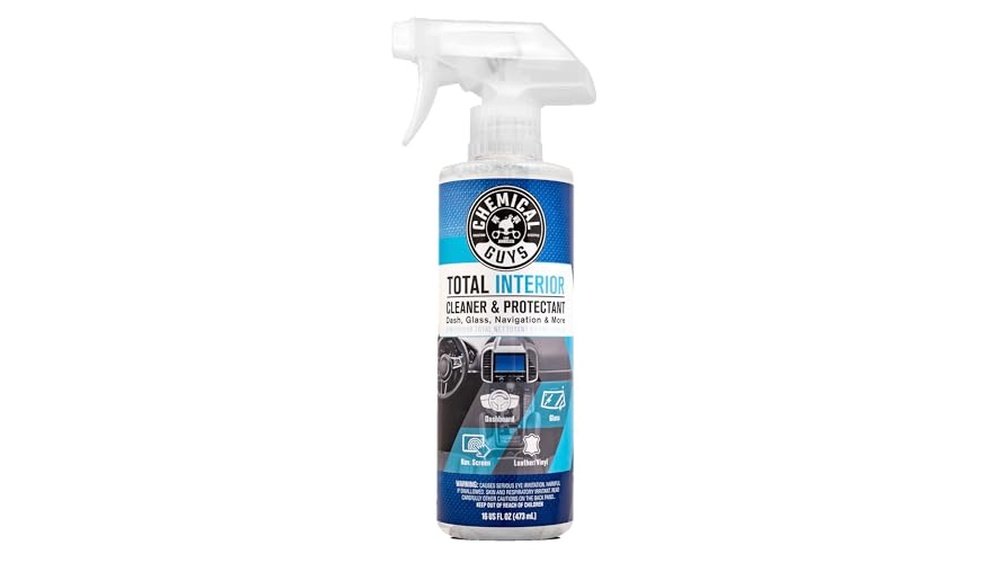
- Chemical Guys: Popular for balanced cleaners and protectants.
- Meguiar’s: Offers full kits for leather care.
- Leather Honey: Great for deep conditioning.
Choose brands with positive reviews and products made for automotive leather.
Eco-friendly Winter Leather Seat Care
If you want to avoid chemicals, there are eco-friendly options:
- Use water-based conditioners with plant oils.
- Microfiber cloths are reusable and washable.
- Avoid aerosol sprays—they contain harmful propellants.
- Look for biodegradable cleaners.
Eco-friendly care is safer for you and your car’s interior.
Frequently Asked Questions
How Often Should I Condition My Car’s Leather Seats In Winter?
Condition your seats every 4–6 weeks during winter. If your area is very cold or dry, do it every 3 weeks. Regular conditioning keeps leather soft and prevents cracks.
Can I Use Homemade Cleaners For Leather Seats?
It’s best not to use homemade cleaners. Many recipes include vinegar or oils, which can harm leather. Always use products made for automotive leather for safety.
What Should I Do If My Seats Get Wet From Snow?
Dry the seats immediately with a clean cloth. If water soaks in, use a car heater to warm the seats gently. Avoid using hair dryers or heaters directly, as they can dry out and crack the leather.
Are Seat Heaters Bad For Leather Seats?
Seat heaters can dry out leather faster. If you use seat heaters often, apply conditioner more regularly and avoid setting the heat too high.
Where Can I Find Official Advice About Leather Care?
You can find reliable information from car manufacturers and leather associations. For example, the International Leather Council offers useful tips and research about leather care.
Taking care of your car’s leather seats during winter is easier than it seems. With the right routine, products, and attention to detail, you’ll keep your seats looking beautiful and lasting longer. Winter is tough on leather, but simple steps can protect your investment and keep your car comfortable all season.