If you’re thinking about car detailing in Hawaii, it’s important to know the laws that affect how you can clean and maintain your vehicle. You might wonder, “Can I wash my car on the street?
Are there restrictions on water use or pollution? ” Or maybe you’re considering starting a mobile detailing business and want to make sure you follow all the legal steps. Understanding Hawaii’s car detailing laws isn’t just about staying out of trouble—it’s about protecting the environment and keeping your car in top shape the right way.
Keep reading to find out exactly what you need to know before you grab that sponge or launch your detailing service in the Aloha State.
Credit: m.yelp.com
Car Washing Restrictions
Car washing in Hawaii follows specific rules to protect the environment and conserve water. These restrictions help reduce pollution and control water use. Understanding these guidelines is important for anyone detailing cars in the islands.
Residential Street Guidelines
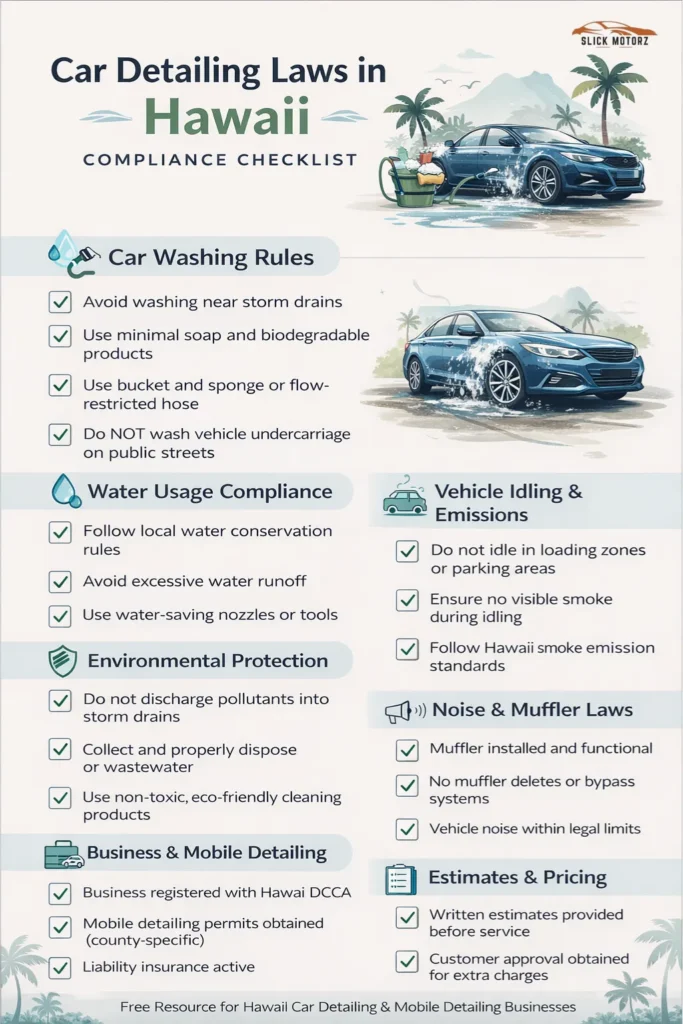
Washing cars on residential streets is allowed, but with limits. Use soap sparingly to avoid harmful runoff. Avoid washing near storm drains to protect waterways. Use a bucket and sponge or a hose with a flow restriction to save water.
Water Usage Limits
Hawaii sets limits on water use during car washing. Avoid using excessive water that wastes this precious resource. Use water-saving tools and techniques to comply with local laws. These limits help preserve Hawaii’s natural beauty and water supply.
Undercarriage Washing Rules
Washing the undercarriage of vehicles is generally prohibited on city streets. This prevents harmful chemicals from entering the environment. Use professional car wash facilities that treat wastewater properly. Following these rules keeps Hawaii’s land and water clean.
Credit: kepler-dealer.com
Idle Vehicle Regulations
Hawaii has specific rules about how long a vehicle can idle. These idle vehicle regulations help reduce air pollution and protect public health. Drivers and car detailers must follow these rules carefully to avoid penalties. Understanding the regulations helps keep Hawaii’s air clean.
Prohibited Idling Locations
Vehicles cannot idle in certain places. This includes loading zones, parking areas, and route terminals. Idling is also banned in service areas and other off-street locations. These rules aim to lower harmful emissions in busy spots.
Permitted Exceptions
Some exceptions allow idling for a short time. For example, idling is allowed during engine repairs or adjustments. Vehicles can also idle when running auxiliary equipment like cranes. The key is that no visible smoke should come from the vehicle.
Smoke Emission Standards
Hawaii enforces strict smoke emission standards. Vehicles must not release visible smoke while idling. This rule reduces pollution and protects the environment. Drivers should maintain their vehicles to meet these standards.
Noise And Muffler Laws
In Hawaii, noise from vehicles can disturb the peaceful island environment. The state enforces strict rules to control vehicle noise. These laws protect residents and visitors from loud, disruptive sounds. Understanding these rules helps drivers avoid fines and keep their vehicles legal.
Muffler Delete Restrictions
Removing or altering a muffler is illegal in Hawaii. Mufflers reduce engine noise and pollution. Cars without mufflers are louder and may break noise rules. Police can stop and ticket drivers with muffler deletes. Repairing or replacing a muffler keeps vehicles within the law.
Noise Level Limits
Hawaii sets limits on how loud a vehicle can be. The maximum noise level depends on the type of vehicle. Law enforcement uses sound meters to check noise levels. Vehicles exceeding these limits risk fines or other penalties. Regular maintenance helps keep noise under control.
Environmental Compliance
Car detailing businesses in Hawaii must follow strict environmental rules. These rules protect the islands’ fragile ecosystems. Compliance reduces pollution and keeps water clean. Every detailer should understand and apply these laws.
Environmental compliance is not just a recommendation. It is a legal requirement. Detailing shops must manage their waste and water carefully. This helps prevent harmful substances from reaching the ocean and soil.
Pollutant Discharge Prohibitions
Hawaii bans the release of pollutants into the environment. Car washes cannot dump soaps, oils, or chemicals into storm drains. These drains lead directly to natural waters without treatment.
Detailers must use biodegradable and non-toxic products. All wastewater must be collected and treated properly. Illegal discharge results in fines and legal action.
Drainage And Sewer Guidelines
Wastewater from car detailing must flow into approved sewer systems. Shops should install proper drainage to capture all runoff. This prevents contaminants from entering storm drains or soil.
Local authorities require permits for wastewater disposal. Detailers must follow specific rules about water use and waste handling. Proper maintenance of drainage systems is essential to avoid leaks and spills.
Business Licensing
Starting a car detailing business in Hawaii requires proper licensing. This ensures your business operates legally and protects customers. Understanding the specific requirements helps you avoid penalties. Getting licensed also builds trust with clients and local authorities.
Mobile Detailing Licensing Requirements
Mobile car detailing businesses must register with the state of Hawaii. Obtain a general business license from the Department of Commerce and Consumer Affairs (DCCA). Check for any county-specific permits, especially in Honolulu. You may need a special permit if you use water on public streets. Follow all environmental rules to prevent fines.
Insurance Obligations
Car detailing businesses should carry liability insurance. This protects you from damage claims or accidents during service. Mobile detailers need coverage for their vehicle and tools. Insurance also helps gain customer confidence. Verify insurance requirements with local regulators before starting work.
Tax Registration
Register your business for state tax purposes with the Hawaii Department of Taxation. You must collect general excise tax (GET) on all services. File taxes regularly to stay compliant. Obtain a tax identification number and keep accurate records. Proper tax registration avoids penalties and supports business growth.
Auto Repair And Detailing Estimates
Auto repair and detailing estimates in Hawaii must follow clear rules. These rules protect customers and ensure fair pricing. Knowing these rules helps car owners avoid surprises. Repair shops must give accurate and clear estimates before starting work.
Estimates include details about the work and the total cost. This transparency builds trust between customers and service providers. Hawaii laws require specific steps to make sure estimates are reliable and understandable.
Written Estimate Requirements
In Hawaii, repair shops must provide a written estimate before work begins. This estimate must list all repairs and parts needed. The price for each item must be included. Customers should receive this estimate to review and approve.
If the cost changes, the shop must inform the customer. The customer must agree to any extra charges before the work continues. This rule prevents unexpected bills. Written estimates help customers make informed decisions.
Cost Disclosure Practices
Shops must clearly disclose all costs in the estimate. This includes labor, parts, and any additional fees. No hidden charges are allowed under Hawaii law. The estimate should be easy to understand and free of confusing terms.
Customers can compare estimates from different shops to find the best price. Shops that follow these practices build good reputations. Clear cost disclosure also protects customers from scams and unfair pricing.
Mobile Detailing Specific Rules
Mobile car detailing in Hawaii has unique rules that operators must follow. These rules protect the environment and ensure businesses run legally. Understanding these regulations helps mobile detailers avoid fines and operate smoothly. Below are key rules about permits and service areas.
Operational Permits
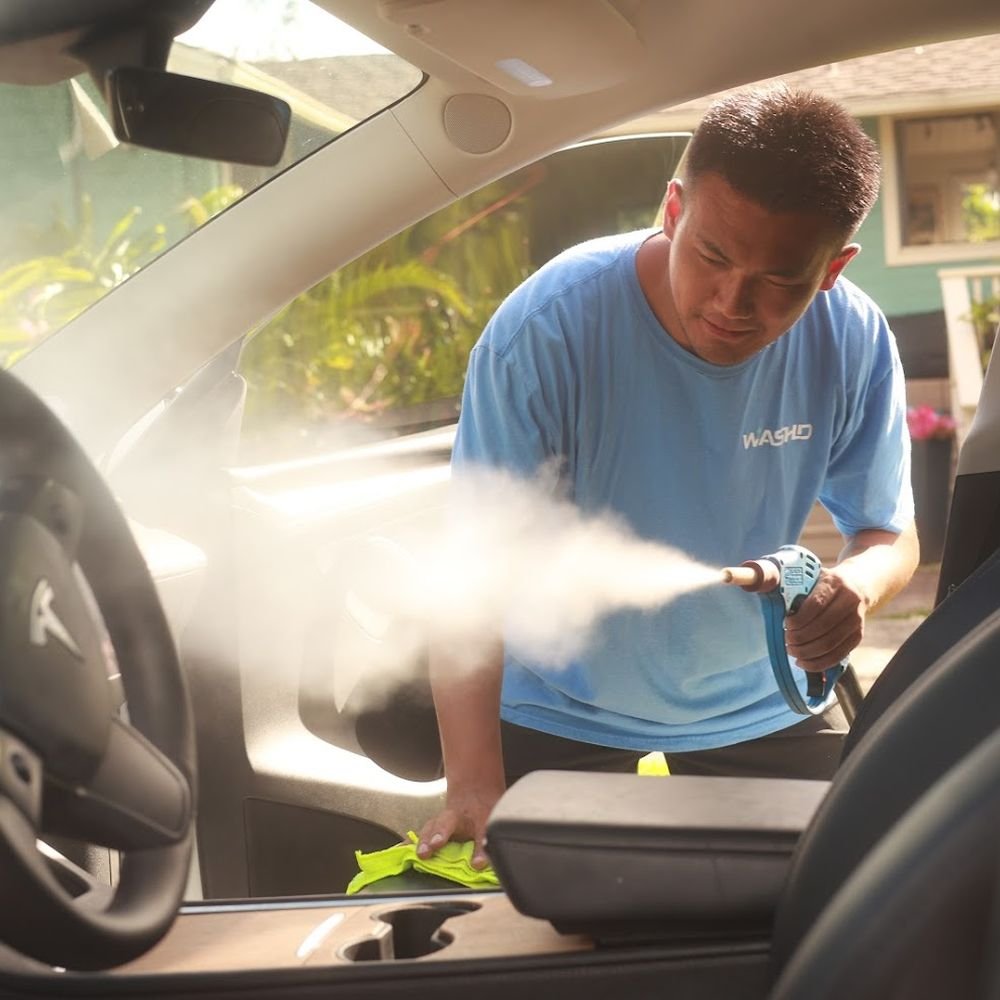
Mobile detailers need specific permits to operate in Hawaii. These permits prove the business meets state and local regulations. Operators must apply through local government offices before starting services. The permit process may include inspections and fees. Running a mobile detailing service without a permit can lead to fines or shutdowns.
Service Area Restrictions
Hawaii limits where mobile detailers can work. Some areas forbid mobile car washing to protect water quality. Operators must avoid washing cars near storm drains or sensitive zones. Local laws may restrict service in residential or commercial districts. Knowing these limits helps detailers choose legal locations for their work.
Credit: lovesautodetail.com
Pricing And Service Packages
Pricing and service packages for car detailing in Hawaii vary by provider and vehicle size. Many detailers offer clear rate structures to help customers choose the best option. Understanding standard rates and available packages ensures transparent costs and meets different budget needs.
Standard Detailing Rates
Car detailing prices in Hawaii generally depend on vehicle size and service type. Sedans often start around $400 for a full detail. Mid-size SUVs and trucks typically cost about $450. Larger full-size SUVs and trucks may be priced near $500. Extra-large vehicles, like vans or large trucks, can reach $550 or more. These rates usually cover exterior washing, interior vacuuming, and basic waxing.
Package Options
Detailers in Hawaii often provide multiple service packages tailored to specific needs. Basic packages focus on washing and vacuuming. Mid-level packages add polishing, waxing, and interior shampooing. Premium packages may include engine cleaning and paint protection. Some companies also offer add-ons like headlight restoration or odor removal. Choosing a package depends on how thorough you want the service to be and your budget.
Frequently Asked Questions
How Much Is Car Detailing In Hawaii?
Car detailing in Hawaii typically costs between $400 and $550, depending on vehicle size. Sedan services start at $400, while larger SUVs and trucks cost up to $550. Prices vary by provider and package details.
Can You Wash Your Car In Hawaii?
Yes, you can wash your car in Hawaii, but use minimal soap and water on residential streets. Avoid washing the undercarriage. Use a spray gun with flow restriction or a bucket and sponge to reduce runoff and conserve water. Follow local regulations to prevent pollution.
Is It Illegal To Idle Your Car In Hawaii?
Idling your car in Hawaii is illegal in loading zones, parking, or service areas. Exceptions include engine repair or auxiliary equipment use without visible smoke.
Are Muffler Deletes Legal In Hawaii?
Muffler deletes are illegal in Hawaii. State laws require vehicles to have proper mufflers to control noise and emissions.
Conclusion
Understanding car detailing laws in Hawaii helps protect the environment. Follow water use limits and avoid harsh chemicals. Respect idling rules to reduce pollution and fines. Always check local guidelines before detailing your vehicle. Stay informed and detail your car responsibly every time.
This keeps Hawaii’s roads clean and communities safe.