When it comes to car detailing, you might wonder if everyday household items can help you achieve that showroom shine. One surprising tool that often comes up is the toothbrush.
But can you really use a toothbrush for car detailing? If you’ve struggled to clean those tiny crevices, buttons, or seams where dirt loves to hide, this simple tool might be your secret weapon. You’ll discover how a toothbrush can make your car’s interior and exterior sparkle like new, plus tips to get the best results without causing damage.
Keep reading—your car’s next deep clean could be easier than you think!

Credit: www.walmart.com
Using A Toothbrush For Car Detailing
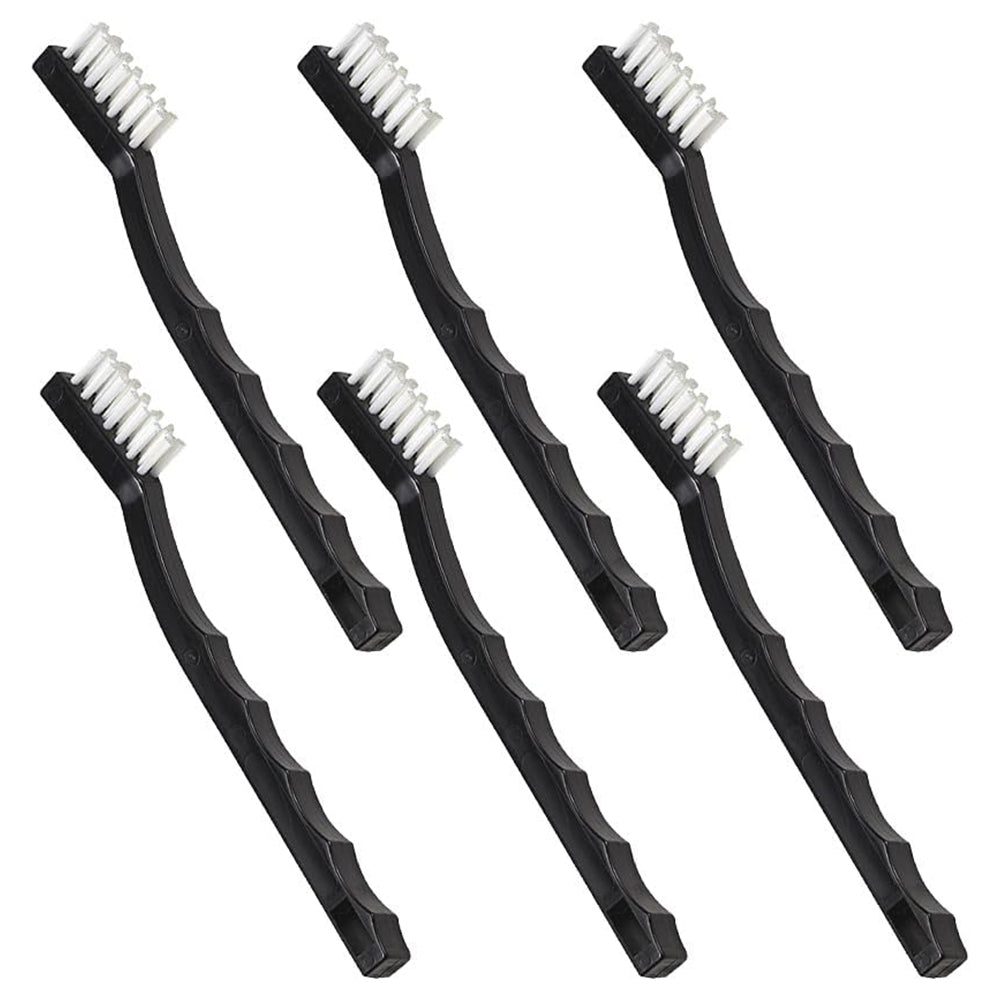
Using a toothbrush for car detailing is a smart and budget-friendly choice. The small size and firm bristles help reach tight spots. This tool can clean areas other brushes cannot. It works well on stubborn dirt and grime. Many car enthusiasts keep a toothbrush in their detailing kit.
Ideal Areas For Toothbrush Use
Toothbrushes work best in small and narrow spaces. They clean air vents, dashboard crevices, and door handles. Also useful for around buttons and seams. They reach between seat cushions and cup holders. Toothbrushes help remove dirt from textured surfaces. These areas often trap dust and grime.
Types Of Toothbrushes Suitable
Soft-bristled toothbrushes are gentle on surfaces. Medium bristles work well for tougher grime. Avoid hard-bristled brushes that may scratch paint or plastic. Electric toothbrushes offer extra scrubbing power. Use a dedicated toothbrush for car detailing only. Avoid using a toothbrush meant for personal hygiene.
Techniques For Effective Cleaning
Dip the toothbrush in soapy water for better cleaning. Use gentle circular motions on delicate areas. Scrub harder on tough stains or sticky spots. Rinse the brush often to remove dirt buildup. Dry the area with a microfiber cloth after scrubbing. Repeat the process for very dirty spots. Regular use keeps your car interior fresh and clean.
Benefits Of Toothbrush Detailing
Using a toothbrush for car detailing offers several clear benefits. This simple tool helps clean areas where larger brushes cannot reach. It also treats delicate surfaces with care. Plus, toothbrushes are inexpensive and easy to find. These advantages make toothbrush detailing a smart choice for many car owners.
Reaching Tight Spaces
Toothbrushes have small heads and soft bristles. They fit into tiny cracks and gaps easily. These spots often collect dust and dirt that other tools miss. The toothbrush’s size helps clean seams, buttons, vents, and crevices well. It removes grime in hard-to-access areas for a thorough clean.
Gentle On Delicate Surfaces
Toothbrush bristles are soft and non-abrasive. They clean without scratching paint, leather, or plastic. This gentle touch prevents damage on sensitive parts of the car. The brush loosens dirt without harming delicate trims or fabrics. It is ideal for careful cleaning of interior and exterior surfaces.
Cost-effective Tool
Toothbrushes are affordable and widely available. Many people already have unused ones at home. They do not require special purchases or expensive equipment. Using a toothbrush saves money while still providing good cleaning power. It is a budget-friendly option for detailed car care.
Limitations And Risks
Using a toothbrush for car detailing might seem smart at first. It fits well in tight spots and helps remove dirt. Still, this tool has limits and risks you must know. These can affect your car’s finish and your health. Understanding these issues keeps your car safe and clean.
Potential For Scratching
Toothbrush bristles can be stiff and rough. They might scratch delicate surfaces like paint or glass. Scratches can ruin your car’s look and lower its value. Using a softer brush made for cars is safer. Avoid hard scrubbing with a toothbrush on visible parts.
Bacteria And Hygiene Concerns
Toothbrushes often carry germs from mouths. These bacteria can transfer to your car’s interior. Your car might smell bad or become unhygienic. Always use a new or clean brush for car cleaning. Never reuse a toothbrush that cleaned teeth before.
Not Suitable For Large Surfaces
A toothbrush works well in small areas only. It takes too long to clean big parts like doors or seats. Using it on large surfaces wastes time and effort. Use proper car cleaning tools like microfiber cloths or sponges. They cover more space quickly and safely.
Credit: www.nanoskinusa.com
Recommended Brushes For Detailing
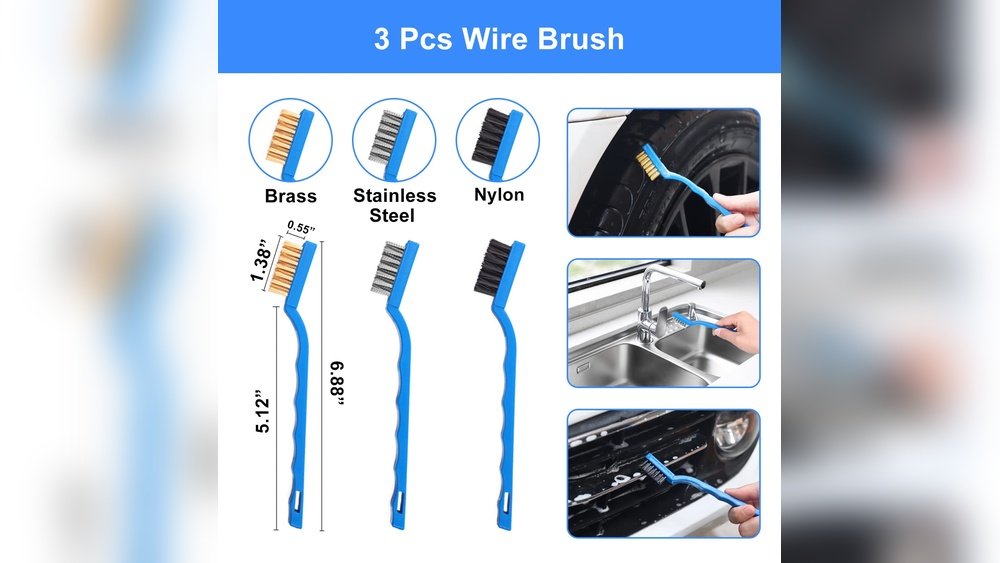
Choosing the right brushes for car detailing makes the job easier and more effective. Brushes designed specifically for car care help reach tight spaces and clean without damaging surfaces. Toothbrushes can work for small spots but lack the durability and shape of professional brushes. Using recommended brushes ensures a thorough clean and saves time.
Specialized Detailing Brushes
These brushes come in various shapes and sizes. Soft bristles protect delicate surfaces like leather and vinyl. Stiffer bristles remove dirt from carpets and floor mats. Some brushes have angled heads to reach deep crevices. Materials resist chemicals used in cleaning products. Specialized brushes improve cleaning results and protect your car’s finish.
Comparison With Toothbrushes
Toothbrushes are handy for very small areas. Their small heads fit around buttons and seams. Bristles are softer but not made for heavy use. Toothbrushes wear out quickly and may lose shape. They do not cover large surfaces efficiently. Professional brushes offer better durability and cleaning power for bigger jobs.
When To Choose Professional Tools
Use professional brushes for thorough cleaning tasks. They work best on tough grime and large surfaces. Choose them when cleaning upholstery, carpets, or wheels. Professional tools save time and prevent damage. For light touch-ups or tight spots, toothbrushes can help. Prioritize professional brushes for regular, deep car detailing.
Expert Cleaning Tips
Expert cleaning tips can help you get the best results using a toothbrush for car detailing. Small brushes reach areas other tools cannot. Proper cleaning methods protect your car’s surfaces and keep them looking fresh. Learn how to use soapy water and degreasers, clean interior plastics and seams, and maintain your brushes for long-lasting use.
Using Soapy Water And Degreasers
Mix warm water with mild soap to create soapy water. Dip the toothbrush into the solution before scrubbing. This loosens dirt and grime from tight spaces. For tougher stains, use a car-safe degreaser. Apply it carefully on the brush, then scrub gently. Always test degreasers on a small area first. Rinse the area with clean water after cleaning to remove residue.
Cleaning Interior Plastics And Seams
Use the toothbrush to clean plastic surfaces inside your car. The bristles fit into small gaps and seams. Gently scrub around buttons, air vents, and door panels. Avoid using too much water on electronics. For seams in upholstery, dip the brush lightly in soapy water. This helps remove dust and crumbs trapped in fabric folds. Wipe dry with a microfiber cloth after cleaning.
Maintaining Your Detailing Brushes
Clean your toothbrush after each use to keep it effective. Rinse it under warm water to remove dirt and chemicals. Use mild soap to wash the bristles if needed. Let the brush air dry completely before storing. Replace brushes when bristles become worn or misshaped. Proper care extends the life of your detailing tools and ensures better cleaning results.
Diy Vs Professional Detailing
Deciding between DIY car detailing and professional services depends on many factors. Both methods have unique advantages and limitations. Understanding these can help you choose the right option for your car’s needs.
When To Use Home Tools
Home tools like a toothbrush work well for small spots and tight areas. They are perfect for cleaning buttons, seams, and vents where dirt hides. Simple supplies keep costs low and allow quick touch-ups. Using a toothbrush helps remove grime without damaging surfaces. It is best for minor cleaning jobs and routine maintenance. You control the pace and focus on problem spots. DIY saves money but needs patience and care.
Benefits Of Professional Equipment
Professional detailers use special tools designed for deep cleaning. Their machines can reach dirt that home tools cannot. They use high-quality products that protect your car’s paint and interior. Experts have skills to handle tough stains and delicate parts. Their work usually lasts longer and looks more polished. Choosing professional equipment reduces the risk of damage. It also saves time when your car needs thorough cleaning.
Mobile Detailing Services Insights
Mobile detailing brings professional care right to your door. These services offer convenience for busy schedules. They use the same tools and products as shops. Mobile detailers adapt to different cars and conditions. They provide flexible appointments and personalized service. Mobile options often cost less than full-service shops. You get expert cleaning without driving or waiting. It is a smart choice for quick, quality results.

Credit: thetuxtailor.com
Frequently Asked Questions
Can I Use A Toothbrush To Clean My Car?
Yes, a toothbrush works well for cleaning small crevices and hard-to-reach areas in your car. Use a soft-bristled toothbrush dipped in soapy water for better dirt removal. Avoid harsh scrubbing to prevent surface damage. It’s ideal for buttons, seams, and tight spots.
How Much Should I Tip For A $200 Car Detail?
For a $200 car detail, tip between $20 and $40, about 10-20% of the service cost. Adjust based on service quality.
What Type Of Brush For Car Detailing?
Use soft-bristle brushes for interior plastics and leather. Choose boar’s hair or horsehair brushes for delicate surfaces. Use fine detailing brushes for vents and seams. A toothbrush works well for tight crevices. Select brushes based on the area and material for effective car detailing.
How Long Do Bacteria Live On A Toothbrush?
Bacteria can live on a toothbrush for up to 24-48 hours. Proper rinsing and drying reduce bacterial growth. Replace toothbrushes every 3-4 months.
Conclusion
Using a toothbrush for car detailing works well for small, tight spots. It helps remove dirt from buttons, seams, and vents. Choose a soft-bristled brush to avoid scratches. Soapy water improves cleaning power and makes scrubbing easier. Remember, a toothbrush is just one tool among many.
Combining it with other brushes and cleaners gives the best results. Keep your car looking fresh by cleaning regularly. Simple tools like a toothbrush can make a big difference. Try it out and see how it helps your car shine.