
Are you tired of waking up to fogged-up windows and a damp smell inside your car? You’ve probably seen those car dehumidifier bags promising to soak up moisture and keep your ride dry.
But do they really work, or are they just another gimmick? If you want to know whether these little bags can make a real difference for your car’s comfort and safety, keep reading. We’ll break down how they work, what to expect, and whether they’re worth trying in your own vehicle.
Your car deserves a fresh, dry interior—and you deserve to know the truth.

Credit: www.easylife.co.uk
How Car Dehumidifier Bags Work
Car dehumidifier bags help reduce moisture inside vehicles. They prevent foggy windows and damp smells. These bags absorb water vapor from the air around them. Understanding how they work shows their usefulness in cars.
Types Of Dehumidifier Bags
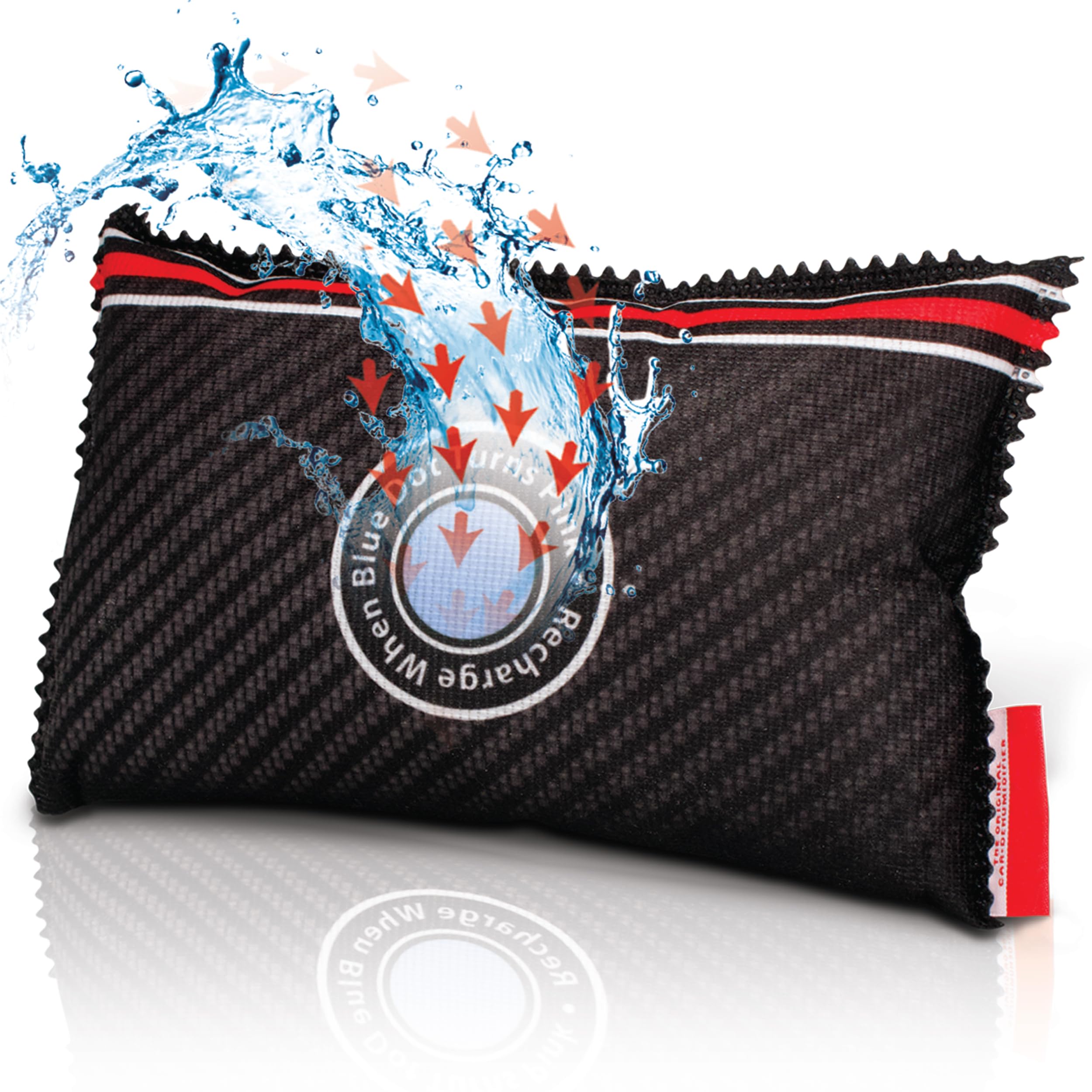
There are mainly two types of car dehumidifier bags. First, silica gel bags that contain small beads. These beads attract and hold moisture from the air. Second, bamboo charcoal bags made from natural charcoal. They absorb moisture and remove odors at the same time.
Both types are easy to place inside the car. They work silently without needing power. You just hang or set them on the dashboard or seats.
Mechanism Of Moisture Absorption
Dehumidifier bags use materials that attract water vapor. Silica gel beads have tiny pores that trap moisture molecules. Bamboo charcoal has a porous structure that captures water and smells. As air passes over or through these materials, moisture sticks to them.
This process lowers the humidity inside the car. It helps stop condensation on windows. It also keeps the car interior dry and fresh. Over time, the bags become saturated and need drying or replacement.
Effectiveness In Different Conditions
Car dehumidifier bags help reduce moisture inside vehicles. Their effectiveness changes with different weather and car conditions. Understanding how they perform in various settings helps decide if they suit your needs. Below, we explore how these bags work in humid climates and their impact on window fog and moisture.
Performance In Humid Climates
In humid areas, car interiors collect more moisture from the air. Dehumidifier bags absorb water vapor to keep the car dry. They work best in small to medium-sized spaces inside the car. Bags with silica gel or similar materials trap moisture efficiently. However, in very humid climates, these bags may need frequent replacement or recharging. They reduce damp smells and prevent mold growth. Still, they might not eliminate all moisture during heavy rain or extreme humidity.
Impact On Window Fog And Moisture
Window fog forms when warm air meets cold glass. Dehumidifier bags lower the humidity inside the car, slowing fog buildup. Placing these bags near the windshield helps absorb excess moisture. This reduces the frequency and thickness of fog on windows. They also help dry wet seats and carpets after rain or snow. While they improve visibility, they do not replace proper ventilation. Opening windows or using a car’s defogger remains important for clear glass.
Placement Tips For Best Results
Proper placement of car dehumidifier bags is key to their effectiveness. Strategic positioning helps these bags absorb moisture efficiently. Poor placement can reduce their ability to keep your car dry and fog-free. Follow these placement tips for best results and to maintain a comfortable car interior.
Ideal Locations Inside The Car
Place dehumidifier bags near windows and windshields. These areas collect the most moisture and fog. Position bags on the dashboard or door pockets for better air exposure. Keep them off the floor to avoid dirt and damage. Use multiple bags for larger cars or very damp conditions. Spread them evenly to cover all moisture-prone spots.
Avoiding Common Mistakes
Do not block air vents or cabin filters with the bags. Avoid placing bags in direct sunlight as it reduces absorption. Do not leave bags in sealed plastic bags or containers. This traps moisture and stops their function. Replace or recharge bags on time to maintain their effectiveness. Avoid placing bags near heat sources, which can dry them out too quickly.

Credit: wisedry.com
Reusable Vs Disposable Bags
Choosing between reusable and disposable car dehumidifier bags depends on your needs and preferences. Both types help reduce moisture inside your vehicle. This section compares their cost, environmental impact, maintenance, and lifespan to help you decide.
Cost And Environmental Impact
Disposable bags cost less upfront. You buy them, use once, then throw away. Over time, these costs add up. Reusable bags cost more initially but save money after many uses. They reduce waste because you don’t discard them often. Reusable bags help lower environmental harm by cutting down trash. Disposable bags create more landfill waste. For eco-friendly choices, reusable bags are better.
Maintenance And Lifespan
Disposable bags need no maintenance. Use them until full, then replace. Reusable bags require drying after each use. You must follow instructions to keep them effective. Their lifespan depends on care and quality. Properly maintained reusable bags last for months or even years. Disposable bags work immediately but last only once. Reusable bags suit people who want long-term solutions.
Alternative Moisture Control Methods
Car dehumidifier bags are one way to reduce moisture inside vehicles. Some drivers prefer other methods to control dampness. These alternative moisture control methods can be effective in keeping your car dry and comfortable. They work differently but aim for the same goal: less humidity and fog.
Electric Dehumidifiers
Electric dehumidifiers remove moisture using power. They draw damp air inside and condense water out. This method works faster than bags and covers larger spaces. Many models plug into the car’s 12V outlet. They run quietly and need little attention. Some come with auto shut-off when full. They help prevent mold and musty smells effectively.
Natural Absorbers And Ventilation
Natural absorbers include silica gel, charcoal, or baking soda. These materials soak up moisture passively. They require regular replacement or recharging in sunlight. Ventilation is simple but powerful. Crack windows slightly or use air vents to allow fresh air. This stops moisture build-up inside the car. Combining absorbers with good airflow keeps interiors dry naturally.
User Experiences And Reviews
User experiences provide valuable insight into how well car dehumidifier bags perform. Real users share their honest thoughts after trying these products in their vehicles. Their feedback helps others understand the benefits and drawbacks of using dehumidifier bags to reduce moisture and fogging inside cars.
Reading multiple reviews uncovers common patterns about the effectiveness and convenience of these bags. Some users report clear improvements, while others mention challenges. This section presents a balanced view based on actual user feedback.
Success Stories
Many users praise car dehumidifier bags for reducing window fog. They notice clearer windscreens during cold or humid weather. Drivers with older cars find these bags especially helpful to cut down moisture buildup. Some users mention fewer bad smells inside their vehicles after using the bags. People who park their cars in damp areas see less dampness on seats and carpets. Overall, success stories highlight how these bags make car rides safer and more comfortable.
Limitations Noted By Users
Some users say the bags need frequent replacement or recharging. The moisture-absorbing crystals inside get saturated quickly in very wet conditions. Others find the bags less effective in large vehicles or cars with heavy leaks. A few mention that bags only reduce moisture but do not eliminate fog completely. Some users feel the bags do not work well in extreme cold weather. These points suggest that while helpful, dehumidifier bags have limits and may not solve all moisture problems.
Buying Guide For Car Dehumidifier Bags
Choosing the right car dehumidifier bag helps keep your vehicle dry and fog-free. This buying guide simplifies the process. It highlights key features and trusted brands. Knowing what to check ensures the best purchase for your needs.
Key Features To Look For
Capacity matters. Choose bags that absorb enough moisture for your car size. Look for quick moisture absorption to prevent fog buildup fast. Reusability adds value. Bags that dry out and recharge save money. Check the material quality. Durable bags last longer without leaks. Size and shape should fit your car’s interior space. Easy placement improves effectiveness. Safety is key. Non-toxic and eco-friendly materials protect you and the environment.
Recommended Brands And Products
Eva-Dry offers reliable reusable dehumidifier bags with good capacity. Their products are easy to recharge and long-lasting. Armored Auto offers affordable options designed specifically for cars. Their bags absorb moisture quickly and stay leak-proof. Moso Natural is known for natural odor control and moisture absorption. Their bamboo charcoal bags are eco-friendly and safe. KMMOTORS offers compact, high-capacity bags with fast absorption. These brands provide quality choices for various budgets and needs.
Credit: www.amazon.com
Additional Tips To Prevent Moisture Build-up
Preventing moisture build-up inside your car takes more than just using dehumidifier bags. Small habits and regular care help keep the interior dry. These additional tips reduce dampness and fog on windows. They also protect your vehicle from mold and odors.
Regular Cleaning And Maintenance
Clean your car’s interior often to stop moisture from settling. Wipe windows and surfaces to remove condensation. Check floor mats and carpets for dampness. Dry or replace any wet items quickly. Keep door seals clean and intact to block outside moisture. Regular vacuuming removes dust that holds dampness. Clean air vents to improve airflow and reduce humidity.
Using Heat And Air Circulation
Use your car’s heater to warm the interior and dry air. Turn on the air conditioner to remove humidity on hot days. Open windows slightly to allow fresh air to flow. Use the fan setting to circulate air inside the car. Park in sunny spots to warm the cabin naturally. Avoid leaving wet clothes or items inside the car. These steps help lower moisture and prevent fogging.
Frequently Asked Questions
Do Dehumidifier Bags Actually Work?
Dehumidifier bags absorb moisture effectively in small, enclosed spaces like cars or closets. They reduce dampness but don’t dry large rooms. Regular replacement ensures optimal performance.
Would A Dehumidifier Help With Copd?
A dehumidifier reduces indoor moisture, easing breathing for COPD patients. It helps prevent mold and allergens that worsen symptoms.
How Many Dehumidifier Bags Do I Need For My Car?
Use 1 to 2 dehumidifier bags for a standard car. Adjust quantity based on car size and moisture levels. Replace bags regularly.
Where Is The Best Place To Put A Dehumidifier In A Car?
Place a dehumidifier on the dashboard near the windshield for maximum moisture absorption. Electric models can also go inside the cabin discreetly. This location reduces window fog and keeps the car interior dry effectively.
Conclusion
Car dehumidifier bags help reduce moisture inside vehicles effectively. They absorb dampness and limit window fogging. Using them regularly keeps your car interior dry. Placement near windows or dashboard works best. These bags are simple, affordable tools for moisture control.
While not a complete solution, they improve comfort and visibility. Combining bags with proper ventilation yields better results. Overall, car dehumidifier bags offer practical help against humidity. Give them a try to maintain a fresher car environment.