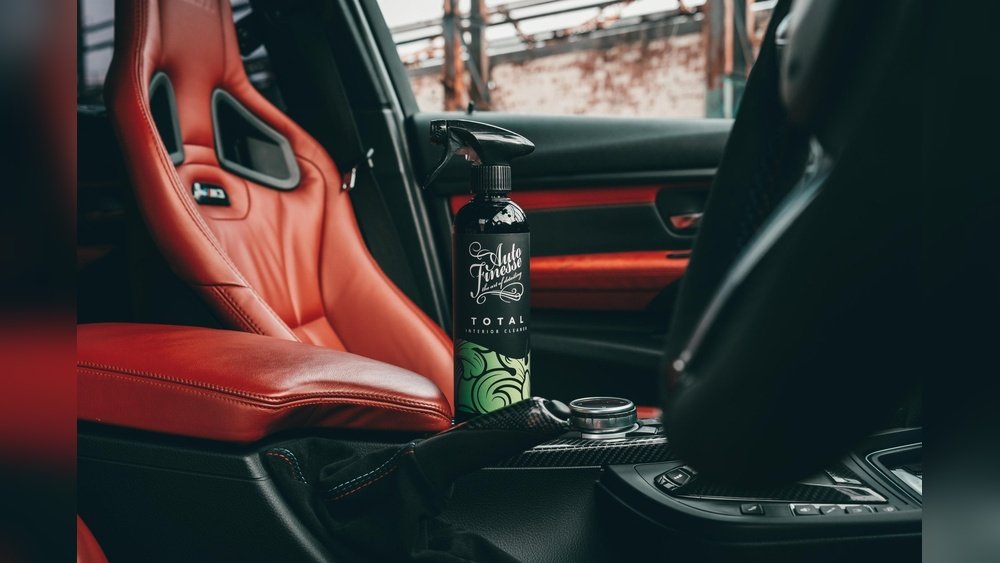
Owning a car with leather seats feels special. The smooth texture, the classic look, and the scent create a sense of luxury inside your vehicle. But many people discover that keeping leather car seats looking and feeling their best takes more than just a quick wipe.
Without proper care, leather can crack, fade, and lose its softness. This ultimate guide will show you how to care for your leather car seats so they stay beautiful and comfortable for years. Whether you’re a first-time leather owner or want to upgrade your cleaning routine, you’ll find practical advice, easy-to-follow steps, and expert insights here.
You’ll also learn how to deal with stains, prevent damage, and repair minor issues so your seats look and feel premium every day.
Understanding Leather Car Seats
Leather is a natural material made from animal hide, usually cowhide. Its qualities—like smoothness, softness, and flexibility—come from a special tanning process. There are several types of leather used in car seats:
- Aniline leather: The most natural and soft. It absorbs moisture easily, so it stains faster but feels very luxurious.
- Semi-aniline leather: Treated with a light protective layer. This makes it more resistant to stains but still soft.
- Pigmented leather: Coated with color and protection. It’s tougher against scratches and moisture, but feels less natural.
Each type needs slightly different care. Knowing your leather type helps you choose the right products and methods. For example, aniline leather requires more gentle treatment, while pigmented leather can handle stronger cleaners. Some cars also use a blend, so check your owner’s manual or ask your dealer if you’re unsure.
Why Is Leather Used For Car Seats?
Car makers use leather for its comfort, appearance, and durability. Leather stays cooler in summer and warmer in winter than vinyl. It also resists odors and, with care, can last longer than fabric seats. The material’s flexibility means it molds to your body for a more comfortable ride. Leather’s natural oils help it resist stains better than fabric, especially if you condition it regularly.
Leather is also chosen because it’s easier to clean than cloth, especially after spills. Unlike fabric, liquids don’t soak in immediately, giving you time to clean up. Plus, the luxurious look and feel add value to your car. Many premium vehicles offer leather seats as a selling point, and buyers often prefer them for resale.
Common Leather Problems
Many leather seat issues come from neglect or using harsh products:
- Cracking: Happens when leather dries out. This usually starts at the edges and seams where friction is highest.
- Fading: Sunlight removes the color and makes seats look old. Over time, even dark leather can turn pale.
- Stains: Spills, sweat, and dirt can soak in and cause spots. Some stains, like ink or dye transfer, are hard to remove.
- Stiffness: Lack of conditioning can make leather hard and uncomfortable. The leather loses its softness and flexibility.
Recognizing these problems early gives you a chance to fix them before the damage becomes permanent. For example, a small crack can often be repaired with a filler, but deep cracks may require professional help. Stains are easiest to remove when fresh—older stains might need specialized products.
Extra insight: Leather can also stretch if you regularly slide in and out of the car or place heavy items on the seats. This creates permanent wrinkles, which are hard to fix.
Essential Leather Car Seat Care Tools And Products
Maintaining leather seats starts with having the right tools and products. Using the wrong materials can do more harm than good. Here are the basics:
Must-have Tools
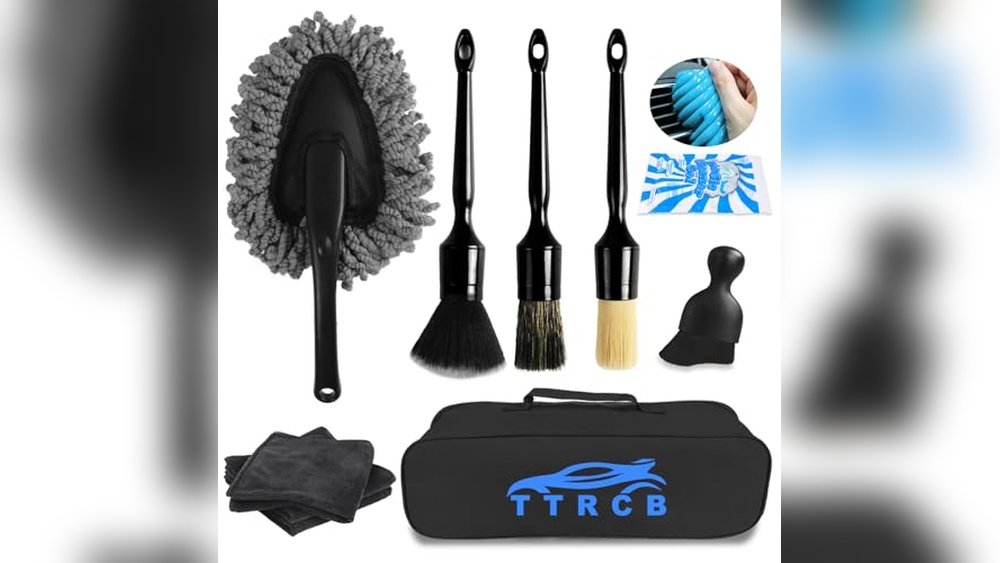
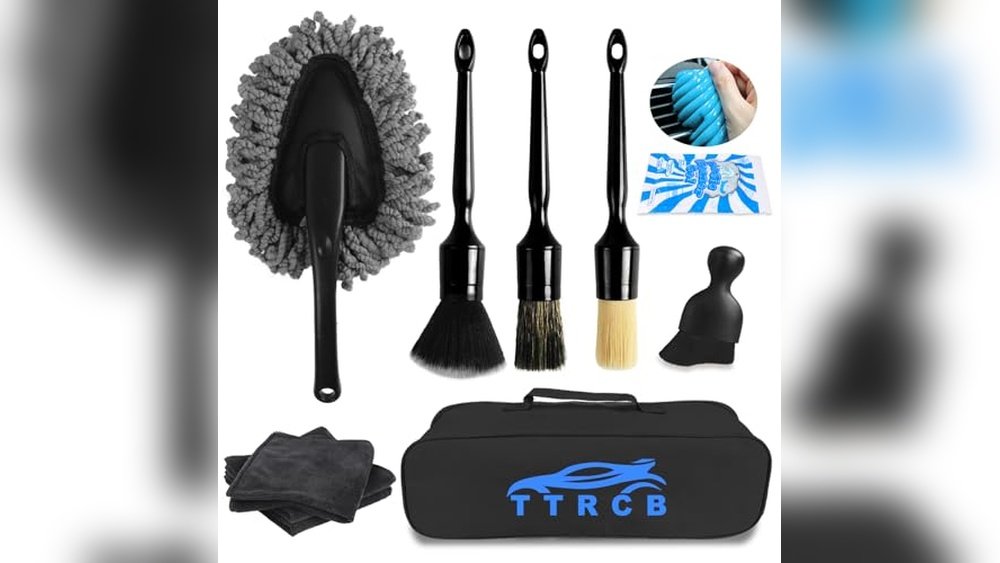
- Soft microfiber cloths: For gentle cleaning and buffing. Microfiber is best because it attracts dust and dirt without scratching.
- Soft-bristle brush: Helps clean creases and stitching. Choose a brush made for leather—shoe brushes work well.
- Vacuum cleaner with brush attachment: Removes dirt and dust without scratching. The brush gently lifts debris from seams and folds.
- Spray bottle with distilled water: For safe, light cleaning. Tap water can contain minerals that leave marks.
Having these tools ready makes the cleaning process faster and safer. Microfiber cloths are reusable and easy to wash, and having separate cloths for cleaning and conditioning prevents cross-contamination.
Key Cleaning And Care Products
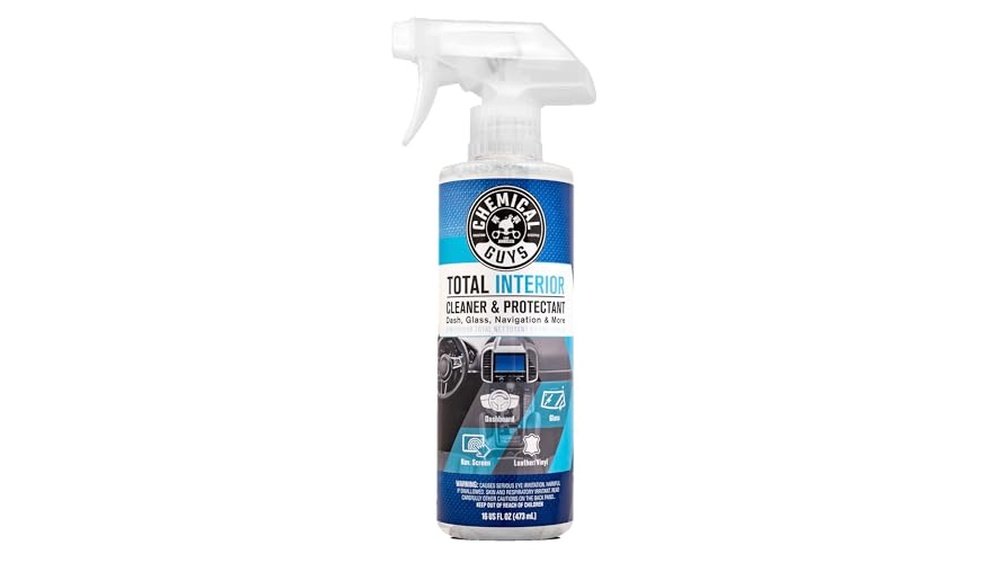
- PH-neutral leather cleaner: Avoids damaging the leather’s natural oils. The cleaner should be designed specifically for automotive leather.
- Leather conditioner: Restores moisture and keeps leather soft. Look for formulas that contain natural oils, not heavy waxes.
- Leather protectant: Adds a protective layer against stains and UV rays. Some protectants also repel liquids.
You may also want to keep a dedicated leather stain remover on hand for emergencies. Products made for shoes or furniture may not work on car seats, so always choose automotive-specific items.
What To Avoid
- Harsh detergents: These can strip away natural oils. Even mild dish soap is too aggressive for leather.
- Household cleaners (like bleach or ammonia): Too strong and can discolor or dry out leather. They often cause fading and brittleness.
- Rough sponges or brushes: These can scratch the surface. Avoid anything made for scrubbing pots or pans.
Some wipes labeled “all-purpose” contain alcohol, which dries out leather. Check the label before using any product.
Comparing Leather Care Products
The market is full of different products, but not all are suitable for car seats. Here’s a quick comparison to help you choose:
| Product Type | Main Benefit | Best For | Common Drawback |
|---|---|---|---|
| pH-neutral cleaner | Safe deep cleaning | All leather types | May not remove heavy stains alone |
| Conditioner | Restores softness | Dried or stiff leather | Overuse can cause stickiness |
| Protectant spray | UV and stain defense | Light-colored or sun-exposed seats | Some leave residue |
| All-in-one product | Convenience | Quick touch-ups | Often less effective for deep care |
Tip: Always test new products on a hidden area to check for color changes or residue. Leather can react to chemicals, so spot-testing prevents surprises.
Extra insight: Some cheap conditioners use petroleum or silicone. These can leave seats shiny but also clog pores, making the leather unable to “breathe.” Choose products with natural oils like lanolin or beeswax for best results.

Credit: ethoscarcare.com
Step-by-step Leather Car Seat Cleaning Routine
A regular cleaning routine is the key to leather longevity. Here’s a breakdown of what you should do and how often:
1. Prepare Your Seats
- Remove loose items and trash.
- Slide seats forward/back to reach all areas.
- Open windows or doors for good airflow.
Taking time to prepare means you won’t miss hidden spots. It also prevents dirt from falling onto clean leather during the process.
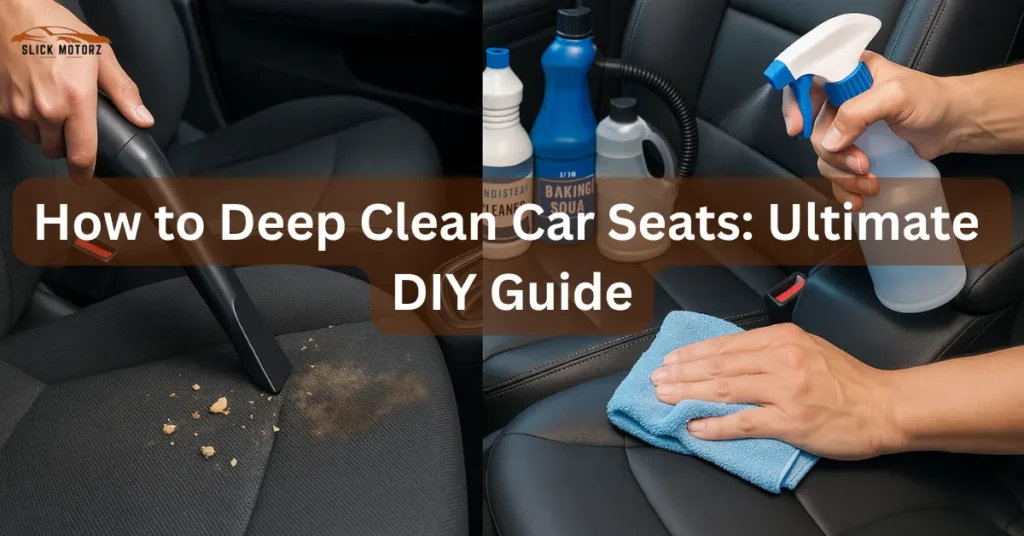
2. Dry Vacuum
Use a vacuum with a soft brush attachment to gently remove dust and debris. Pay special attention to seams and creases, as dirt often hides there. Never use a regular brush—it can scratch the leather.
If you have pets, use a vacuum designed to pick up hair. Pet hair can get stuck in the stitching and cause long-term damage if left too long.
3. Wipe With Damp Cloth
Lightly dampen a clean microfiber cloth with distilled water. Wipe the entire seat surface. This removes surface grime without soaking the leather.
Use gentle pressure. If you see water marks after drying, switch to distilled water—tap water may contain minerals that leave spots.
4. Apply Leather Cleaner
Spray a small amount of pH-neutral leather cleaner onto a cloth (never directly on the seat). Gently rub in circles, working on one section at a time. For deeper dirt, use a soft-bristle brush in seams and textured areas.
If your seats are heavily soiled, repeat the process. Let the cleaner sit for a minute before wiping for better results.
5. Remove Excess Cleaner
Wipe off any cleaner with a clean, dry microfiber cloth. This prevents residue and streaks.
Buff gently to remove any remaining moisture. If the cloth comes away dirty, repeat the cleaning process.
6. Condition The Leather
Wait for seats to dry. Apply a leather conditioner sparingly with another cloth. Rub it in with circular motions, covering all areas. Let the conditioner soak in for at least 10-15 minutes.
Don’t rush—conditioning is what keeps leather soft. If your seats are very dry, you may need a second application, but wait and check the texture first.
7. Buff And Finish
Buff the seats with a dry cloth to restore shine and remove any extra conditioner. Leave doors open for 30 minutes to help the leather “breathe. ”
Buffing also helps distribute conditioner evenly, preventing buildup. Letting seats air out ensures no moisture gets trapped, which can cause mold.
How Often Should You Clean?
| Frequency | Task |
|---|---|
| Weekly | Vacuum and wipe with damp cloth |
| Monthly | Full clean with leather cleaner |
| Every 3 months | Apply conditioner |
| Every 6 months | Apply protectant spray |
Non-obvious insight: Over-conditioning is a common mistake. Too much conditioner can make leather sticky and attract dirt. Less is more—apply only as directed.
Extra guidance: If your car sits outdoors or you travel long distances often, clean and condition more frequently. Urban drivers with less exposure may need less maintenance.
Deep Cleaning And Stain Removal For Leather Seats
Sometimes, regular cleaning isn’t enough. Spills, stains, or long periods without care can require deeper cleaning. Here’s how to tackle tough situations:
Handling Common Stains
- Grease or oil: Blot (don’t rub) with a dry cloth. Sprinkle cornstarch or talcum powder on the spot, wait a few hours, then vacuum.
- Ink: Dab with a cotton swab dipped in rubbing alcohol. Test on a hidden spot first. Never scrub—gentle dabbing only.
- Coffee or soda: Quickly blot with a dry cloth. Use a mild leather cleaner and wipe dry.
- Dye transfer (from jeans): Use a specialized leather dye remover. Avoid bleach-based products.
For food stains, scrape off solid matter gently with a plastic spoon, then clean as above. For blood stains, cold water works best—hot water sets the stain.
Deep Cleaning Steps
- Use a dedicated leather deep cleaner or foam. Apply as the label suggests.
- Work in small sections, using a soft brush for stubborn dirt.
- Wipe all residues with a clean, slightly damp cloth.
- Condition after deep cleaning, as some deep cleaners strip natural oils.
Repeat the process for heavy buildup, but don’t over-saturate the leather. Let seats dry fully between steps.
What To Avoid
- Do not use magic erasers or abrasive pads. These can remove the finish and damage the leather.
- Avoid soaking leather with water. Too much moisture can cause mold and weaken the material.
Some stains, like ink or dye transfer, may not come out fully. Professional products can help, but sometimes only a detailer can restore the original look.
Professional Cleaning
If your seats are heavily soiled or stained, consider professional cleaning. Experts use specialized equipment and have products safe for all types of leather. This can be especially helpful for luxury or vintage vehicles.
Professional detailers have tools to clean deep into the pores without damaging the finish. They can also repair minor cracks and scratches, matching color and texture.
Non-obvious insight: Many stains set because people wait too long to act. Immediate attention—within minutes—gives the best chance of complete removal.
Practical example: If you spill coffee, blot it right away and use a cleaner within 15 minutes. Waiting until the next day means the stain will be much harder to remove.

Credit: www.drbeasleys.com
Leather Conditioning: The Secret To Soft, Supple Seats
Leather is skin, and like your own, it dries out and ages. Conditioning restores lost oils, keeping the leather soft and flexible. Here’s how to do it properly:
Choosing The Right Conditioner
Pick a water-based, pH-balanced conditioner for car seats. Avoid products with waxes or silicones—they can clog the leather’s pores and cause a shiny, unnatural finish.
If your car is exposed to sun often, look for conditioners with UV protection. For older leather, choose a formula with extra moisturizing ingredients.
How To Apply Conditioner
- Clean the seat first—conditioner won’t absorb through dirt.
- Apply a small amount to a microfiber cloth.
- Massage into the leather in thin, even layers.
- Let it absorb for 10-20 minutes.
- Buff off any extra with a dry cloth.
For seats that haven’t been conditioned in a long time, apply a second layer after the first dries. Always check for stickiness—if the leather feels tacky, wipe off excess.
How Often To Condition
Most seats need conditioning every 3-6 months. If you live in a dry climate or park in the sun, condition more often.
Conditioning too often can make seats greasy and attract dust. Stick to your schedule unless the leather feels especially dry.
Signs Your Seats Need Conditioning
- Leather feels rough or dry
- Visible cracks starting to form
- Dull or faded appearance
If your seats start to squeak when you move, it’s often a sign they need conditioning.
Practical tip: If water no longer beads on your leather, it’s time to condition.
Extra insight: Some leather conditioners have a scent that can refresh your car’s interior. Choose one with a subtle fragrance if you like a fresh smell.
Protecting Leather Car Seats From Damage
Prevention is the best way to keep leather looking new. Here are proven strategies:
Shield From Sunlight
UV rays are leather’s worst enemy. They cause fading, drying, and cracking. Park in the shade or use a windshield sunshade. Tinted windows also reduce UV exposure.
If you park outside regularly, rotate your parking spot so the same seat isn’t always facing the sun. This can help prevent uneven fading.
Use Seat Covers Or Towels
If you carry pets, children, or sports equipment, cover the seats. This prevents scratches, stains, and dye transfer. Look for breathable covers to avoid trapping moisture.
Some covers are designed to fit snugly and won’t slide around. Choose covers made for your car model for best protection.
Keep Sharp Objects Away
Keys, buckles, and tools can puncture or scratch leather. Always check your pockets and bags before sitting down.
If you often carry items in your car, keep a small basket or organizer to prevent accidental drops onto the seats.
Maintain Interior Humidity
Very dry air, especially in winter, speeds up leather drying. Use a car humidifier if you live in a dry area.
If your car is parked for long periods, place a moisture absorber under the seat to prevent mold.
Regularly Adjust Seats
Dirt collects in the gaps and edges. Move and clean around the seats often to prevent buildup.
If your seats are electric, adjust them up and down to reach hidden dirt.
Quick Clean After Spills
Deal with spills immediately. The longer liquid sits, the deeper it penetrates.
Extra insight: Even sweat can stain leather. If you drive after exercise, wipe down seats as soon as you finish.

Credit: www.amazon.com
Repairing Minor Leather Damage
Even with care, small scratches or cracks can appear. Minor repairs are possible at home:
Fixing Surface Scratches
- Clean the area thoroughly.
- Use a leather repair kit (available at auto stores). These come with color-matched fillers and sealers.
- Follow instructions: Usually, you fill the scratch, let it dry, then buff.
Some kits include a color chart. Match your seat color as closely as possible for natural-looking repairs.
Treating Small Cracks
- Apply a leather filler with a palette knife.
- Let it dry, then sand gently with very fine sandpaper.
- Use a matching dye to blend with the seat color.
If the crack is deep, repeat the filler process after drying. Always follow kit instructions.
When To See A Professional
Deep tears, holes, or color loss require expert help. DIY repairs on large areas can look worse if not done properly.
Professional repair shops can re-dye entire seats and restore texture. They also fix foam padding if the seat structure is damaged.
Non-obvious insight: Matching dye is tricky—send a photo of your seats to the repair kit maker for advice. Many offer color-matching services.
Extra example: Some kits let you mix colors for a custom match. Keep a record of your mix ratio in case you need to repair again.
Seasonal Leather Care Tips
Your leather seats face different challenges throughout the year. Adjust your routine as the seasons change:
Spring
- Clean away road salt and winter grime.
- Condition to restore moisture lost to cold, dry air.
Salt can damage leather if left too long. Vacuum and wipe seats regularly after winter.
Summer
- Protect from heat and sun with sunshades and regular conditioning.
- Wipe off sweat and sunscreen, as these can stain leather.
If you spend time at the beach, sand can scratch leather. Shake off clothes and towels before sitting.
Fall
- Remove leaves and dirt that can stain or scratch.
- Prepare for winter by applying a protectant.
Wet leaves can stick to shoes and transfer stains. Clean seats more often if you park near trees.
Winter
- Avoid letting snow or ice sit on seats—moisture can damage leather.
- Keep the interior dry to prevent mold and mildew.
If your boots are wet or muddy, place a towel on the seat to prevent stains.
Tip: Leave windows cracked open for a few minutes after cleaning to prevent humidity buildup.
Extra guidance: In winter, check for condensation on windows. Excess moisture can lead to mold under the seats.
Leather Car Seat Myths And Mistakes
Many car owners believe myths about leather care that do more harm than good. Here’s the truth:
Myth 1: Leather Needs To “breathe,” So Avoid Conditioners
Fact: Leather does not breathe like skin. It needs conditioning to stay soft. Skipping conditioner leads to dry, cracked seats.
Myth 2: Household Cleaners Are Fine For Leather
Fact: Many home cleaners are too harsh. They can strip protective coatings and fade color. Only use products made for automotive leather.
Myth 3: All Cracks And Wear Are Normal
Fact: Most cracking comes from neglect. Regular care prevents or delays aging.
Mistake: Using Too Much Product
Over-conditioning or over-cleaning can create buildup and sticky seats. Always follow product directions.
Mistake: Ignoring Small Stains
Minor stains grow over time. Quick action prevents permanent marks.
Extra insight: Many people think leather is waterproof. It’s not—water can damage it if left to soak. Always dry seats fully after cleaning.
Comparing Leather And Fabric Seats
If you’re deciding between leather and fabric, consider the pros and cons:
| Feature | Leather Seats | Fabric Seats |
|---|---|---|
| Comfort | Softer, luxurious feel | Cooler in summer, warmer in winter |
| Maintenance | Requires regular cleaning/conditioning | Easier to clean, fewer special products |
| Durability | Lasts longer with care | Prone to stains and odors |
| Cost | More expensive | Less costly |
| Appearance | Premium look | Less luxurious |
Practical tip: Leather’s main advantage is its durability and easy odor control, but it needs more attention.
Extra example: In humid climates, fabric can develop odors, while leather stays fresher if cleaned regularly.
Best Practices For Long-lasting Leather Seats
A few simple habits will extend the life of your car’s leather:
- Stick to a regular cleaning schedule. Small efforts prevent big problems.
- Keep seats covered in extreme heat or cold. Temperature swings speed up wear.
- Don’t eat or drink in the car if possible—food stains are hard to remove.
- Check for recalls on your leather seats. Some car models have special care instructions or known issues.
- Use quality products. Cheap cleaners or conditioners can cause more harm than good.
- Document your routine if you plan to sell your car. Buyers value well-maintained leather.
Extra guidance: Take photos of your seats after cleaning and conditioning. This helps track changes and shows buyers your care routine.
The Environmental Side Of Leather Care
Modern leather care products are safer than in the past, but some still contain chemicals that can harm the environment. Here’s how to care for your seats responsibly:
- Choose water-based, biodegradable cleaners and conditioners.
- Dispose of old cloths and empty bottles properly. Don’t pour cleaners down the drain.
- Use only what you need. Avoid excess product use.
- Recycle packaging when possible.
Did you know? Natural leather is biodegradable, but synthetic coatings and harsh chemicals are not. Eco-friendly choices protect your car and the planet.
Extra insight: Some brands offer refill packs to reduce plastic waste. Buying concentrated formulas also cuts down on packaging.
When To Seek Professional Help
Some issues are too big for DIY fixes. Seek a professional detailer if:
- Seats are heavily soiled, stained, or cracked.
- Repairs involve large tears, holes, or color loss.
- You have rare or vintage leather (requires special care).
Professional cleaning can restore seats to near-new condition, protect value, and prevent mistakes that might lower resale value.
Tip: Annual professional detailing, combined with regular at-home care, keeps seats in top shape.
Extra guidance: If you plan to sell your car, a professional cleaning before listing can boost value and make your car stand out.
Frequently Asked Questions
How Can I Tell If My Car Seats Are Real Leather Or Synthetic?
Genuine leather feels warm, soft, and has a natural grain pattern. Synthetic (faux) leather is usually smoother and cooler to the touch. Check your owner’s manual or ask your dealer if you’re unsure.
If you see perfect, repeating patterns, it’s likely synthetic. Real leather shows irregular grains and may have small imperfections.
Can I Use Household Products Like Dish Soap Or Baby Wipes On Leather Seats?
No. Most household cleaners are too harsh for automotive leather. They can strip protective coatings and cause damage. Only use products made for car leather.
Baby wipes often contain alcohol and fragrances, which dry out leather. Stick to pH-neutral, automotive-grade cleaners.
What Should I Do If My Leather Seats Get Wet?
Dry them as soon as possible with a soft towel. Leave the doors open to air out the car. Avoid sitting on wet leather—moisture can cause mold and weaken the leather.
If water has soaked through, place absorbent towels under the seat and check for moisture after a few hours.
Is It Safe To Use A Steam Cleaner On Leather Car Seats?
Steam cleaning is not recommended for most leather seats. The heat and moisture can cause the leather to shrink or crack. Stick to gentle, pH-neutral cleaners.
Some professionals use low-moisture steamers, but this requires experience and proper equipment.
How Do I Remove A Stubborn Stain That Won’t Come Out?
Try a dedicated leather stain remover. If the stain remains, contact a professional detailer. Avoid scrubbing or using harsh chemicals, as these can make the problem worse.
For more information about leather care and maintenance, check out this Wikipedia guide to leather crafting.
Leather car seat care isn’t just about keeping your car looking good—it’s about protecting your investment and enjoying a touch of luxury every time you drive. With a little time and the right routine, your seats can stay beautiful for years.
And remember, early attention to stains and regular conditioning will keep your leather comfortable, stylish, and strong for the life of your car.