
Thinking about starting a car detailing business right in your neighborhood? Before you roll up your sleeves, you need to understand how your Homeowners Association (HOA) might impact your plans.
HOAs often have strict rules that can limit or even block certain home-based businesses, especially those involving vehicles and equipment like car detailing. If you want to avoid fines, complaints, or even being forced to shut down, it’s crucial to know exactly what restrictions apply to car detailing businesses in HOA communities.
You’ll discover the key HOA rules that could affect your car detailing venture, how to navigate them, and what steps you can take to keep your business running smoothly without upsetting your neighbors or your HOA board. Keep reading to protect your investment and your peace of mind!
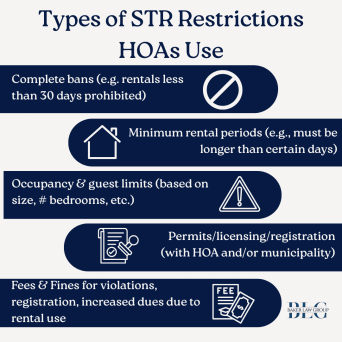
Credit: jbakerlawgroup.com
Hoa Rules On Home Businesses
Homeowners Associations (HOAs) set rules to maintain neighborhood order and appearance. Many HOAs have specific guidelines about running businesses from home. These rules aim to prevent disturbances and keep community standards high. Running a car detailing business at home often faces scrutiny under these HOA rules.
HOA rules on home businesses vary but usually focus on noise, traffic, and parking. They can limit the type of business and how it operates within the neighborhood. Understanding these rules is essential before starting any home-based business, especially car detailing.
Common Hoa Restrictions
HOAs often forbid businesses that increase noise or traffic. Car detailing can involve water use, chemicals, and loud equipment. Many HOAs restrict parking multiple vehicles or customers’ cars on the street. Some require prior approval before starting any home business. Others ban any commercial activities visible from the street. These rules aim to keep the neighborhood quiet and orderly.
Impact On Neighborhood Environment
Car detailing businesses can affect the neighborhood’s look and feel. Water runoff and chemical use may harm local landscaping. Increased car traffic can cause congestion and noise. Unapproved businesses may reduce property values. HOAs enforce rules to protect the environment and community peace. Homeowners must respect these guidelines to keep their neighborhood safe and clean.
Car Detailing As A Home Business
Running a car detailing business from home offers convenience and cost savings. Many entrepreneurs start this way to build a clientele without renting commercial space. Yet, operating such a business in a neighborhood with a Homeowners Association (HOA) brings specific challenges. Understanding the rules and requirements helps avoid conflicts and legal issues. This section explains key points about car detailing as a home business.
Business Classification
Car detailing falls under the category of home-based businesses. It is often classified as a service business. The HOA may consider it a commercial activity. This classification affects what activities are allowed on your property. Some HOAs restrict commercial use of residential properties. Knowing your business classification guides you in following HOA rules. It also helps with local zoning and land use laws.
Licensing And Permits Needed
Starting a car detailing business at home requires proper licensing. A general business license is usually mandatory. This license comes from your city or county office. Some areas require special permits for car washing or detailing. You may also need permission from the HOA. Check local zoning laws for any restrictions on home businesses. Obtaining all licenses and permits ensures your business operates legally. It protects you from fines and forced shutdowns.
Zoning And Legal Considerations
Starting a car detailing business in a neighborhood with a Homeowners Association (HOA) requires careful attention to zoning and legal rules. These rules control what activities can happen in residential areas. Understanding these laws helps avoid fines and disputes. It also ensures the business runs smoothly without interrupting the community.
Local Zoning Laws
Zoning laws set limits on business activities in residential areas. Most neighborhoods allow only residential use, not commercial work. Car detailing often falls under commercial use. This can cause conflicts if done at home. Local governments may require a special permit or license for such businesses. Some areas ban car detailing due to noise, water use, or traffic concerns. Checking with local zoning offices is important before starting.
Exceptions And Variances
Some neighborhoods allow exceptions or variances to zoning rules. A variance is a special permission to break the usual rules. Homeowners can apply for a variance to run a small business like car detailing. The HOA and local authorities review these requests carefully. Approval depends on the business’s impact on neighbors and the community. Variances may include limits on hours, vehicle numbers, or noise. Getting a variance helps run the business legally and peacefully.
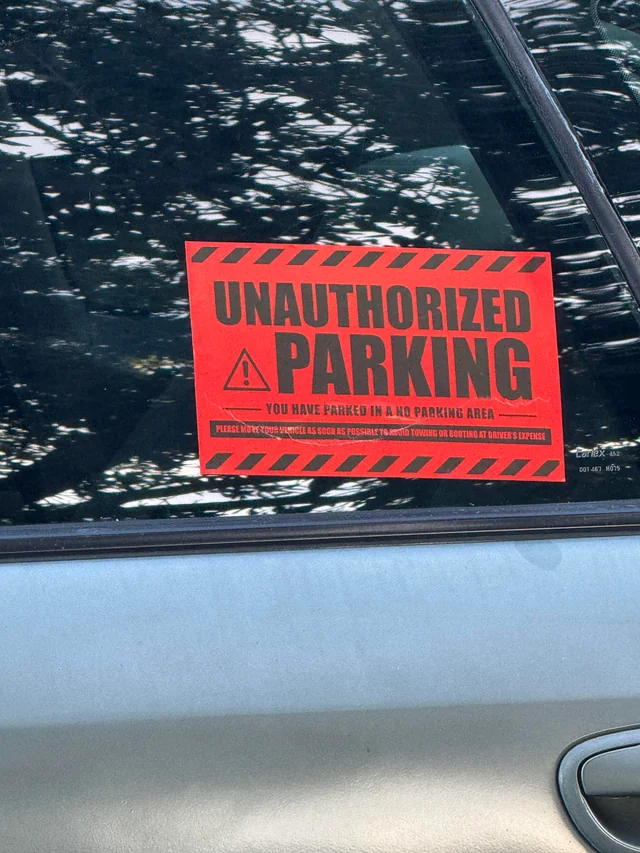
Credit: www.reddit.com
Hoa Parking And Vehicle Limits
Homeowners Associations (HOAs) often set rules about parking and vehicle limits. These rules can affect car detailing businesses operating in neighborhoods. Understanding these limits helps avoid conflicts with the HOA and neighbors. It also ensures the business runs smoothly without breaking any community rules.
Restrictions On the Number Of Vehicles
Many HOAs limit the number of vehicles allowed per property. This includes cars used for personal or business purposes. Car detailing businesses may find these limits strict. Too many vehicles parked for the business can lead to complaints. Some HOAs allow only a few cars to be parked outside. Exceeding this number might result in fines or warnings.
Rules On Parking Spaces
HOAs often require vehicles to be parked in designated spaces. Parking on the street or lawn is usually prohibited. For car detailing businesses, this means using only assigned driveways or garages. Blocking neighbors’ parking or common areas is not allowed. Keeping vehicles neatly parked avoids HOA penalties. It also helps maintain the neighborhood’s clean and organized look.
Environmental And Safety Concerns
Environmental and safety concerns play a major role in HOA restrictions on car detailing businesses. These concerns protect the neighborhood’s health and well-being. HOAs aim to reduce risks linked to water pollution, noise, and traffic. Understanding these factors helps explain why many HOAs limit or prohibit car detailing activities within their communities.
Water Pollution From Car Washing
Car washing can release harmful chemicals into the environment. Soaps, oils, and dirt often run off into storm drains. These drains usually lead directly to local waterways. Contaminated water harms plants, animals, and the ecosystem. HOAs worry about this pollution damaging neighborhood ponds and streams.
Many HOAs ban car washing to prevent water pollution. They encourage the use of commercial car washes. These facilities treat wastewater properly before releasing it. Home-based car detailing may lack this safety step, increasing pollution risk.
Noise And Traffic Impact
Car detailing businesses generate noise from equipment and customer traffic. Vacuum cleaners, pressure washers, and generators create loud sounds. This noise disturbs neighbors and lowers the quality of life. HOAs want to keep neighborhoods quiet and peaceful.
Increased traffic from customers and suppliers adds safety concerns. More vehicles can block streets and reduce parking availability. This increase also raises the chance of accidents near homes. HOAs often restrict car detailing businesses to control noise and traffic problems.
Enforcement And Penalties
Enforcement and penalties play a crucial role in managing car detailing businesses within HOA neighborhoods. These rules ensure the community stays orderly and peaceful. Violations of HOA guidelines on car detailing can lead to fines and other penalties. Understanding how enforcement works helps residents and business owners avoid trouble.
Hoa Fines And Violations
HOAs set clear rules about car detailing in their neighborhoods. Breaking these rules can result in fines. The amount depends on the severity and frequency of the violation. Some HOAs charge daily fines until the problem is fixed. Repeat offenses may lead to higher penalties or legal action. Fines encourage compliance and protect community standards.
Process For Addressing Complaints
Neighbors can report car detailing activities that break HOA rules. The HOA reviews complaints and investigates the issue. They notify the homeowner about the violation. The homeowner gets a chance to correct the problem. If ignored, the HOA may impose fines or take further steps. This process ensures fairness and clear communication.
Alternatives For Car Detailers
Car detailers face challenges due to HOA restrictions in neighborhoods. These rules often limit or forbid operating a business at home. Finding alternatives helps detailers continue working without breaking HOA rules. Exploring other options keeps the business running smoothly and respects community guidelines.
Operating Offsite Locations
One effective alternative is using off-site locations for car detailing. Renting a commercial space or partnering with local businesses offers a legal place to work. These spots provide the right facilities and avoid HOA conflicts. Offsite locations also attract more customers who prefer professional settings. This option supports growth while keeping neighborhood peace.
Mobile Detailing Services
Mobile detailing is a flexible choice for many car detailers. It allows service at customers’ homes or workplaces without a fixed business site. Mobile services require minimal equipment and no permanent setup. This method respects HOA restrictions since no business activity happens in the neighborhood. Mobile detailing expands reach and fits busy customer lifestyles.
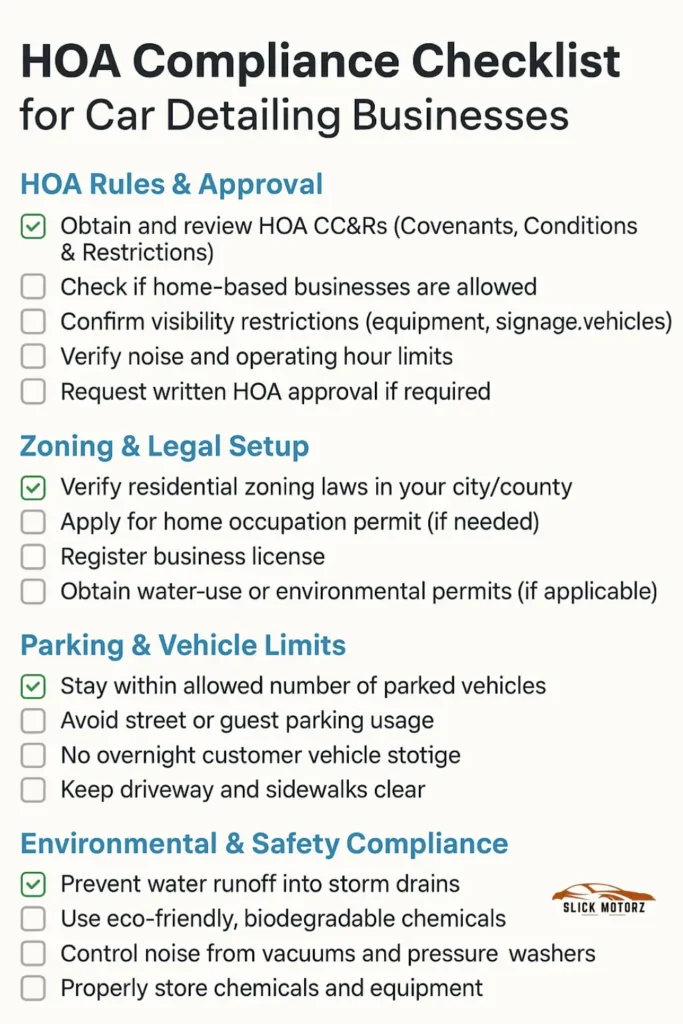
Tips For Compliance
Following HOA rules is essential for car detailing businesses in neighborhoods. It helps avoid conflicts and fines. Simple steps ensure your business stays within the community guidelines. Clear understanding and communication make compliance easier.
Reviewing Hoa Covenants
Start by getting a copy of the HOA covenants. These documents list all rules and restrictions. Look for any mention of home businesses or car detailing. Pay attention to parking rules and noise limits. Knowing the rules helps you plan your business activities. It prevents surprises and penalties later on.
Communicating With Neighbors And Hoa Board
Talk to your neighbors about your car detailing business. Explain your work hours and noise levels. Ask if they have concerns and listen carefully. Notify the HOA board about your plans. Seek their advice and approval if needed. Open communication builds trust and reduces complaints. It creates a friendly environment for your business.
Frequently Asked Questions
Can You Have A Business In an HOA Community?
HOAs often restrict businesses that disrupt the community. Small home offices usually comply, but car detailing or high-traffic businesses may face bans. Always review your HOA rules before starting any business in the community.
What Business Category Does Car Detailing Fall Under?
Car detailing falls under the automotive services category, specifically in auto maintenance and cleaning businesses.
Do You Need A Permit To Be A Car Detailer?
Yes, car detailers need a business license from local or state authorities. Check zoning laws and HOA rules for home-based operations.
Can I Run A Detailing Business From Home?
You can run a detailing business from home if local zoning laws and HOA rules allow it. Obtain necessary permits and licenses. Ensure your business does not disrupt neighbors or violate community restrictions. Always check with your city and HOA before starting to avoid legal issues.
Conclusion
HOA rules often limit car detailing businesses in neighborhoods. These rules protect the community’s appearance and reduce noise or traffic. Always check your HOA’s guidelines before starting a car detailing business at home. Getting proper permits and licenses is important, too.
Respecting these rules helps avoid fines and conflicts with neighbors. Running a business smoothly means following both HOA and local laws. This keeps your neighborhood peaceful and your business legal. Understanding restrictions early saves time and stress later on. Stay informed and plan carefully for success within HOA limits.