Keeping your car’s leather interior in top shape isn’t just about looks. For daily drivers, leather seats face constant wear, UV rays, sweat, spills, and friction. Over time, even premium leather can fade, crack, or lose its soft feel. A careful routine can protect your investment and make every drive more comfortable.
But many people miss key steps, use the wrong products, or neglect simple habits that make a big difference. This guide dives deep into the best leather care routine for daily drivers, with practical advice, real examples, and honest comparisons—so your leather always stays fresh, flexible, and beautiful.
Understanding Leather In Daily Drivers
Most modern cars use top-grain leather or full-grain leather for seats. These leathers are strong, but their surface is often coated with a thin protective layer. This coating helps resist stains and moisture, but it doesn’t make leather maintenance-free.
Daily drivers face unique challenges:
- Constant sitting and moving causes friction
- Sun exposure fades color and dries leather
- Sweat and body oils seep into the surface
- Food, drinks, and dirt enter the pores
A common mistake is thinking leather is “sealed” and doesn’t need care. In reality, even coated leathers absorb oils and lose moisture over time. Skipping care leads to cracks, stiffness, and dullness.
Types Of Leather Used In Cars
| Leather Type | Feel | Durability | Care Needs |
|---|---|---|---|
| Full-grain | Soft, natural | High | Regular cleaning & conditioning |
| Top-grain | Smooth, uniform | Medium to high | Moderate care |
| Bonded | Less soft | Low | Minimal care, but wears quickly |
| PU (Synthetic) | Very smooth | Varies | Basic cleaning, rarely conditioning |
Knowing your leather type helps you choose the right products and routine. Genuine leathers always benefit from conditioning, while synthetics mainly need cleaning.
Essential Leather Care Products
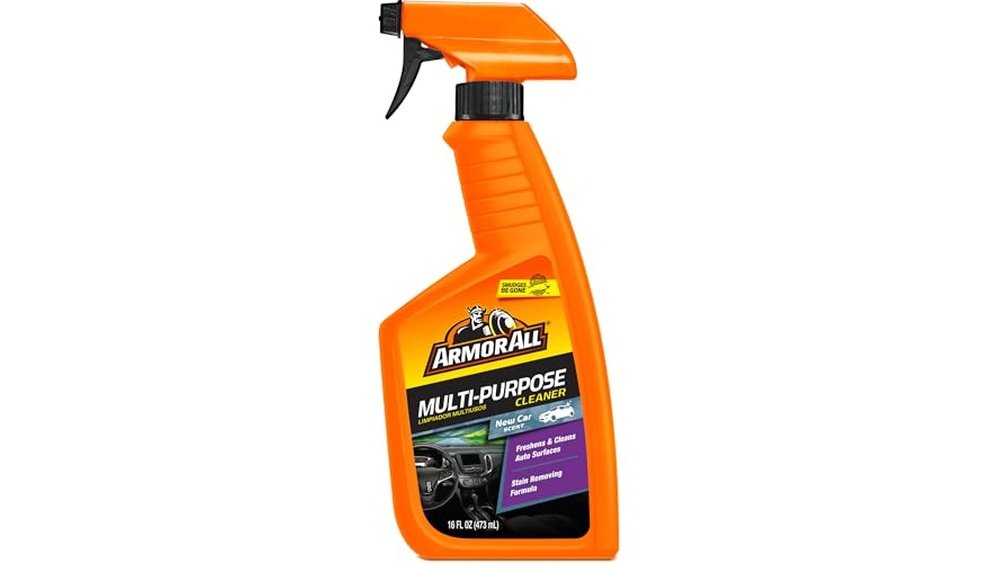
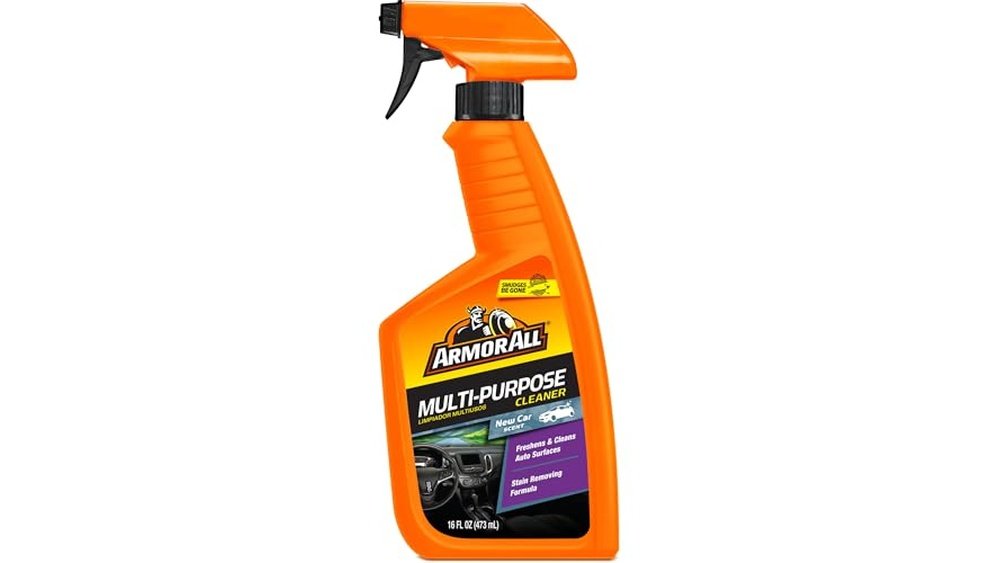
The right products make a huge difference. Many beginners buy “all-in-one” sprays, but these rarely clean deeply or nourish leather.
Key products for daily drivers:
- Leather cleaner: Removes dirt, oils, and stains without harming leather.
- Leather conditioner: Restores moisture, keeps leather supple, prevents cracks.
- Protectant: Shields against UV rays and spills, especially useful for sun-exposed interiors.
- Soft microfiber cloths: Avoids scratching the surface.
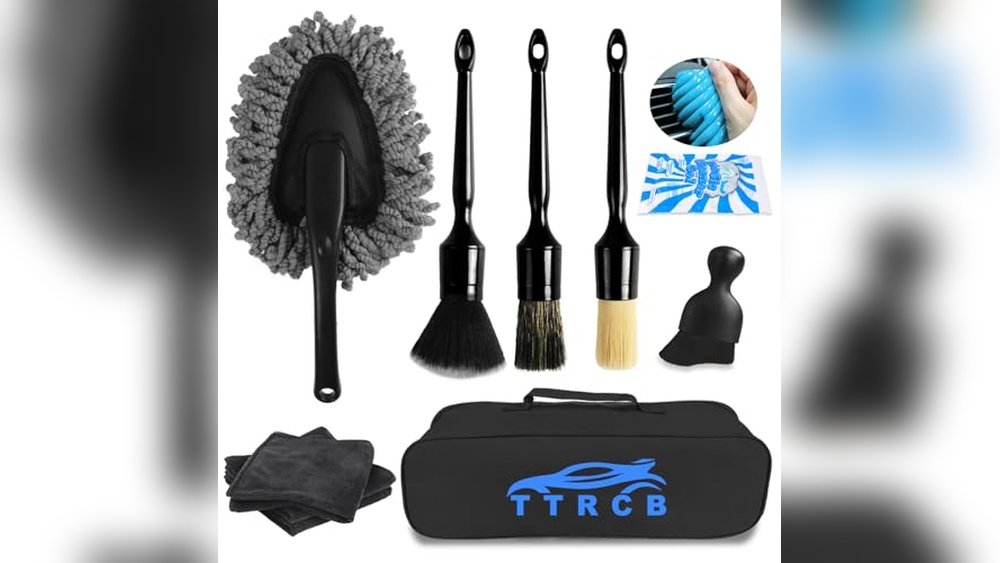
- Leather brush: Gently lifts dirt from textured or perforated leather.
Product Comparison
Here’s a quick comparison of typical leather care products:
| Product Type | Main Function | Frequency | Cost (avg) |
|---|---|---|---|
| Cleaner | Removes dirt & stains | Weekly/biweekly | $8-$20 |
| Conditioner | Moisturizes & protects | Monthly | $10-$25 |
| Protectant | UV & spill shield | After cleaning | $12-$30 |
Pro tip: Avoid products with silicone, petroleum, or wax—they can clog pores and cause a sticky finish.

Credit: www.calcarcover.com
Step-by-step Leather Care Routine
A strong routine keeps leather healthy and avoids costly repairs. Here’s how to care for your car’s leather, even if you drive every day.
1. Daily Habits
- Wipe seats with a dry microfiber cloth to remove loose dust and crumbs.
- Avoid sitting with sharp objects (keys, pens) in pockets.
- Try to park in the shade or use sunshades to reduce UV damage.
- If you spill, blot immediately—never rub.
2. Weekly Cleaning
For daily drivers, weekly cleaning is ideal. Dirt and body oils build up fast.
Steps:
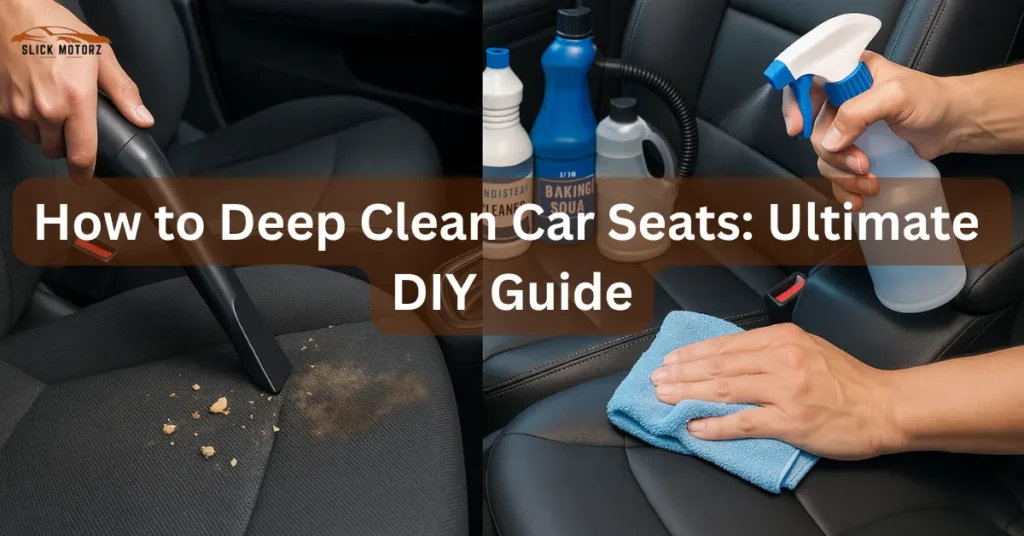
- Vacuum seats gently, especially seams and edges.
- Spray a leather cleaner onto a microfiber cloth (never directly on leather).
- Wipe the surface in gentle circles.
- For tough stains, use a soft leather brush.
- Let seats dry naturally (avoid direct sunlight).
Example: After a week of commuting, you might notice sweat marks or crumbs on the driver’s seat. Cleaning these quickly stops stains from setting in.
3. Monthly Conditioning
Conditioning is the secret to soft, crack-free leather. Many drivers skip this step, thinking cleaning is enough.
How to condition:
- Make sure seats are clean and dry.
- Apply a small amount of leather conditioner to a fresh cloth.
- Rub conditioner into the leather, focusing on high-wear areas (driver’s seat, bolsters).
- Let absorb for 10–15 minutes.
- Buff off any excess with another cloth.
Non-obvious insight: Conditioning also protects the stitching and piping, which can dry out and break if neglected.
4. Protect Against Sun And Spills
If your car sits outside often, UV protectant is essential. It keeps leather from fading and drying.
How to apply:
- After cleaning and conditioning, spray a protectant onto a cloth.
- Wipe evenly across all surfaces, including headrests and armrests.
- Let dry before sitting.
Data: Studies show unprotected leather fades up to 40% faster under direct sunlight. Protectant can extend color life by years.
5. Addressing Problem Areas
Some spots wear faster, like the driver’s seat edge or armrest. Check these areas for dryness, color loss, or cracking. If you see early signs, repeat conditioning and protectant steps.
Pro tip: For perforated leather, use less product to avoid clogging holes. Always buff gently.
Common Mistakes Daily Drivers Make
Many daily drivers unknowingly damage their leather. Here are the most frequent mistakes and how to avoid them.
- Using household cleaners: These can strip natural oils and cause fading.
- Skipping conditioning: Leads to dryness and cracks, especially in high-use areas.
- Neglecting spills: Fast action prevents permanent stains.
- Over-wetting: Too much moisture can cause mold and weaken leather.
- Using rough cloths or brushes: Scratches the surface and ruins the finish.
- Parking in direct sunlight: UV rays break down leather fibers quickly.
- Applying products directly to leather: Always use a cloth to avoid over-saturation.
Non-obvious insight: Many beginners believe “leather wipes” are enough. While convenient, they rarely clean deeply or condition properly.

Credit: www.edmarktoyota.com
Advanced Tips For Long-term Leather Health
If you want your car’s leather to look great for years, add these advanced steps.
Deep Cleaning Every 6 Months
Even with regular care, dirt can build up deep in the pores.
- Use a dedicated leather cleaning kit with a deep-cleaning solution.
- Follow with conditioner and protectant.
- For stubborn stains, try a steam cleaner (but test a small area first).
Professional Restoration
If your leather is badly cracked or faded, consider professional restoration. Experts can recolor, fill cracks, and add protective coatings. This service costs $100–$300 per seat, but can make old interiors look new.
Monitoring Humidity
Leather likes a balanced environment. Extreme dryness or humidity can cause issues.
- If you live in a dry climate, condition more often.
- In humid areas, wipe seats regularly to prevent mold.
Seat Covers For Extra Protection
If you often drive with pets or kids, use breathable seat covers. Remove and clean them weekly.
Comparing Leather Vs. Other Materials In Daily Drivers
Why care so much about leather? Here’s how leather stacks up against other common seat materials.
| Material | Comfort | Durability | Maintenance | Resale Value |
|---|---|---|---|---|
| Leather | High | High with care | Moderate | Premium |
| Cloth | Medium | Medium | Easy | Standard |
| Vinyl | Low | High | Easy | Low |
Leather adds comfort and value, but only if it’s cared for. Neglected leather can look worse than cloth or vinyl.
How Weather Affects Leather Care
Every climate brings unique challenges for daily drivers.
Hot And Sunny
- Leather dries and cracks faster.
- UV protection is crucial.
- Condition often, park in shade.
Cold And Wet
- Moisture can cause mold.
- Salt from shoes may stain leather.
- Clean and dry seats regularly.
Humid
- Risk of sticky feel and mold.
- Use less conditioner, wipe seats often.
Example: In Arizona, leather can dry out in weeks without conditioning. In Florida, humidity means seats need extra cleaning to prevent mold.
Choosing The Best Leather Care Brands
With so many products, how do you pick the best? Look for brands with strong reputations, clear ingredient lists, and proven results.
Popular brands for daily drivers include:
- Lexol: Gentle, effective cleaner and conditioner
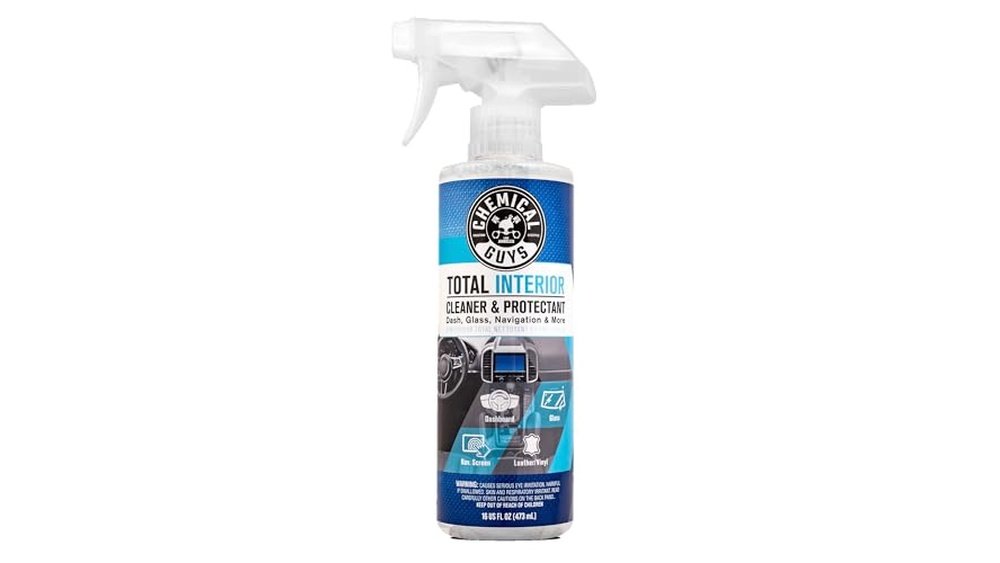
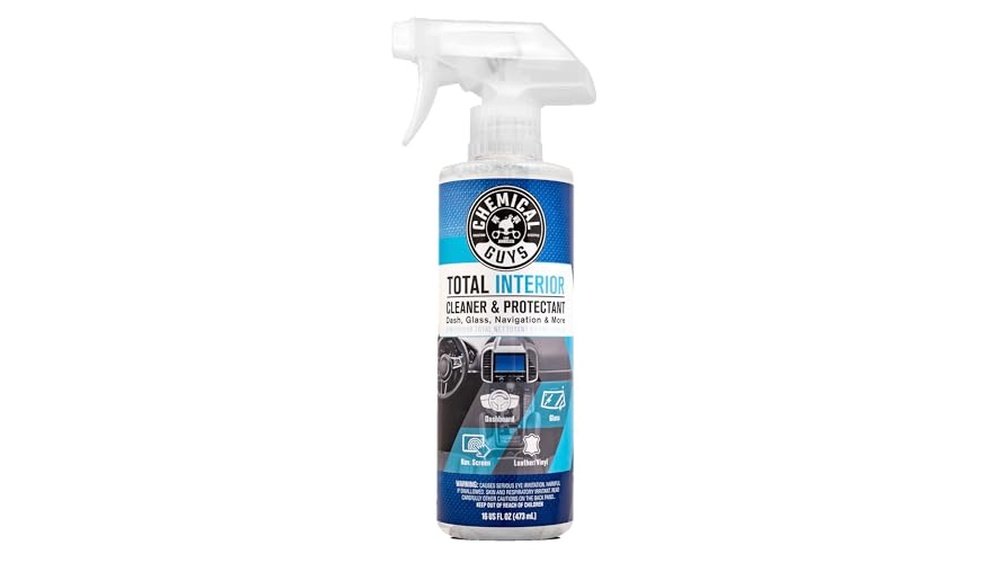
- Chemical Guys: Broad range, good for deep cleaning
- Meguiar’s: Trusted for protectants and maintenance
- Leather Honey: Natural, long-lasting conditioner
Always check reviews and test a small area first.
Real-life Example: Daily Driver Leather Care
Let’s look at a typical daily driver—a 2018 Toyota Camry with beige leather seats. The owner commutes 40 miles a day and parks outside.
Routine:
- Daily: Quick wipe with microfiber, use sunshade
- Weekly: Vacuum and clean seats with Lexol cleaner
- Monthly: Condition seats, focus on driver’s seat edge
- Every 6 months: Deep clean, reapply UV protectant
After 3 years, seats show minimal wear, no cracks, and strong color. The owner avoids household cleaners and never skips conditioning.
Leather Care Myths Busted
Some myths persist among car owners. Let’s clear them up.
- Myth: Leather is waterproof and doesn’t absorb spills.
- Truth: Even coated leather absorbs liquids if left too long.
- Myth: All leather cleaners are safe.
- Truth: Some contain chemicals that cause fading or stickiness.
- Myth: Conditioning makes seats slippery.
- Truth: If applied correctly and buffed, conditioner leaves seats soft, not slippery.
- Myth: Leather wipes are all you need.
- Truth: They’re good for quick cleaning, but don’t replace deep cleaning or conditioning.

Credit: vintagemodern.co
Sustainable Leather Care Choices
Eco-friendly leather care is possible. Choose products with biodegradable ingredients and avoid harsh chemicals. Use reusable cloths, and recycle packaging. Brands like Leather Honey and Meguiar’s offer greener options.
When To Replace Leather Instead Of Repairing
Sometimes, leather is too damaged to save. Signs it’s time to replace:
- Deep cracks and tears
- Faded color that can’t be restored
- Mold growth inside the foam
Seat reupholstery costs $300–$700 per seat, but can renew your car’s interior.
Frequently Asked Questions
How Often Should I Condition My Car’s Leather Seats?
For daily drivers, condition every 4–6 weeks. If your climate is dry or you use the car heavily, condition monthly. This keeps leather soft and prevents cracks.
Can I Use Household Products On Leather Seats?
No, avoid household cleaners or soaps. They can strip oils and damage leather. Always use products designed for automotive leather.
What’s The Best Way To Remove Stains From Leather?
Blot spills immediately. For tough stains, use a leather cleaner and a soft brush. Avoid rubbing too hard. If stains persist, try a deep-cleaning kit or seek professional help.
How Can I Protect Leather From Sun Damage?
Use a UV protectant, park in shade, and use sunshades. Regular conditioning also helps prevent fading and drying caused by sunlight.
Are Leather Seat Covers A Good Idea For Daily Drivers?
Yes, if you drive with pets or kids, seat covers protect against spills and scratches. Choose breathable covers and remove them weekly for cleaning.
Final Thoughts
Daily drivers demand a smart leather care routine—one that goes beyond quick cleaning and keeps seats healthy, soft, and stylish. With the right products, habits, and awareness of your car’s leather type, you can extend the life of your interior by years.
Remember, conditioning is as important as cleaning, and sun protection is often overlooked. Invest in quality products, avoid shortcuts, and pay attention to problem areas. Your car will reward you with lasting comfort and value, every time you drive.
For more detailed information about leather care and maintenance, visit the Car Care Council.