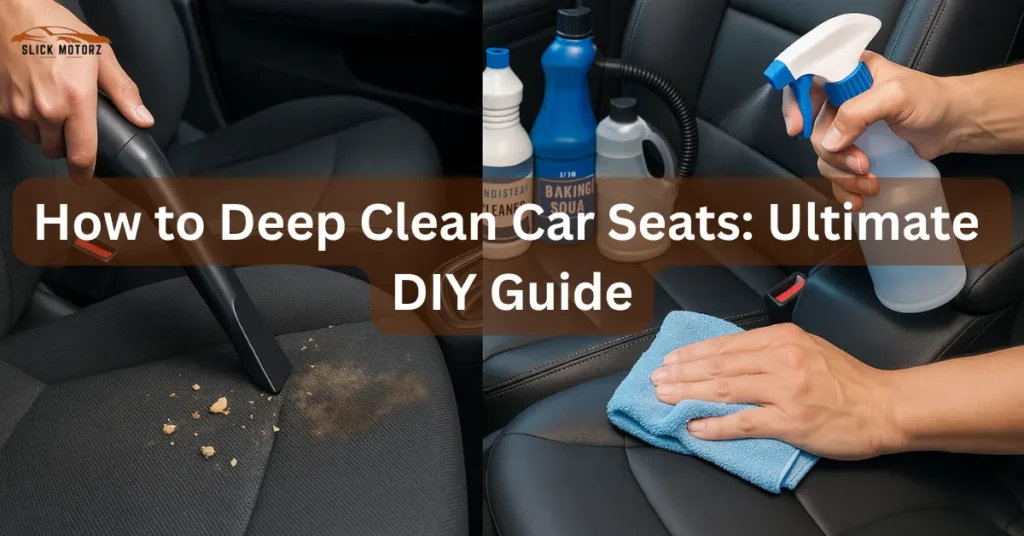
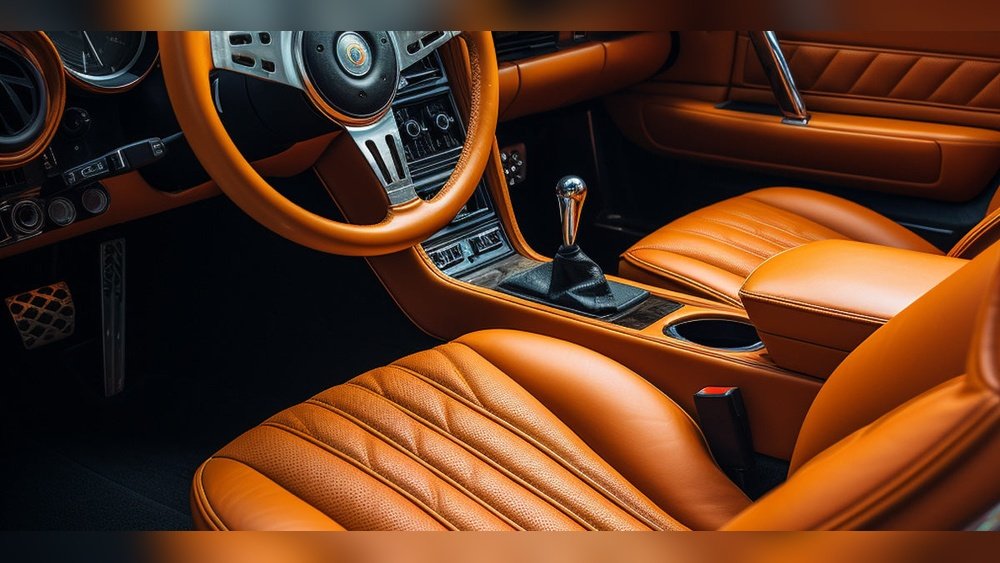
Luxury cars are more than just vehicles—they are symbols of style, comfort, and status. The leather seats inside these cars add to their premium feel, but keeping them clean and well-maintained is a challenge many owners face. Dust, spills, sweat, and daily use can make the leather look worn and dull. If you want your luxury car’s interior to stay beautiful and last longer, knowing how to clean leather seats the right way is essential. Many people worry about damaging the leather, using the wrong products, or leaving stains behind. With the right steps and knowledge, you can protect your investment and enjoy the comfort of pristine leather seats for years.
Understanding Leather In Luxury Cars
Leather in luxury cars is not just any leather. Most brands use top-grain or full-grain leather, which are high-quality and durable. These types are soft, flexible, and offer a natural texture. However, they are also sensitive to chemicals, moisture, and sunlight.
Types Of Leather Used
- Full-grain leather: The highest quality, with minimal processing. It feels natural and ages well.
- Top-grain leather: Slightly processed for smoothness, common in luxury vehicles.
- Nappa leather: Extra soft and supple, often used in premium models.
- Aniline leather: Dyed without a protective topcoat, showing natural grain but more vulnerable.
Knowing your car’s leather type helps you choose the right cleaning methods and products. For example, aniline leather needs gentler care compared to top-grain varieties.
Leather Coating And Protection
Most luxury car seats have a thin polyurethane coating to protect the leather. This coating helps resist stains but can wear off over time. Harsh cleaning can damage both the coating and the leather beneath. Always use products designed for automotive leather.
Why Cleaning Matters
Dirty leather seats not only look bad—they can crack, fade, and even develop odors. Leather absorbs oils from skin, hair products, sweat, and spills. Over time, these oils break down the leather, leading to permanent damage.
Data: Leather Seat Wear
A study by the International Leather Institute found that uncleaned car leather loses up to 40% of its strength in 3 years. Regular cleaning can extend leather life by up to 70%, saving thousands in repairs or replacements.
Common Problems From Neglect
- Discoloration: Sun and dirt cause fading.
- Cracks: Dry leather cracks easily.
- Odor: Sweat and spills create smells.
- Sticky texture: Oils and dirt build up.
Preventing these issues starts with a proper cleaning routine.
Preparing To Clean: Tools And Materials
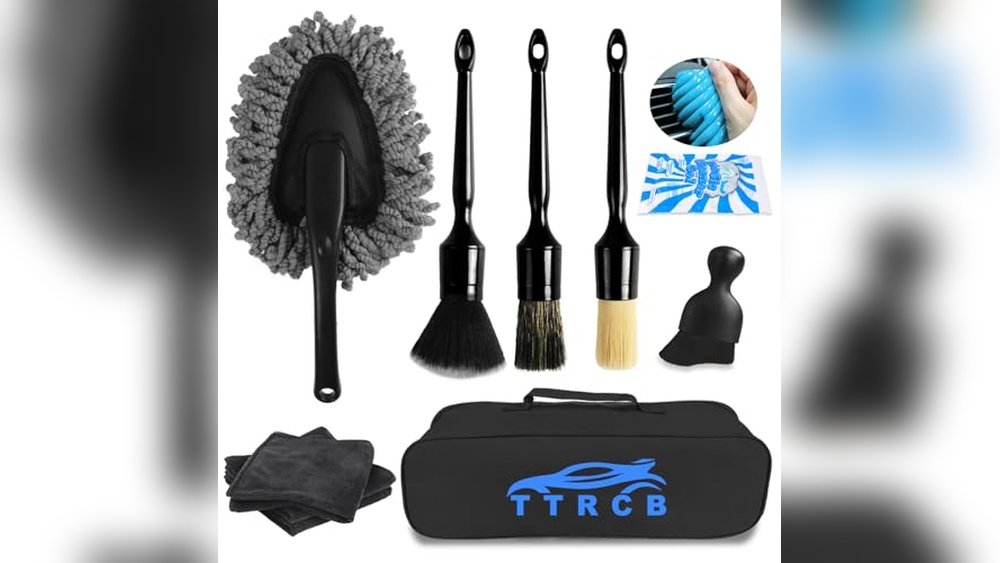
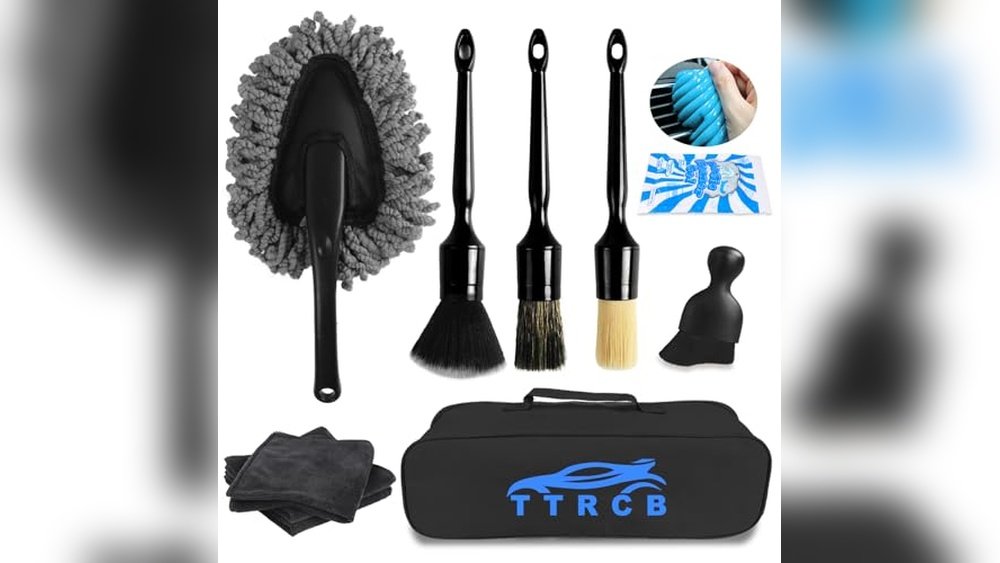
Cleaning leather seats doesn’t require expensive tools, but using the right ones makes a big difference. Here’s what you’ll need:
- Vacuum with soft brush attachment
- Microfiber cloths (at least 3)
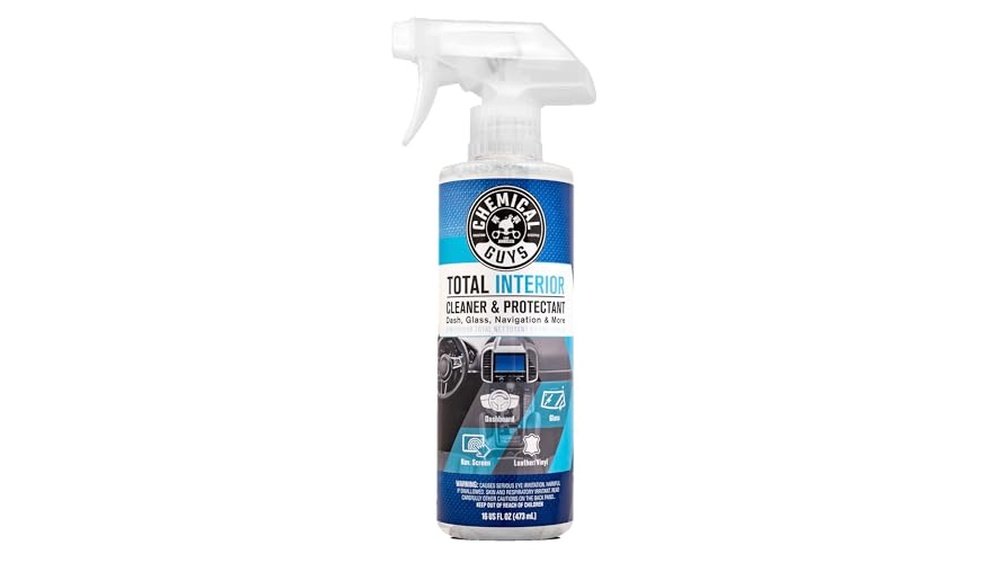
- Leather cleaner (pH-balanced)
- Leather conditioner
- Soft-bristle detailing brush
- Distilled water (for mixing and rinsing)
- Spray bottle (optional for dilution)
- Disposable gloves (protect hands)
- Cotton swabs (for small crevices)
Avoid using household cleaners, alcohol wipes, or paper towels. These can scratch or dry out the leather.
Step-by-step Guide To Cleaning Leather Seats
Cleaning leather seats in a luxury car is a careful process. Follow these steps for safe, effective results.
1. Remove Loose Dirt
Begin by using a vacuum with a soft brush attachment. Gently vacuum the seats, paying attention to seams, stitching, and corners. This removes dust, crumbs, and debris that can scratch the leather when wiped.
2. Inspect For Damage
Look for cracks, tears, or stains. If you find deep cracks or damaged areas, avoid scrubbing or using cleaners. These spots may need professional repair.
3. Apply Leather Cleaner
Spray or apply a small amount of pH-balanced leather cleaner onto a microfiber cloth, not directly onto the seat. Gently wipe one section at a time. Use circular motions for best results.
Pro tip: Test the cleaner in an invisible area first to check for color changes or reactions.
4. Agitate With A Brush
For stubborn dirt or stains, use a soft-bristle detailing brush. Work the cleaner into the leather gently, focusing on seams and textured areas. Do not press too hard, as this can damage the surface.
5. Wipe Away Residue
Take a clean, dry microfiber cloth and wipe away any leftover cleaner and loosened dirt. Repeat this step for all sections.
6. Rinse (if Needed)
If your cleaner requires rinsing, use a slightly damp microfiber cloth with distilled water. Avoid soaking the leather; damp is enough.
7. Dry Thoroughly
Let the seats air dry for 15-30 minutes. Do not use heat guns or hair dryers, as they can dry out and crack the leather.
8. Apply Leather Conditioner
Once dry, apply a small amount of leather conditioner to a microfiber cloth. Rub gently into the leather, covering all areas. Conditioner restores moisture and keeps the leather soft.
Expert insight: Leather conditioner should be used every 2-3 months, not after every cleaning. Over-conditioning can make the leather sticky.
9. Buff And Finish
After applying conditioner, wait 10 minutes, then buff the seats with a clean microfiber cloth. This leaves a smooth, matte finish.

Credit: www.edmontonbmw.com
Comparison Table: Leather Cleaner Vs Household Cleaner
Many people try to use household products to clean leather seats. Here’s a comparison to show why automotive leather cleaners are better.
| Product Type | Effectiveness | Risk of Damage | Residue Left |
|---|---|---|---|
| Automotive Leather Cleaner | High | Low | None |
| Household Cleaner | Medium | High | Sticky or Dry |
| Soap & Water | Low | Medium | Soap Film |
| Alcohol Wipes | Low | Very High | Dry, Cracked |
Dealing With Tough Stains
Some stains are harder to clean than others. Here’s how to handle common tough stains without damaging your luxury car’s leather seats.
Grease And Oil
For grease or oil stains, sprinkle a small amount of cornstarch or talcum powder on the spot. Let it sit for 2-3 hours, then gently brush off. Follow with leather cleaner. Never use water first—oil spreads.
Ink
Ink stains are tricky. Use a cotton swab dipped in rubbing alcohol and gently dab, not rub, the spot. Immediately follow with leather cleaner and conditioner. Avoid using too much alcohol.
Dye Transfer
Sometimes, blue jeans or colored clothing leave dye on seats. Use a specialized dye remover made for automotive leather. Test first on a hidden area.
Food And Beverage
Blot the spill quickly with a microfiber cloth. Use leather cleaner right away. Avoid scrubbing, as this can push the stain deeper.
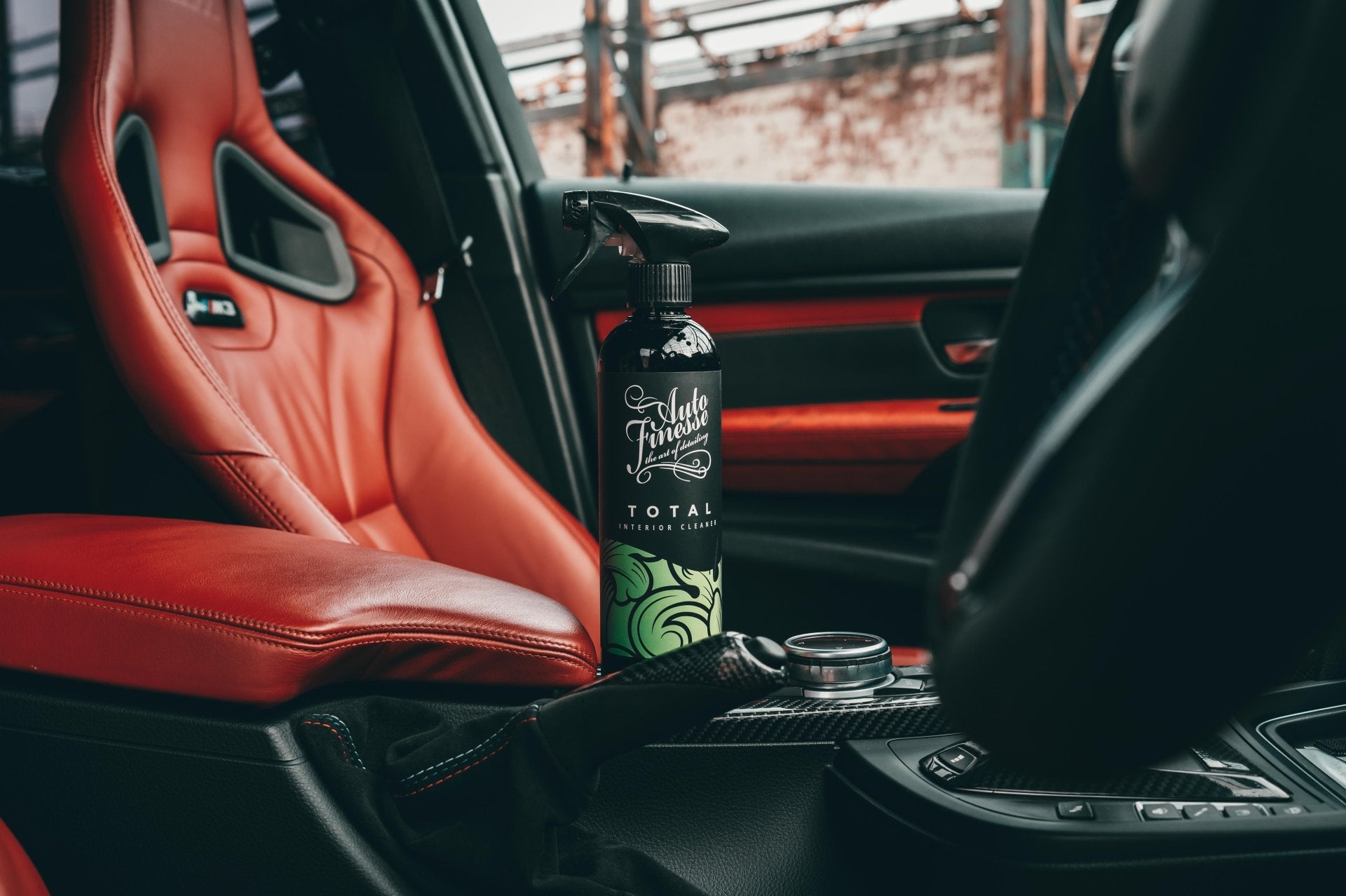
Credit: www.autofinesse.com
Comparison Table: Common Stains And Best Cleaning Methods
| Stain Type | Best Cleaning Method | Risk Level | Extra Care Tips |
|---|---|---|---|
| Grease/Oil | Cornstarch, then cleaner | Medium | Avoid water first |
| Ink | Alcohol swab, then cleaner | High | Test area first |
| Dye Transfer | Dye remover | High | Use automotive product |
| Food/Beverage | Blot, then cleaner | Low | Quick action |
Maintaining Leather Seats After Cleaning
Cleaning is not the end—maintenance is key to keeping leather looking new. Here are practical steps to preserve your luxury car’s seats.
Regular Dusting
Use a microfiber cloth once a week to wipe seats. This prevents dust from settling and becoming abrasive.
Conditioning
As mentioned, use leather conditioner every 2-3 months. Too much conditioner can attract dirt.
Sun Protection
Direct sunlight dries and fades leather. Park in shade, use window shades, or apply UV protectant sprays designed for automotive interiors.
Avoiding Harsh Contact
Sharp objects, keys, and metal buttons can scratch leather. Be mindful when entering and exiting your car.
Data: Sun Exposure Impact
According to a study by Car Interior Research Group, seats exposed to sunlight for 3 hours a day lose 30% of their color within 2 years. Protecting seats from sunlight is as important as cleaning.
Practical Tips For Busy Owners
If you don’t have time for deep cleaning, these quick tips can help keep your leather seats in good shape.
- Carry a microfiber cloth in your glove box for quick wipe-downs.
- Vacuum once a month to remove dirt before it settles.
- Spot clean spills immediately to prevent stains.
- Set a reminder every 3 months for conditioning.
- Rotate seat usage if possible to avoid uneven wear.
Mistakes To Avoid When Cleaning Leather Seats
Even careful owners make mistakes that can ruin leather. Here are the most common errors—and how to avoid them.
Using Wrong Products
Never use bleach, ammonia, vinegar, or window cleaners. These strip natural oils and damage leather.
Scrubbing Too Hard
Aggressive scrubbing can remove the protective layer and scratch the surface. Gentle motions are best.
Over-wetting
Leather absorbs water quickly. Too much moisture causes swelling, warping, and mold.
Skipping Conditioner
After cleaning, leather needs moisture. Skipping conditioner leaves it dry and vulnerable.
Not Testing Products
Always test cleaners and conditioners in a hidden spot. Some products cause discoloration or stickiness.
Professional Cleaning Vs Diy: Which Is Better?
Some owners prefer professional cleaning, others do it themselves. Here’s a comparison to help you decide.
| Method | Cost | Effectiveness | Risks | Convenience |
|---|---|---|---|---|
| DIY Cleaning | Low ($20-$50) | High (if careful) | Product misuse | Moderate |
| Professional Service | High ($150-$400) | Very High | None (if certified) | High |
Professional services use advanced tools and techniques, ideal for deep cleaning or repairing damage. For regular maintenance, DIY cleaning works well if you use the right products.
Non-obvious Insights For Beginners
Most beginners miss these important points:
- Leather breathes: It absorbs and releases moisture, so over-conditioning or over-cleaning can block pores and cause stickiness.
- Seam areas collect most dirt: Dirt hides in seams and stitching, so pay special attention here.
- Products age differently: Some leather cleaners lose effectiveness if stored for more than a year. Check expiration dates.
Real-world Example: Cleaning A Mercedes S-class Leather Seat
Let’s look at a real case. A 2022 Mercedes S-Class owner noticed dark stains and dullness after six months. He used a vacuum, pH-balanced cleaner, soft-bristle brush, and conditioner. He avoided household products and tested in a hidden area first.
After cleaning, the seats regained their original color and softness. He set up a routine to clean and condition every three months. This simple process prevented cracks and kept the seats looking new for years.
Eco-friendly Cleaning Options
If you prefer environmentally-friendly products, look for plant-based leather cleaners. These use natural surfactants and avoid harsh chemicals. They are safe for both your car and the environment. However, always check if they are suitable for automotive leather.
Where To Find High-quality Leather Care Products
Reliable leather care products can be found at automotive stores, online retailers, or directly from car manufacturers. Look for brands with positive reviews and avoid the cheapest options, as they often use harsh chemicals. For more information, see Consumer Reports.
Frequently Asked Questions
How Often Should I Clean Leather Seats In My Luxury Car?
You should clean leather seats every 1-2 months. If your car is used daily or exposed to lots of dust and sunlight, monthly cleaning is best. Conditioning every 2-3 months keeps the leather soft.
Can I Use Baby Wipes To Clean Leather Seats?
No, baby wipes often contain chemicals not suited for leather. They may leave residue and cause drying or sticky surfaces. Always use automotive leather cleaners.
What Should I Do If My Leather Seats Are Cracking?
If you notice cracks, stop cleaning and apply leather conditioner. Deep cracks may need professional repair. Avoid scrubbing or using cleaners on damaged areas.
Is It Safe To Use Steam Cleaners On Leather Seats?
Steam cleaners can damage leather by overheating and adding too much moisture. They may also strip protective coatings. It’s safer to use microfiber cloths and pH-balanced cleaners.
How Can I Prevent Dye Transfer From Clothing Onto My Seats?
Choose lighter-colored clothing or seat covers if possible. Clean seats regularly and use a dye transfer remover if stains appear. Quick cleaning prevents permanent marks.
Maintaining leather seats in luxury cars is not complicated, but it does require attention and the right products. With proper care, your car’s interior will stay beautiful, comfortable, and valuable for years to come. Clean regularly, condition wisely, and protect from sunlight—and your luxury vehicle will always feel like new.
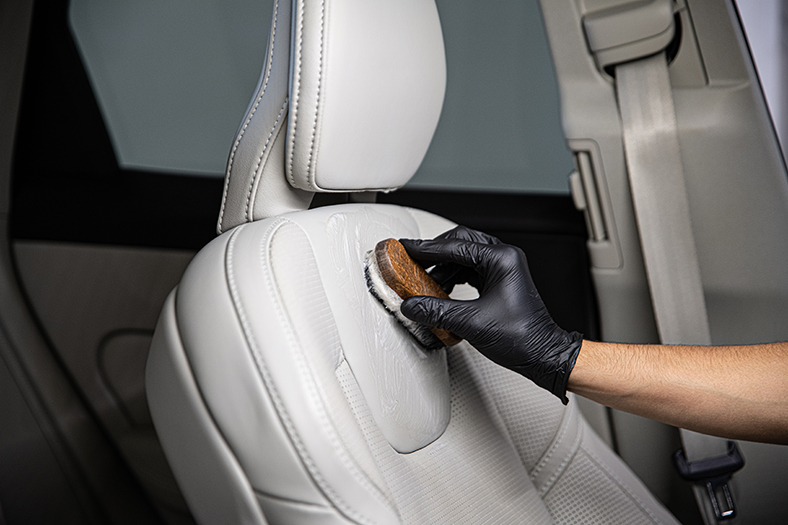
Credit: www.naplesinfiniti.com