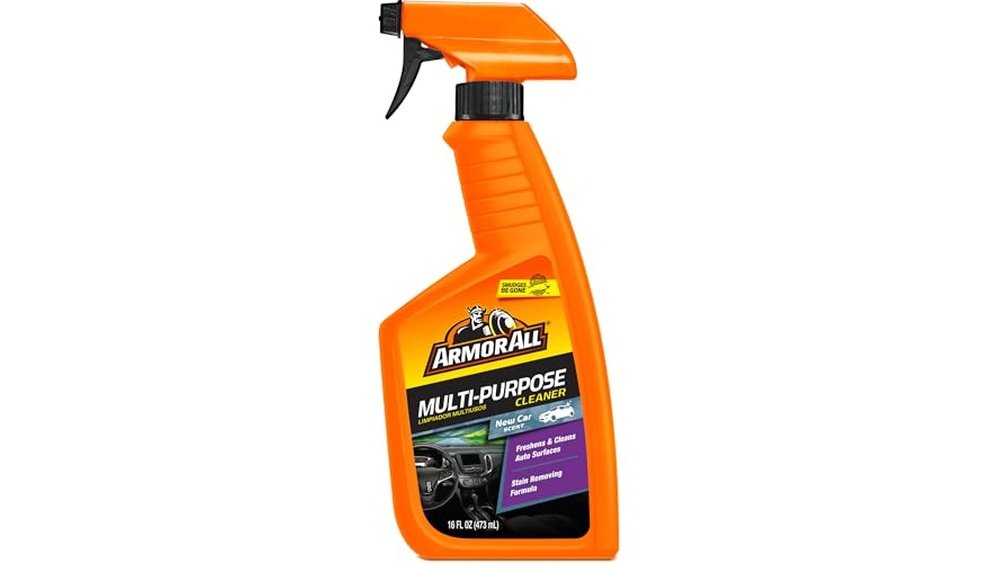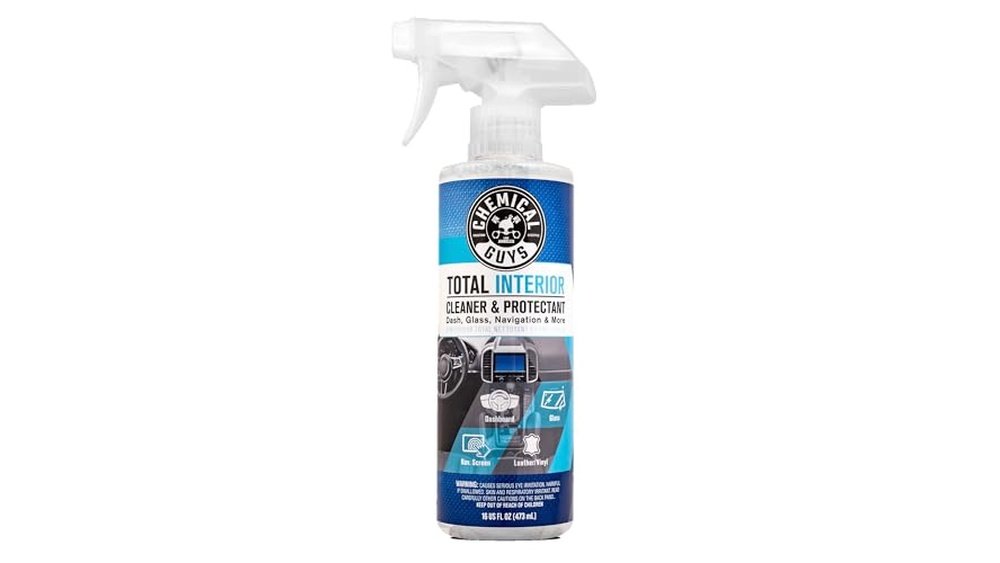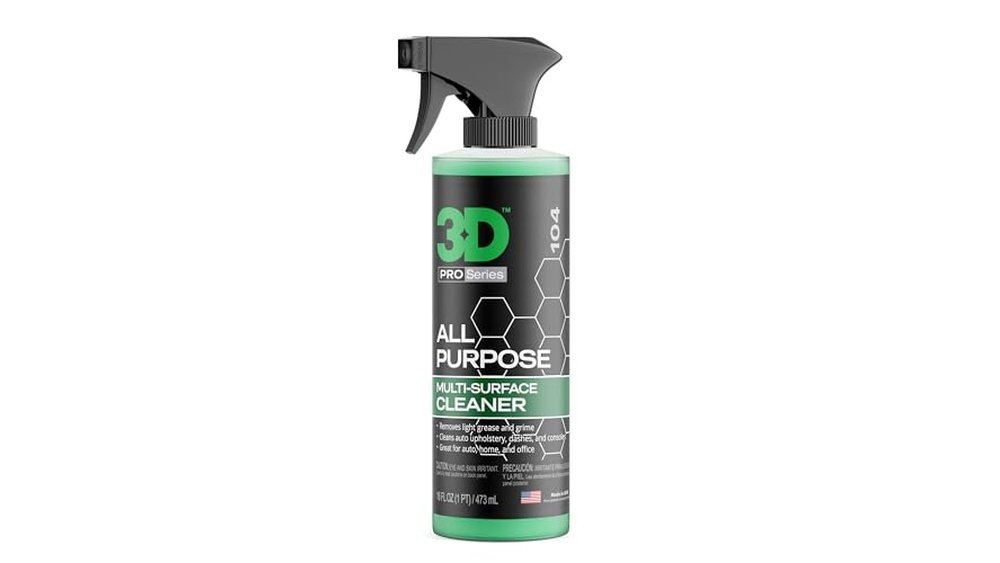
Summer brings bright sunshine, road trips, and good moods. But for car owners with leather seats, summer also means a battle against heat, UV rays, sweat, and spills. Leather, while luxurious and comfortable, is sensitive to high temperatures and sunlight. Left unprotected, it can crack, fade, or become sticky and uncomfortable. This guide gives you everything you need to know about summer car leather seat protection—from cleaning and conditioning to the best covers and practical tips. Whether you’re driving a new sedan or a classic convertible, following these steps can keep your seats looking—and feeling—like new for years.
Why Summer Is Tough On Leather Car Seats
Leather is animal hide. It’s strong, but not invincible. High temperatures can dry out the natural oils in leather, making it brittle. Intense UV rays cause fading and surface cracks. Sweat and sunscreen from passengers can stain or change the leather’s texture.
Studies show that the interior of a parked car can reach over 145°F (63°C) in direct sunlight. At these temperatures, even high-quality leather can age quickly if not cared for. This is why a summer protection routine isn’t just about looks—it prevents expensive repairs or replacements later.
Understanding Leather Types In Cars
Not all automotive leather is the same. Knowing your seat type helps you choose the right cleaning and protection methods.
| Leather Type | Common Features | Care Level Needed |
|---|---|---|
| Full-Grain Leather | Natural look, visible grain, premium feel | High |
| Top-Grain Leather | Smoother surface, less natural grain, often coated | Medium |
| Corrected Grain | Heavily processed, embossed texture | Medium to Low |
| Bonded Leather | Leather scraps + synthetic materials, less durable | Low |
| Leatherette (Synthetic) | Not real leather, plastic-based | Low |
Most luxury brands use full-grain or top-grain leather, while mainstream models may use corrected grain or leatherette. Always check your car manual or ask your dealer if you’re unsure.
Risks Of Not Protecting Leather In Summer
Ignoring leather seat care in summer can lead to:
- Cracking: Heat dries out natural oils, creating deep cracks.
- Fading: UV rays cause color loss and dullness.
- Stiffness: Leather becomes less flexible, uncomfortable, and squeaky.
- Stains and Odors: Sweat, sunscreen, and drinks can stain or leave smells.
- Sticky Feel: Heat and humidity can make seats tacky or sticky to the touch.
Repairs are expensive—a professional leather re-dye or repair can cost $200–$800 per seat. Prevention is much cheaper and easier.
Step-by-step Summer Leather Seat Protection Routine
A good routine is the key to keeping leather seats healthy. Here’s a proven step-by-step process:
1. Thorough Cleaning
Start with a clean surface. Dust, dirt, and oils can break down leather if left too long, especially under the summer sun.
How to clean properly:
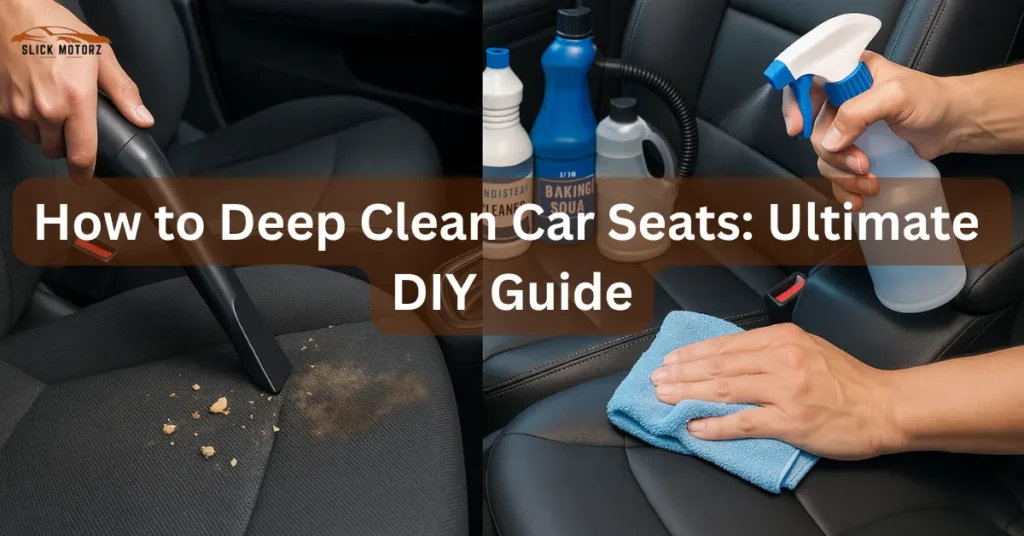
- Vacuum seats with a soft brush attachment to remove sand and grit.
- Use a pH-neutral leather cleaner. Spray on a microfiber cloth, not directly on the seat.
- Gently wipe all areas, including seams and folds.
- For stubborn spots, use a soft-bristle brush.
- Wipe again with a clean, damp cloth to remove residue.
Tip: Never use household cleaners, alcohol, or ammonia on leather—they strip natural oils and cause damage.
2. Conditioning: Restoring Essential Oils
Conditioning replaces the oils lost from heat and UV exposure. This keeps leather soft and flexible.
- Choose a high-quality leather conditioner (avoid those with silicone or petroleum).
- Apply a small amount to a microfiber cloth.
- Rub gently in a circular motion, covering all surfaces.
- Let it soak in for 15–30 minutes, then wipe off any excess.
How often? In summer, condition every 1–2 months for best results.
3. Uv Protection
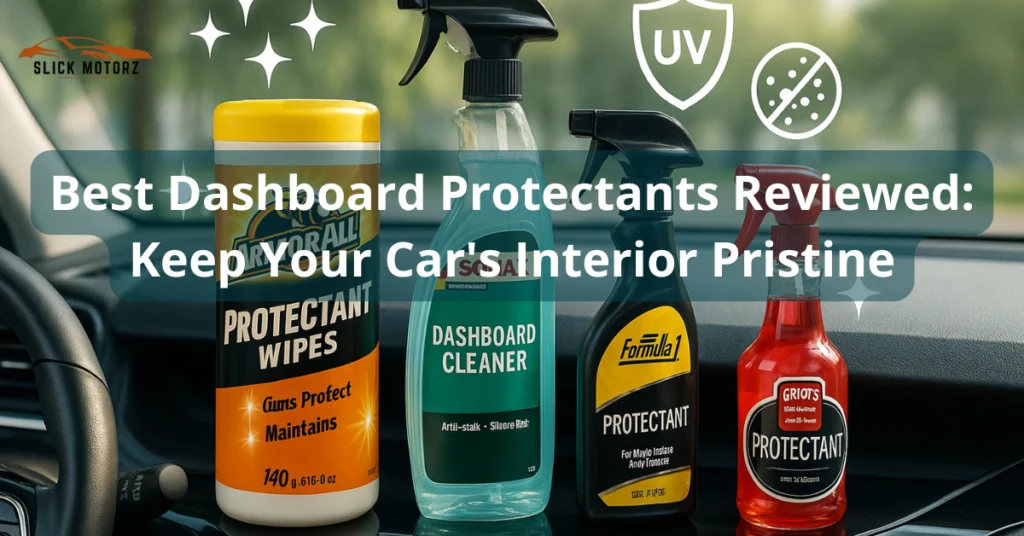
Sunlight is the biggest enemy of car leather. Use a UV-blocking leather protectant after conditioning.
- Spray or rub the protectant over all exposed leather.
- Make sure it fully dries before sitting.
Extra protection: Park in shade, use a windshield sunshade, or window tints (if legal in your area).
4. Quick Daily Habits
- Wipe seats with a dry microfiber cloth after each drive to remove sweat.
- Don’t leave wet towels, swimsuits, or bottles on leather.
- If you spill, blot (don’t rub) with a dry cloth immediately.
5. Seat Covers And Mats
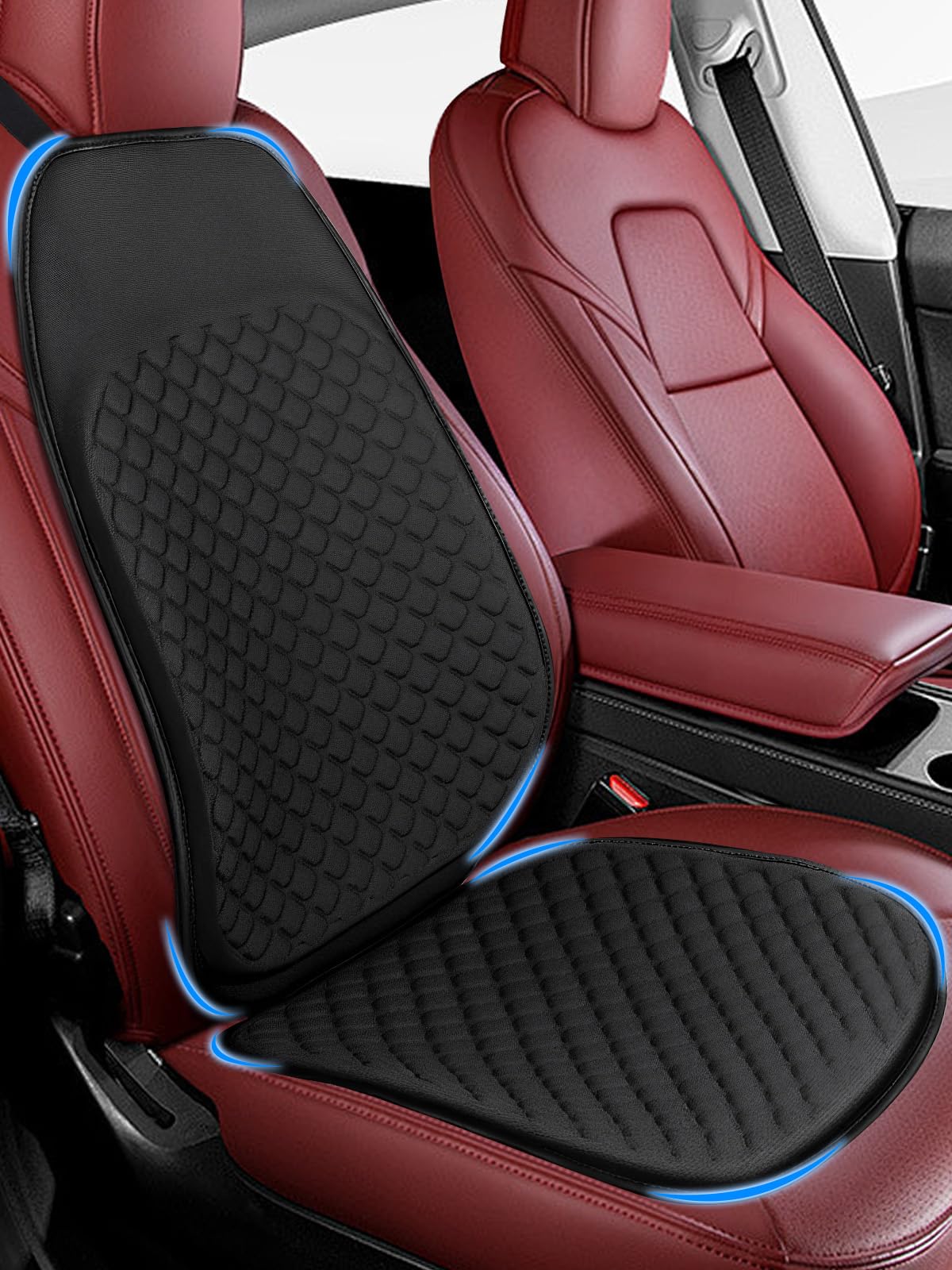
If you expect a lot of sun or messy passengers (kids, pets), consider breathable seat covers. They block direct sunlight and protect against spills. Choose covers labeled “airbag safe” if your seats have side airbags.
Choosing The Right Leather Care Products
Not all products are safe or effective for automotive leather. Here’s how to compare:
| Product Type | What to Look For | What to Avoid |
|---|---|---|
| Leather Cleaner | pH-balanced, residue-free, gentle on dyes | Harsh chemicals, strong perfumes |
| Leather Conditioner | Natural oils, lanolin, beeswax, UV protection | Silicone, petroleum, greasy finish |
| UV Protectant | Blocks UVA/UVB, non-greasy, dries clear | Sticky feel, artificial shine |
| Seat Covers | Breathable, machine washable, airbag compatible | Vinyl (traps heat), poor fit |
Non-obvious insight: Some “all-in-one” sprays can leave a slippery finish, which is dangerous for driving. Always test new products on a small, hidden area first.
How To Park And Store Your Car In Summer
Where you park makes a big difference in seat lifespan during hot months.
- Choose shade whenever possible: Under trees, carports, or garages.
- Use a windshield sunshade to reflect sunlight and keep the cabin cooler.
- Leave windows slightly open (if safe) to let hot air escape.
- For longer periods (vacations, storage), use a full car cover.
Practical tip: If you have to park in open sunlight, cover the seats with a light cotton towel before leaving.
Credit: www.amazon.com
Handling Common Summer Leather Problems
Even with the best routine, problems can happen. Here’s what to do if you notice:
Cracking Or Peeling
- Stop using the seat until repaired.
- Apply a leather restorer with nourishing oils.
- For large cracks, professional repair is best.
Stains From Sunscreen Or Sweat
- Blot the area with a clean, dry cloth right away.
- Use a mild cleaner and wipe gently.
- Don’t scrub—this can push stains deeper.
Sticky Or Oily Feel
- Clean with a proper leather cleaner.
- Avoid using too much conditioner. Less is more.
Insider tip: Always keep a small leather cleaning kit in your car for quick emergencies.
Diy Vs. Professional Leather Care
Some car owners prefer to do everything themselves, while others trust professionals. Here are the main differences:
| Method | Cost | Time Needed | Best For |
|---|---|---|---|
| DIY | $20–$50 per year (for products) | 30–60 minutes monthly | Routine cleaning, light stains, maintenance |
| Professional | $100–$300 per visit | 2–4 hours | Deep cleaning, repairs, color restoration |
Non-obvious insight: Even if you use professionals, you still need to do basic cleaning and protection between visits to prevent long-term damage.
Credit: freesoo-auto.com
Best Practices For Families, Pet Owners, And Rideshare Drivers
Summer brings unique challenges if you have kids, pets, or work for Uber/Lyft.
- Kids: Use booster seat covers and remind kids not to eat messy snacks in the car.
- Pets: Always use a pet seat cover. Wipe paws before letting dogs jump in.
- Rideshare: Keep an extra set of seat covers and a cleaning spray for quick in-between-rides cleanups. Leave a polite sign asking passengers to avoid eating or drinking.
Tip: Consider installing rear window sunshades or tint to reduce sun exposure for back seats.
Myths About Leather Car Seat Care
Many people believe myths that can actually damage leather. Let’s set the record straight:
1. “leather Gets Used To The Heat.”
No—repeated exposure actually weakens and cracks the surface over time.
2. “olive Oil Is A Good Conditioner.”
Wrong. It can cause sticky buildup and attract dirt.
3. “any Household Cleaner Will Work.”
No. Most are too harsh and will fade or dry out leather.
4. “leather Doesn’t Need Uv Protection.”
False. Sunlight is one of the main causes of aging and fading.
5. “once Leather Cracks, It’s Too Late.”
Not always. Small cracks can often be improved with professional care.
Understanding these myths can save you time, money, and frustration.
Eco-friendly And Hypoallergenic Options
Some car owners look for eco-friendly or hypoallergenic products, especially for sensitive skin or allergies.
- Choose cleaners labeled biodegradable and fragrance-free.
- Use natural conditioners like beeswax-based products.
- Avoid sprays with heavy perfumes or dyes.
For example, a beeswax-based conditioner not only conditions but also adds a natural water-repellent layer. This is better for both the environment and your health.
When To Replace Leather Seats
Even with the best care, leather wears out eventually. Signs it’s time for replacement:
- Deep cracks or tears that go through the leather
- Loss of color or shine that can’t be restored
- A sticky, rubbery texture after cleaning and conditioning
Modern reupholstery can match the original color and texture, often at a lower cost than new seats. If you care for your leather well, you can expect 10–15 years of good use in most climates.

Credit: www.seatcoversolutions.com
Real-world Example: Summer In Phoenix Vs. Seattle
Climate matters. Let’s compare two real situations:
- Phoenix, AZ: Summer highs of 110°F (43°C), intense sunlight, low humidity. Leather dries out fast, needs more frequent conditioning and UV protection.
- Seattle, WA: Summer highs of 75°F (24°C), less sun, higher humidity. Leather is at less risk of drying, but mold and musty smells can be issues if the car is left closed up.
Key takeaway: Adapt your leather care routine to your local climate for best results.
Advanced Tips For Long-term Leather Health
- Rotate seat positions if possible (swap driver and passenger cushions).
- Use a car air purifier to reduce odors and airborne particles.
- Check seams and stitching monthly—small tears can be fixed before they grow.
- Never use heat guns or hair dryers to “dry” wet leather; air dry only.
Pro tip: Leather needs to breathe. Don’t cover seats with plastic in summer—this traps heat and moisture, making damage more likely.
Frequently Asked Questions
What’s The Best Way To Clean White Or Light-colored Leather Seats In Summer?
Use a pH-balanced, color-safe leather cleaner and a white microfiber cloth. Clean more often—every two weeks—to prevent stains from sunscreen, sweat, and food. Avoid dyed towels or sponges, as these can transfer color onto your seats.
Can I Use Homemade Cleaners Like Vinegar Or Dish Soap On Leather?
It’s not recommended. Vinegar and soap can strip natural oils and dry out leather, especially in hot weather. Always use a product designed for automotive leather to avoid accidental damage.
How Can I Protect My Leather Seats If My Car Must Be Parked In Direct Sun Every Day?
Use a high-quality UV-blocking protectant after cleaning and conditioning. Add a windshield sunshade and consider light-colored, breathable seat covers. If possible, park with the rear facing the sun, as front seats are usually more exposed.
Are Leatherette (synthetic) Seats Easier To Care For In Summer?
Yes, leatherette is more resistant to heat and UV damage. However, it can still become sticky or uncomfortable in extreme heat. Clean with mild soap and water, but avoid harsh chemicals, as they can crack the synthetic surface.
Where Can I Find More Details About Caring For Car Leather Seats?
For more in-depth information and research, see this comprehensive guide from Consumer Reports.
Protecting car leather seats in summer doesn’t have to be complicated. With regular cleaning, smart parking, and the right products, you can keep your seats soft, beautiful, and comfortable for many summers to come. A little effort now means you avoid costly repairs and enjoy your car’s luxury for years. Treat your leather well—it’s the touchpoint you and your passengers use every time you drive.