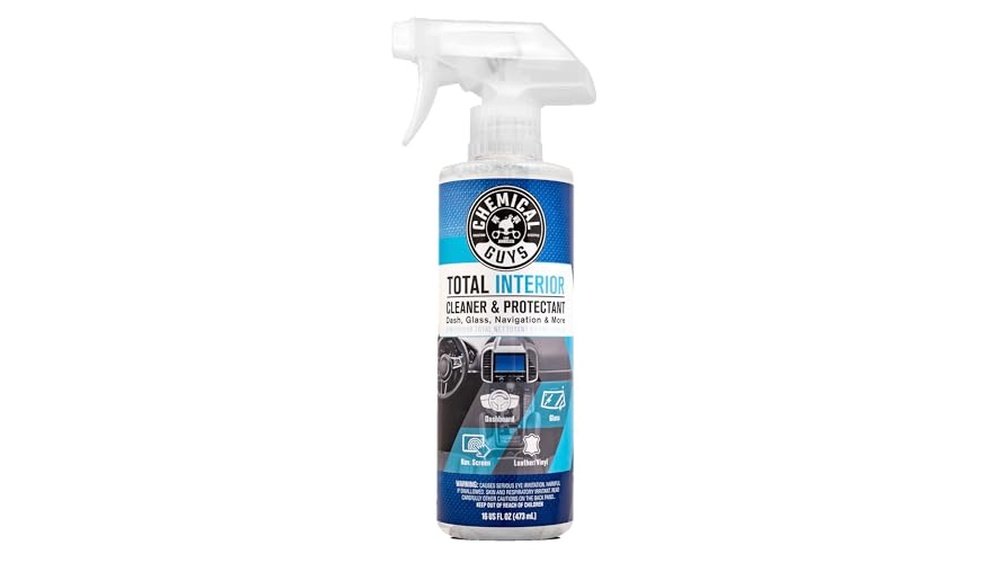
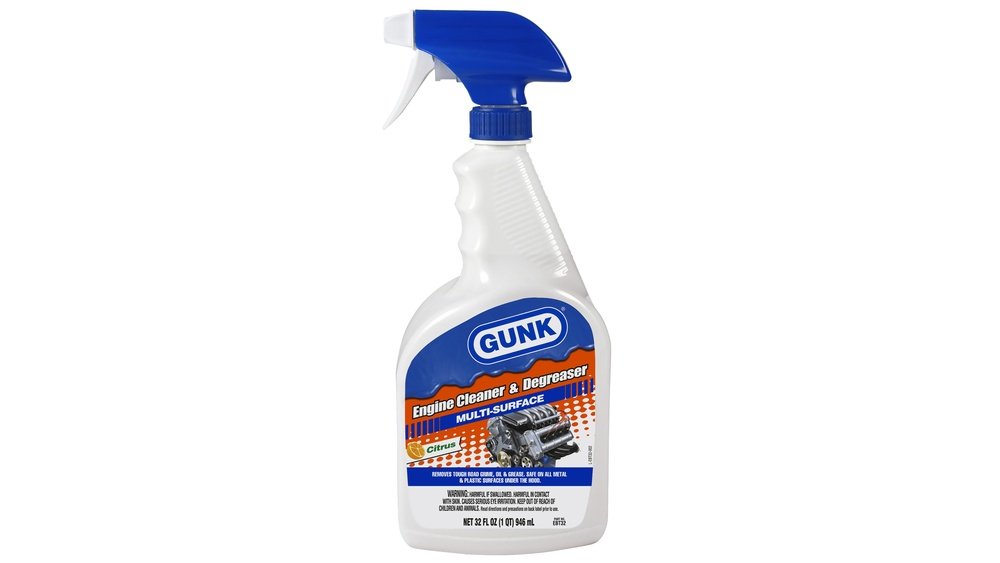
When it comes to keeping your engine clean and running smoothly, you might wonder: are degreasers really safe for your engine? You want your vehicle to perform at its best, but using the wrong cleaning products could cause more harm than good.
How can you be sure that the degreaser you choose won’t damage sensitive parts or reduce your engine’s lifespan? You’ll discover the truth about engine degreasers—their benefits, risks, and how to use them safely. Read on to protect your investment and keep your engine spotless without worry.
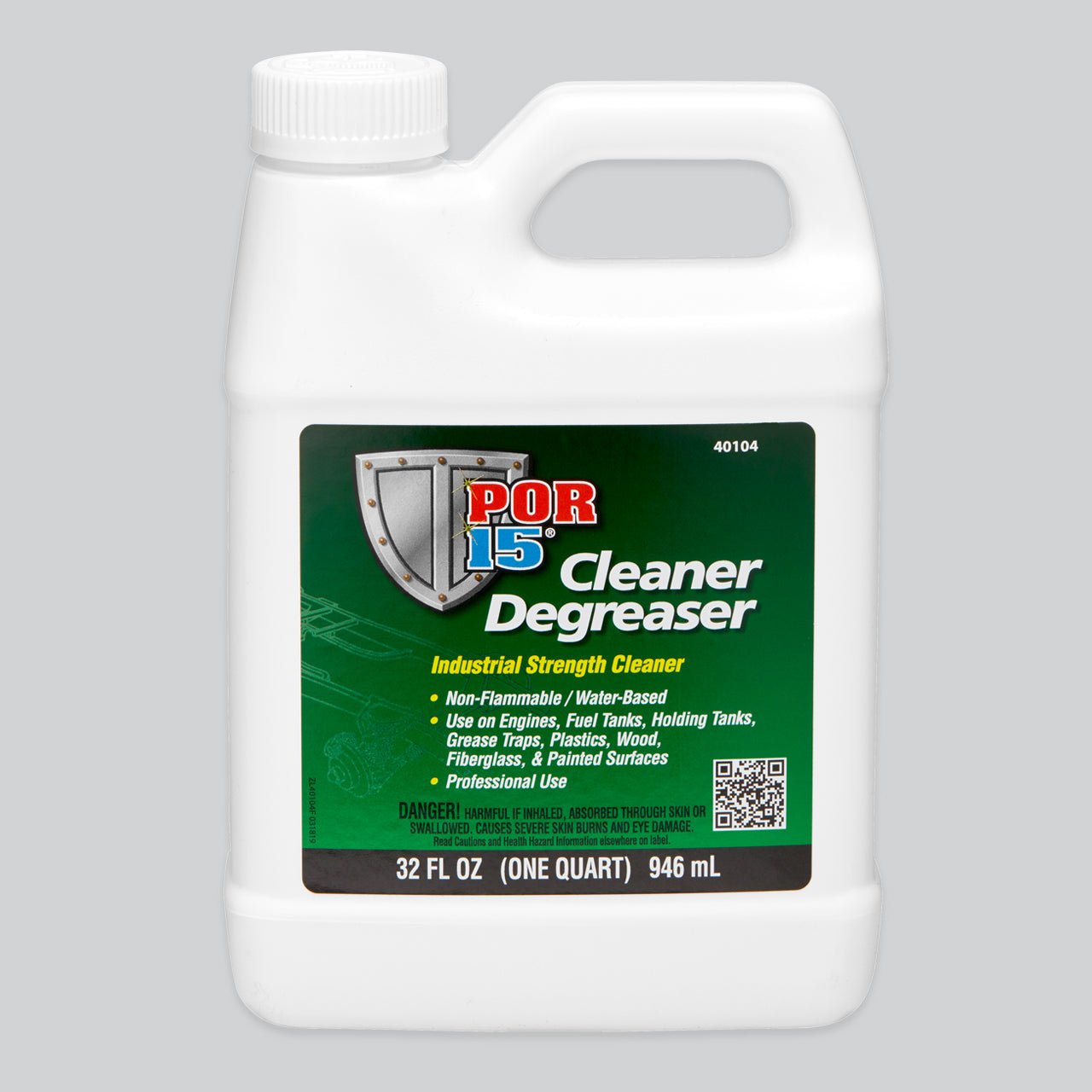
Credit: por15.com
Engine Degreasers Basics
Engine degreasers help keep engines clean and working well. Dirt, oil, and grease build up over time. This buildup can affect engine parts and performance. Using the right degreaser can remove grime safely. Understanding how these products work helps you use them properly.
What Engine Degreasers Do
Engine degreasers break down oil, grease, and dirt. They make these substances easier to wash away. Degreasers help prevent buildup that can harm engine parts. Clean engines run cooler and last longer. Some degreasers also protect metal surfaces from rust.
Common Ingredients In Degreasers
Most degreasers contain chemicals that dissolve grease quickly. Common ingredients include detergents, solvents, and alkaline compounds. Detergents lift dirt from surfaces. Solvents dissolve oil and grease. Alkaline compounds break down tough stains. Many formulas also include water to rinse away residues.
Safety Concerns
Using degreasers on engines raises several safety concerns that need attention. These products contain strong chemicals that can affect engine parts and pose health risks. Understanding these dangers helps protect your vehicle and yourself during cleaning.
Risks Of Using Degreasers On Engines
Some degreasers may harm engine seals and hoses. Harsh chemicals can cause cracking or swelling. This damage leads to leaks and engine failure over time. Using the wrong product might void your vehicle warranty. Always choose a degreaser designed for engines.
Chemical Impact On Engine Components
Strong solvents can erode paint and metal surfaces. Aluminum parts are especially vulnerable to corrosion. Rubber and plastic parts may degrade or soften. This weakens crucial components like belts and connectors. Avoid applying degreasers on hot engines to prevent chemical reactions.
Health Hazards During Application
Inhaling fumes from degreasers can irritate eyes, nose, and throat. Skin contact may cause burns or allergic reactions. Some chemicals are toxic if swallowed or absorbed. Always use gloves and eye protection when applying degreasers. Work in a well-ventilated area to reduce exposure risks.
Choosing The Right Degreaser
Choosing the right degreaser is crucial for protecting your engine. Not all degreasers suit every engine type. Using the wrong product can cause damage or reduce engine life. It is essential to pick a degreaser that cleans effectively and is safe for engine materials. Here are key points to consider when selecting a degreaser.
Phosphate And Solvent-free Options
Phosphates and harsh solvents harm engine parts and the environment. Choose degreasers without these chemicals for safer cleaning. These options reduce corrosion risk and protect sensitive engine components. They also help keep the engine bay cleaner without leaving harmful residues. Phosphate and solvent-free degreasers work well for regular engine maintenance.
Aluminum-safe Products
Many engines have aluminum parts that require gentle care. Some degreasers cause discoloration or corrosion on aluminum surfaces. Look for products labeled as aluminum-safe to avoid damage. These degreasers clean effectively while preserving metal quality. Using aluminum-safe products ensures your engine stays in good condition longer.
Avoiding Harmful Chemicals
Strong acids, bleach, and petroleum-based solvents can damage engine seals and rubber parts. These chemicals may cause cracking or swelling over time. Avoid degreasers containing such harsh substances to protect engine integrity. Opt for biodegradable and non-toxic formulas whenever possible. Safe chemicals maintain engine health and reduce environmental impact.
Application Tips
Applying degreasers on your engine requires care and the right steps. Proper application helps protect engine parts and ensures effective cleaning. Follow these tips to keep your engine safe and clean.
Preparing The Engine Bay
Start by letting the engine cool completely. Hot engines can cause degreasers to evaporate too fast. Cover sensitive parts like the battery, air intake, and electrical connections with plastic bags. Remove any loose dirt or debris by brushing or blowing with compressed air. This step helps the degreaser work better and avoids damage to delicate components.
Safe Usage Practices
Choose a degreaser made for engines and follow the instructions on the label. Spray the degreaser evenly but avoid soaking the engine. Let it sit for a few minutes to break down grease and grime. Use a soft brush to scrub stubborn spots gently. Rinse carefully with low-pressure water, avoiding electrical parts. Dry the engine bay thoroughly before starting the engine to prevent short circuits.
What To Avoid During Cleaning
Never apply degreasers on a hot engine or right after driving. Avoid using strong chemicals like brake cleaners that can harm engine parts. Do not spray directly on painted surfaces, rubber, or plastic components. These materials may get damaged or faded. Avoid high-pressure water jets which can force water into connectors and cause problems. Always keep safety first to protect your engine and yourself.
Common Mistakes
Using degreasers on engines can be tricky. Many people make simple mistakes that harm their engine instead of cleaning it. Avoiding these errors keeps your engine safe and clean. Understanding common mistakes helps you use degreasers correctly and protect your vehicle.
Using Degreasers On Hot Engines
Applying degreaser on a hot engine is dangerous. The heat can cause the chemicals to evaporate quickly. This reduces cleaning power and can create toxic fumes. It also risks burns to your skin. Always wait until the engine cools down before cleaning.
Neglecting Protective Covers
Many forget to cover sensitive parts before spraying degreaser. Electrical components, air filters, and sensors must be protected. Water and chemicals can damage these parts easily. Use plastic bags or wraps to shield them during cleaning. This prevents costly repairs later.
Letting Degreaser Dry On Surfaces
Letting degreaser dry on engine parts causes stains and damage. The chemicals can eat into paint and plastic if left too long. Rinse the degreaser off promptly with water. Do not allow it to sit or dry on the surface. This keeps your engine safe and looking good.
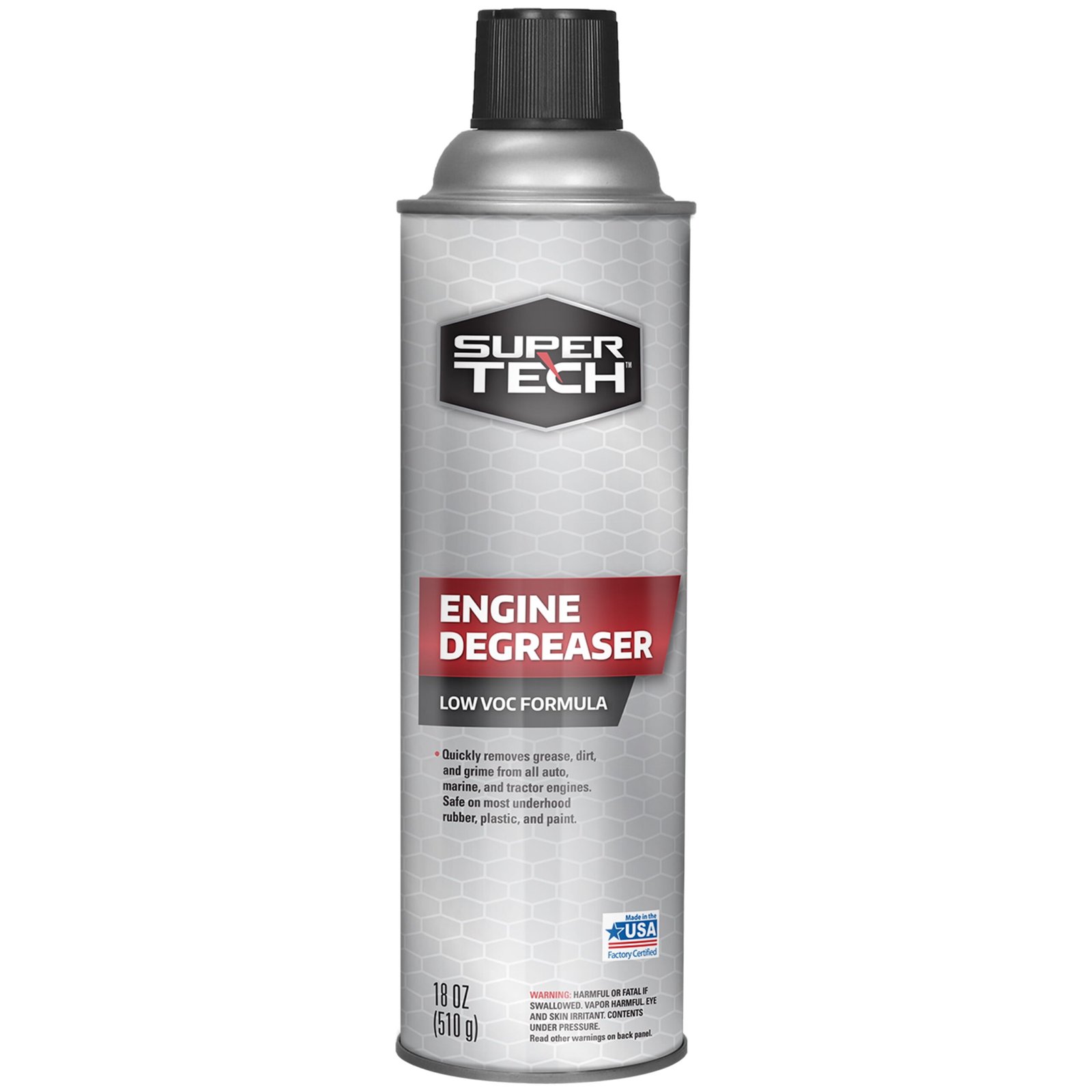
Credit: business.walmart.com
Alternatives To Degreasers
Choosing alternatives to traditional engine degreasers can protect your engine and the environment. Some options offer gentler cleaning without harsh chemicals. These alternatives can clean your engine safely while reducing risk of damage.
Exploring these options helps you maintain engine health with care. Different products suit different needs and preferences.
All-purpose Cleaners Vs. Engine Degreasers
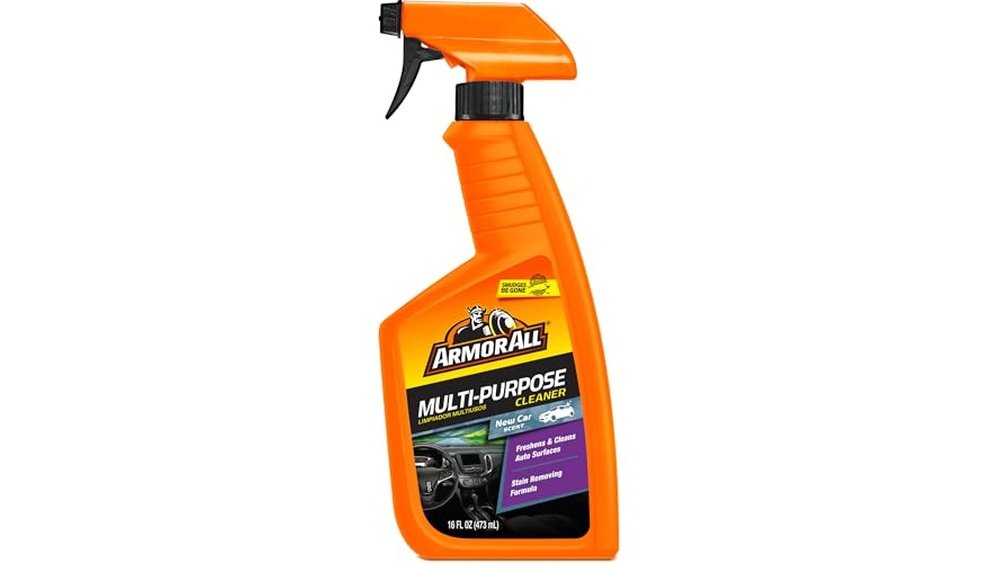
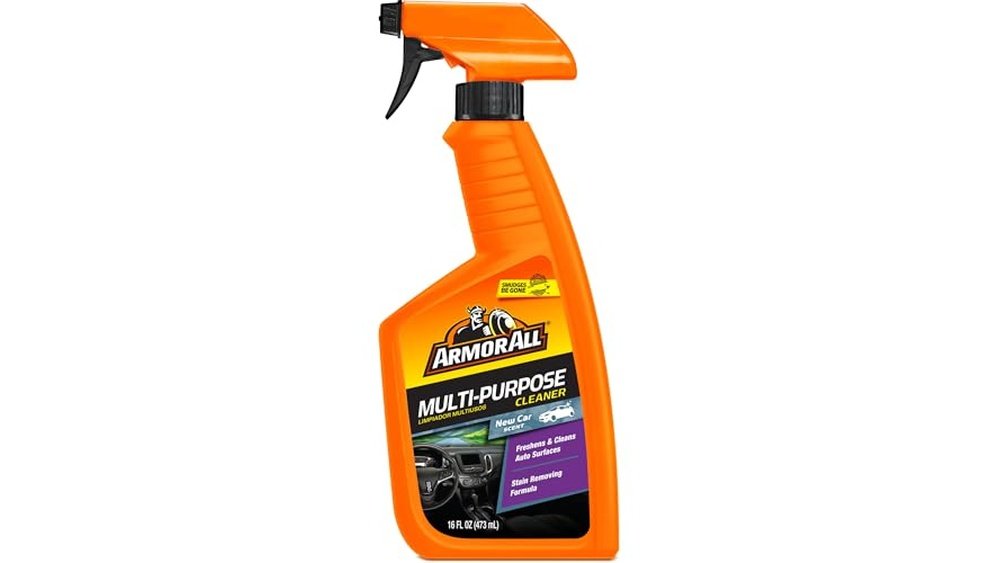
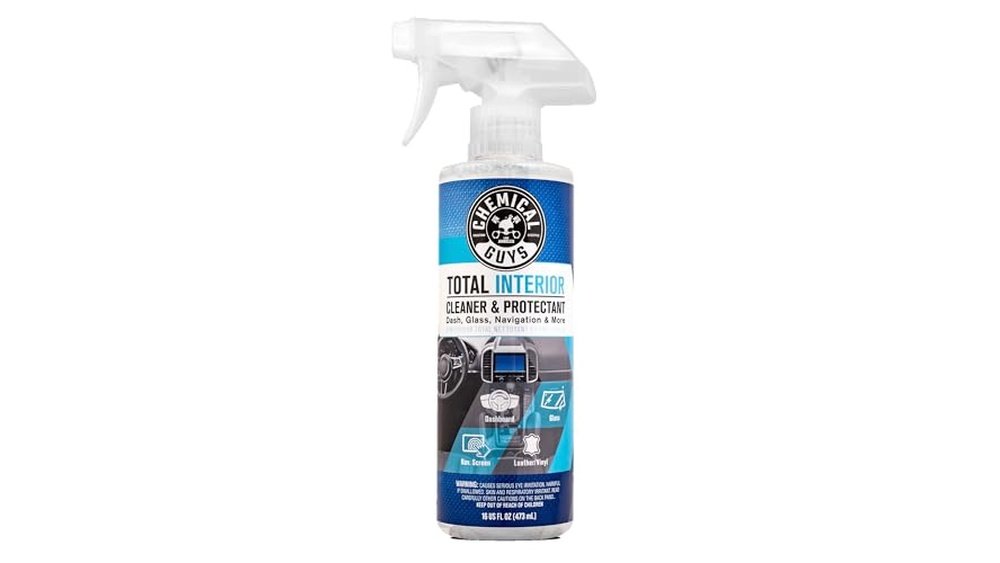
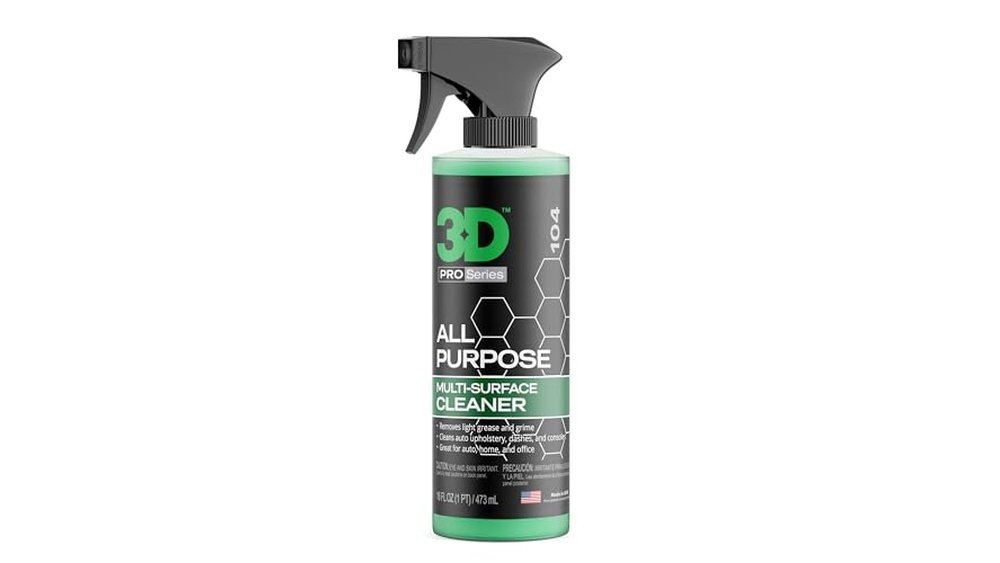
All-purpose cleaners work on many surfaces but are usually less strong than engine degreasers. They can remove light grease and dirt without damaging sensitive parts. These cleaners often have fewer harsh chemicals.
Engine degreasers are made specifically for tough grime on engines. They break down heavy oils and grease quickly. Using all-purpose cleaners might require more scrubbing or repeated cleaning.
All-purpose cleaners may be safer for delicate engine parts. They reduce risk of harming rubber or plastic components. For light cleaning, they are a good choice.
Natural Cleaning Solutions
Natural cleaning solutions use ingredients like vinegar, baking soda, or citrus oils. These substances clean gently and are less harmful to the environment. They can remove grease and dirt without strong chemicals.
Vinegar dissolves grime and neutralizes odors. Baking soda scrubs surfaces softly and removes stains. Citrus oils cut through grease with natural solvents.
Natural cleaners work best on light to moderate engine dirt. They are safe for most engine materials and reduce chemical exposure. Mixing these at home can save money and avoid harsh toxins.
Maintaining Engine Performance
Maintaining engine performance is crucial for vehicle longevity and reliability. A clean engine runs cooler and more efficiently. Dirt and grease buildup can cause overheating and reduce fuel economy. Using degreasers properly helps remove grime that blocks air and heat flow. Safe cleaning protects engine parts and keeps them working well. Regular maintenance prevents costly repairs and keeps your engine in top shape.
Regular Cleaning Benefits
Cleaning the engine regularly removes grease and dirt. This prevents corrosion and rust on metal parts. A clean engine bay helps spot leaks and worn parts early. Removing buildup improves airflow and cooling. It also reduces the chance of electrical problems caused by grime. Clean engines often start easier and run smoother. Using a safe degreaser protects sensitive parts from damage.
Signs Of Damage From Improper Use
Using degreasers incorrectly can harm your engine. Look for cracked or faded rubber hoses after cleaning. Paint peeling or discoloration shows harsh chemicals were used. Electrical issues may appear if water or cleaner seeps into connectors. Engine parts can corrode if degreaser is left on too long. Over-spraying hot engines can cause burns or damage. Always follow product instructions and rinse thoroughly to avoid problems.
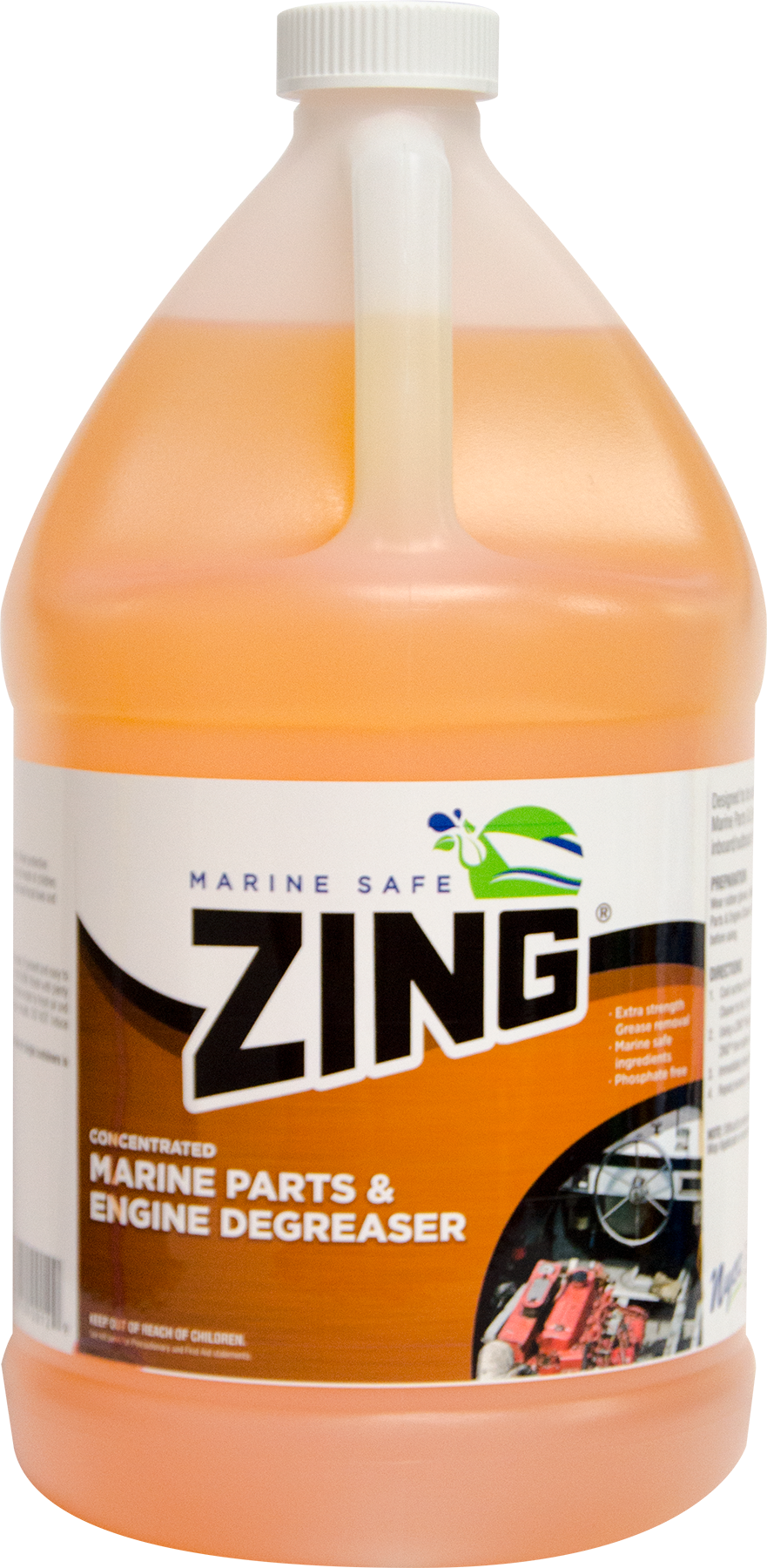
Credit: www.nycoproducts.com
Frequently Asked Questions
Is It Safe To Use A Degreaser On An Engine?
Yes, using a good-quality engine degreaser is safe. Avoid spraying on a hot engine and protect sensitive parts. Rinse thoroughly after use.
What Is The Safest Engine Degreaser?
The safest engine degreaser is phosphate and solvent-free, like SONAX Engine Cleaner. It protects engine components and cleans effectively without damage.
What Should You Not Use Degreaser On?
Avoid using degreasers on painted surfaces, rubber, certain plastics, and fabrics to prevent damage or discoloration.
Can You Spray Degreaser On A Hot Engine?
Do not spray degreaser on a hot engine. It risks burns, damage, and harmful fumes. Always let the engine cool first.
Conclusion
Degreasers can be safe for engines when used properly. Choose a product made for engines and follow instructions carefully. Avoid spraying on hot engines or sensitive parts like rubber and paint. Always rinse thoroughly and protect yourself with gloves and eye protection.
Regular cleaning helps maintain engine performance and prevent buildup. Use common sense and safety steps to keep your engine clean without damage. Safe use of degreasers extends engine life and ensures reliable operation.