If you’re thinking about tinting your car windows in Tennessee, you need to know exactly what the law says. Tinting your windows can protect you from the sun, keep your car cooler, and add privacy.
But if your tint is too dark or reflective, you could face fines or even get pulled over by the police. Understanding Tennessee’s window tint laws will help you avoid trouble and keep your vehicle compliant. You’ll discover what’s allowed, what’s not, and important tips to make sure your tint stays legal.
Keep reading to learn how to protect yourself and your ride while enjoying the benefits of tinted windows.
Tennessee Tint Limits
Understanding Tennessee tint limits is vital for every vehicle owner. These rules ensure safety and compliance on the road. Tennessee has clear guidelines on how dark or reflective your window tint can be. Following these limits helps avoid fines and keeps drivers safe.
Visible Light Transmission Rules
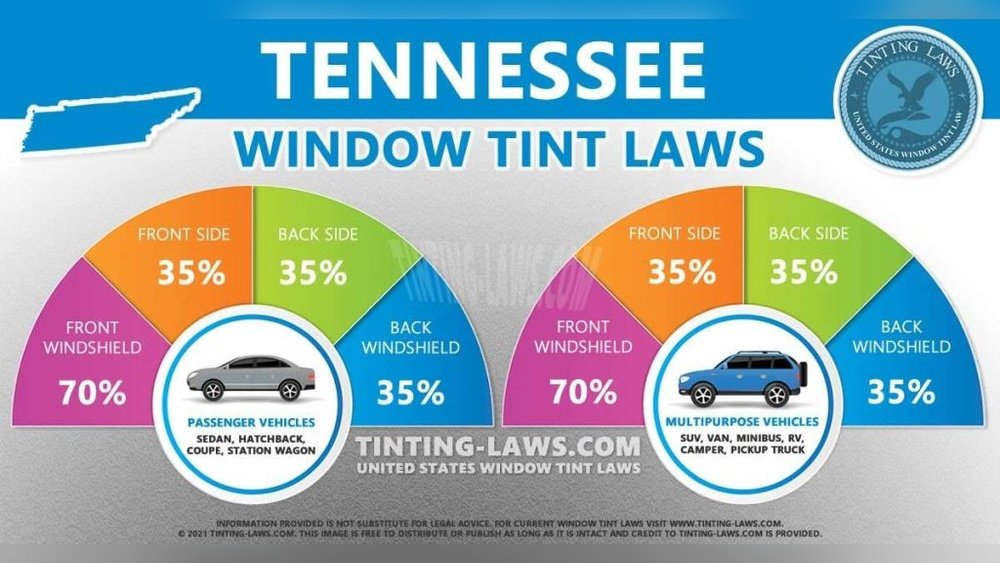
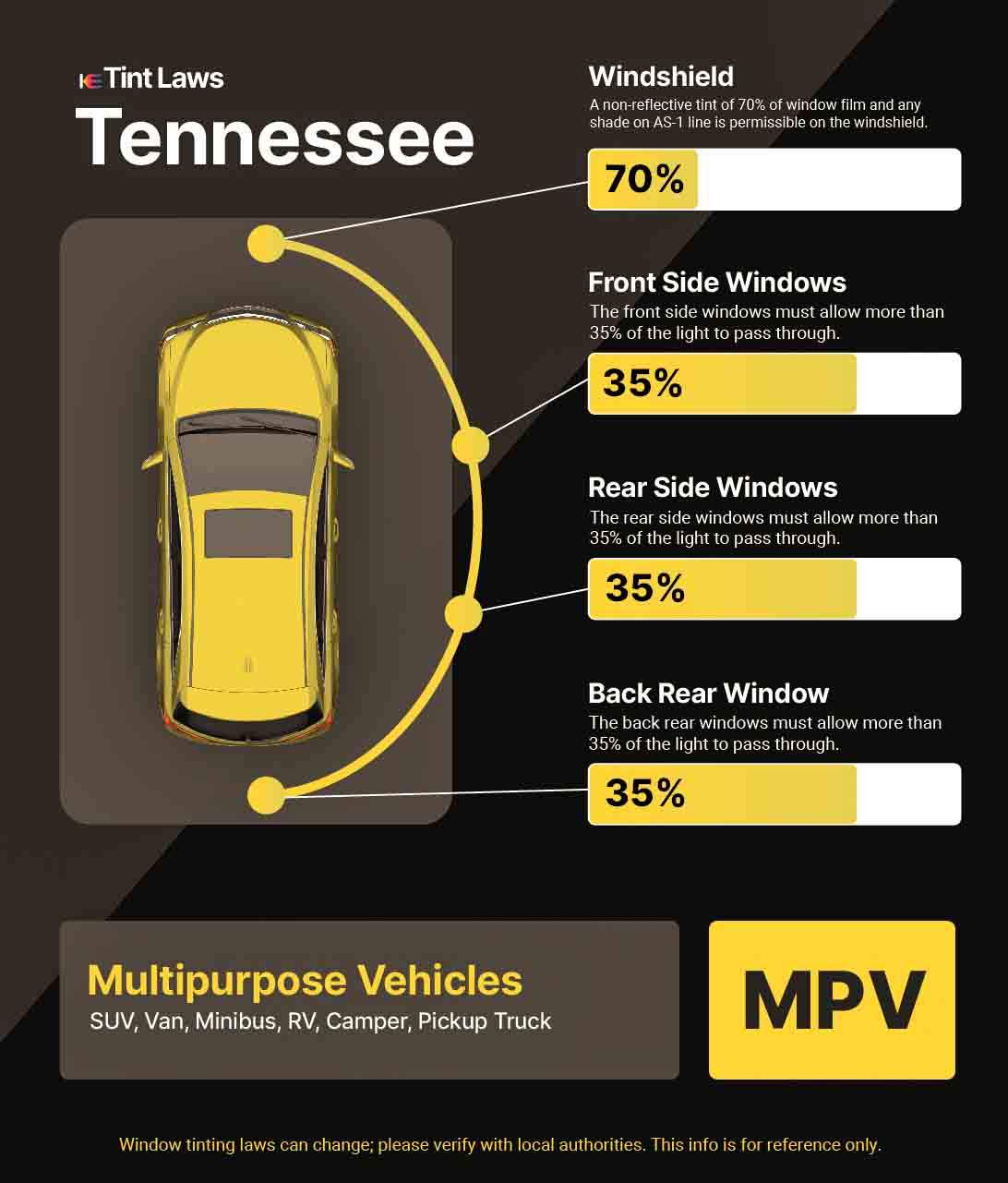
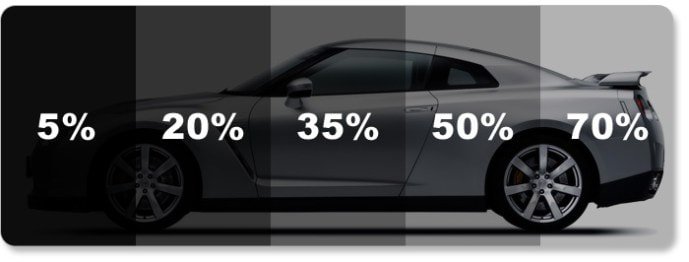
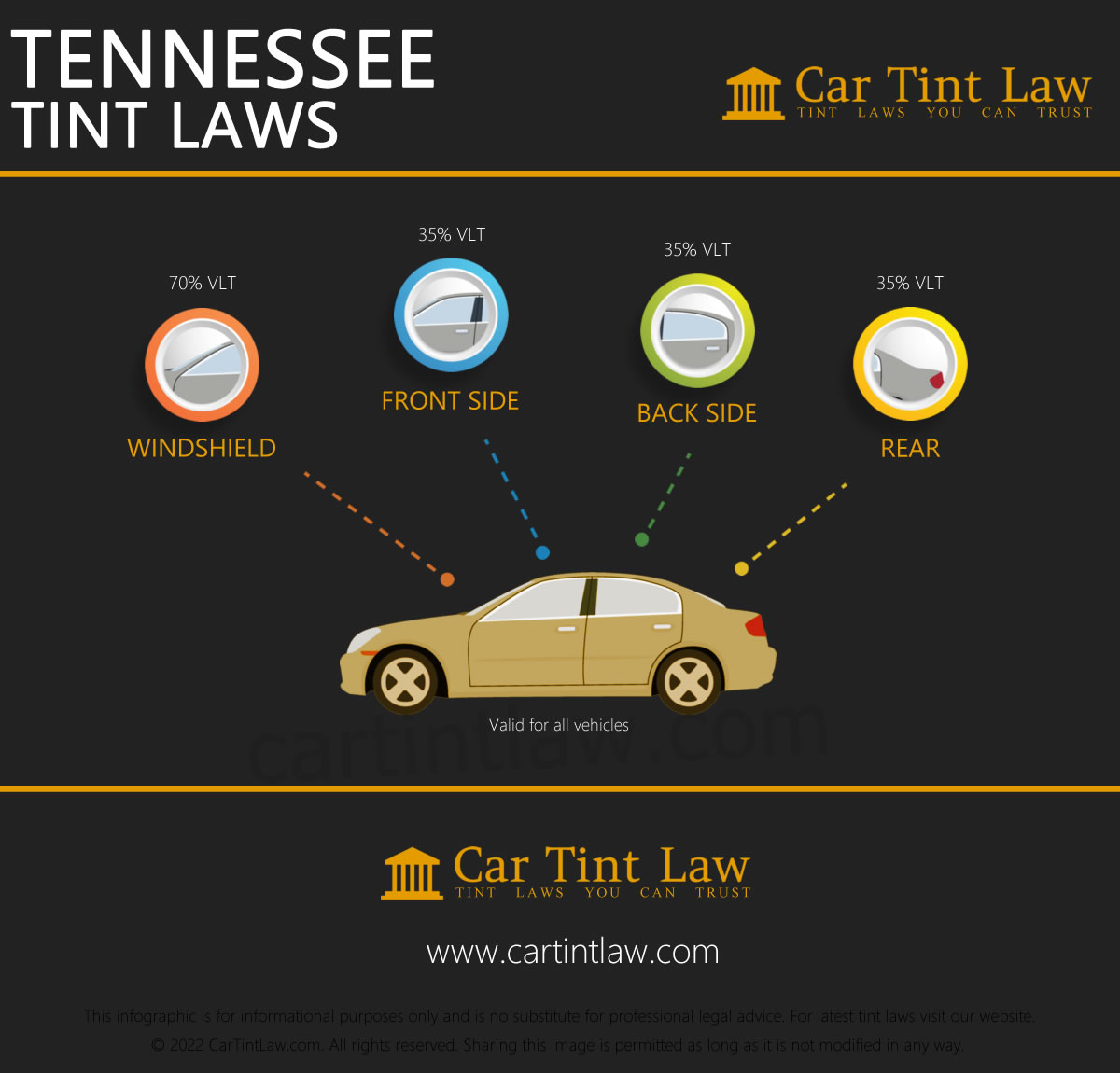
Tennessee law controls how much light must pass through your car windows. Front side windows must allow at least 35% of light in. Rear side windows and back windows have no specific limit for passenger vehicles. This means you can use darker tint on rear windows if you want.
Front And Rear Window Standards
The front windows have stricter tint rules than the rear. The law requires front side windows to be lighter to help police see inside. Rear windows can be darker, giving more privacy. For SUVs and vans, the rear windows can also be darker without breaking the law.
Windshield Tint Restrictions
Tennessee limits tint on the windshield to the top few inches. Only the top 5 inches of the windshield can have tint. This area is called the AS-1 line. No tint is allowed below this line to ensure the driver has clear vision. Windshield tint cannot be reflective or mirrored.
Credit: kepler-dealer.com
Enforcement And Penalties
Enforcement of window tint laws in Tennessee is strict to ensure driver safety and clear visibility. Police officers actively check vehicle tints during traffic stops. Violations can lead to serious penalties. Understanding how enforcement works helps drivers avoid trouble.
Reasons For Traffic Stops
Officers may stop a vehicle if the window tint looks too dark. Excessively tinted windows reduce visibility, raising safety concerns. A simple glance can trigger a stop. Law enforcement uses reasonable belief to decide if tint checks are needed.
Field Comparison Testing
During a stop, officers may perform a field comparison test. This test measures how much light passes through the window. They compare the tint to a legal standard. If the tint blocks too much light, it is illegal. This quick test helps officers enforce the law fairly.
Fines And Repeat Offense Consequences
Fines for illegal window tint in Tennessee vary but can be costly. First-time offenders usually pay a base fine. Repeat violations lead to higher fines and harsher penalties. Multiple offenses might affect your car insurance rates. Persistent violations could result in court appearances or vehicle inspections.
Sticker And Installation Rules
Understanding the sticker and installation rules is crucial for legal window tinting in Tennessee. These regulations ensure that your vehicle complies with state laws and avoids penalties. Proper labeling and approved materials help law enforcement identify legal tints quickly.
Installer Sticker Requirements
Tennessee law requires a sticker from the tint installer on the driver’s side window. This sticker must be visible and show the tint’s percentage of visible light transmission (VLT). It confirms the tint meets state standards and allows easy inspection by police officers.
Without this sticker, your vehicle may be considered non-compliant. The installer must provide the sticker at the time of installation. Removing or hiding the sticker can lead to fines or a failed vehicle inspection.
Prohibited Materials And Colors
The state bans certain tint materials and colors. Metallic or mirrored films are not allowed on any vehicle windows. These types can interfere with electronic devices and reduce visibility for other drivers.
Colored tints like red, amber, or blue are also prohibited in Tennessee. The law focuses on safety and clear vision for all road users. Only approved materials with legal VLT percentages can be used for window tinting.
Credit: www.windowtintingbartlett.com
Medical Exemptions
In Tennessee, certain medical conditions allow drivers to apply for window tint exemptions. These exemptions permit darker tints than usually allowed by state law. The goal is to help individuals who need protection from sunlight due to health reasons. Understanding these exemptions can help eligible drivers stay compliant while managing their medical needs.
Qualifying Conditions
Tennessee law recognizes several medical conditions for tint exemptions. These include lupus, skin cancer, and other light sensitivity disorders. Patients with severe eye diseases may also qualify. A doctor’s certification is required to prove the medical condition. This document must clearly state the need for darker window tinting.
Application Process
The application starts with a medical certificate from a licensed physician. Next, the driver submits the form to the Tennessee Department of Safety. The department reviews the request and issues a special permit if approved. This permit must be kept in the vehicle at all times. Law enforcement officers may ask to see the permit during traffic stops.
Impact On Insurance
Window tint laws in Tennessee impact more than just your vehicle’s appearance. Insurance companies watch out for violations closely. Illegal tinting can lead to higher premiums or denied claims. Understanding these effects helps drivers avoid surprises on their bills.
Effect Of Tickets On Rates
Getting a ticket for illegal window tint can raise your insurance rates. Insurers see tickets as signs of risky behavior. Even a single citation may increase your premium. Repeat offenses cause steeper hikes. Insurance companies use your driving record to set prices.
Tickets remain on your record for several years. During this time, expect higher costs. Insurance providers may label you a higher risk. This affects your ability to find affordable coverage. Staying within Tennessee’s tint laws keeps your rates stable.
Insurance Coverage Issues
Illegal window tint may cause coverage problems after accidents. Some insurers refuse to pay claims if tinting violates state law. They argue the tint contributed to the accident or injury. This can leave drivers responsible for repair costs.
Insurance policies often require compliance with local laws. If your tint breaks the rules, insurers may deny claims. This risk applies to both liability and comprehensive coverage. Following Tennessee’s tint regulations protects your insurance benefits.
Credit: www.cartintlaw.com
Reflectivity And Appearance
Reflectivity and appearance play a key role in Tennessee’s window tint laws. These rules help ensure safety by limiting glare and maintaining clear visibility. The state restricts certain types of reflective tint to reduce distractions for other drivers. Appearance rules also guide the colors allowed on vehicle windows. This keeps vehicles looking uniform and prevents tints that could be mistaken for emergency or official vehicles.
Mirrored Tint Restrictions
Tennessee law prohibits mirrored or highly reflective window tints. This means tints that look like a mirror on the outside cannot be used on any vehicle windows. Reflective tint can cause glare, which distracts other drivers. The law aims to keep roads safer by preventing this glare. Even partial mirrors on side or rear windows are not allowed. All vehicle tints must have a matte finish without a shiny or chrome-like surface.
Allowed Tint Colors
The state only allows certain colors for window tint. Black or gray shades are most common and widely accepted. Other colors such as blue, red, or green are not permitted. This restriction helps avoid confusion with law enforcement or emergency vehicles. The tint color must not change the natural color of the window too much. Clear or slightly tinted windows are also allowed as long as they meet the darkness rules. Keeping tint colors simple ensures safe and legal use on Tennessee roads.
Local Variations
Window tint laws in Tennessee vary depending on the local area. These differences can affect how dark or reflective your window tint can be legally. Understanding local rules helps avoid fines and legal trouble. Each city or county may have its own specific limits and requirements.
Jurisdiction Differences
Tennessee’s window tint laws are not uniform across the state. Some counties allow darker tints on front side windows than others. Certain cities may have stricter rules on windshield tinting. Local law enforcement enforces these variations strictly. Knowing your area’s exact rules keeps your vehicle compliant. Always check for any special local restrictions.
Checking Latest Updates
Window tint laws can change at any time. New regulations may come from state or local governments. Regularly checking official state websites is essential. Local police departments often post updates on tint laws too. Staying informed prevents surprises during traffic stops. Use trusted sources to confirm the latest legal tint limits.
Frequently Asked Questions
In What State Is 20% Tint Legal?
20% tint is legal on front side windows in New Mexico. Most states require higher visible light transmission percentages.
Can You Be Pulled Over For Window Tint In Tennessee?
Yes, Tennessee law enforcement can pull you over if your window tint violates state regulations. Officers use a tint meter to check compliance. Illegal tinting may lead to fines, citations, and increased insurance rates. Always ensure your tint meets Tennessee’s Visible Light Transmission (VLT) requirements.
Is 20% Window Tint Darker Than 35%?
Yes, 20% window tint is darker than 35% tint. Lower percentage means less light passes through, creating a darker shade.
How Much Is A Tint Ticket In Tennessee?
A tint ticket in Tennessee typically costs around $50 to $100. Fines may increase for repeat offenses.
Conclusion
Tennessee’s window tint laws protect safety and visibility on roads. Drivers must follow rules on tint darkness and reflectivity. Police can stop vehicles if tint seems illegal. Stickers on the driver’s side window prove legal tint use. Breaking these laws can lead to fines and insurance issues.
Some medical conditions allow special tint exemptions. Checking official state resources keeps you updated on changes. Stay informed and tint your windows carefully to avoid trouble. Simple steps help keep your driving safe and legal in Tennessee.