Are you thinking about tinting your car windows in Washington? Before you head to the shop, it’s important to know the state’s window tint laws.
Your choice of tint can affect your safety, privacy, and even your wallet if you don’t follow the rules. Washington has specific limits on how dark and reflective your tint can be, and understanding these can save you from unexpected fines or hassles with the police.
You’ll get a clear, simple breakdown of the window tint laws in Washington, what’s allowed, what’s not, and how to stay compliant while enjoying the benefits of tinted windows. Keep reading to make sure your ride stays stylish and legal!
Credit: www.cartintlaw.com
Legal Tint Limits
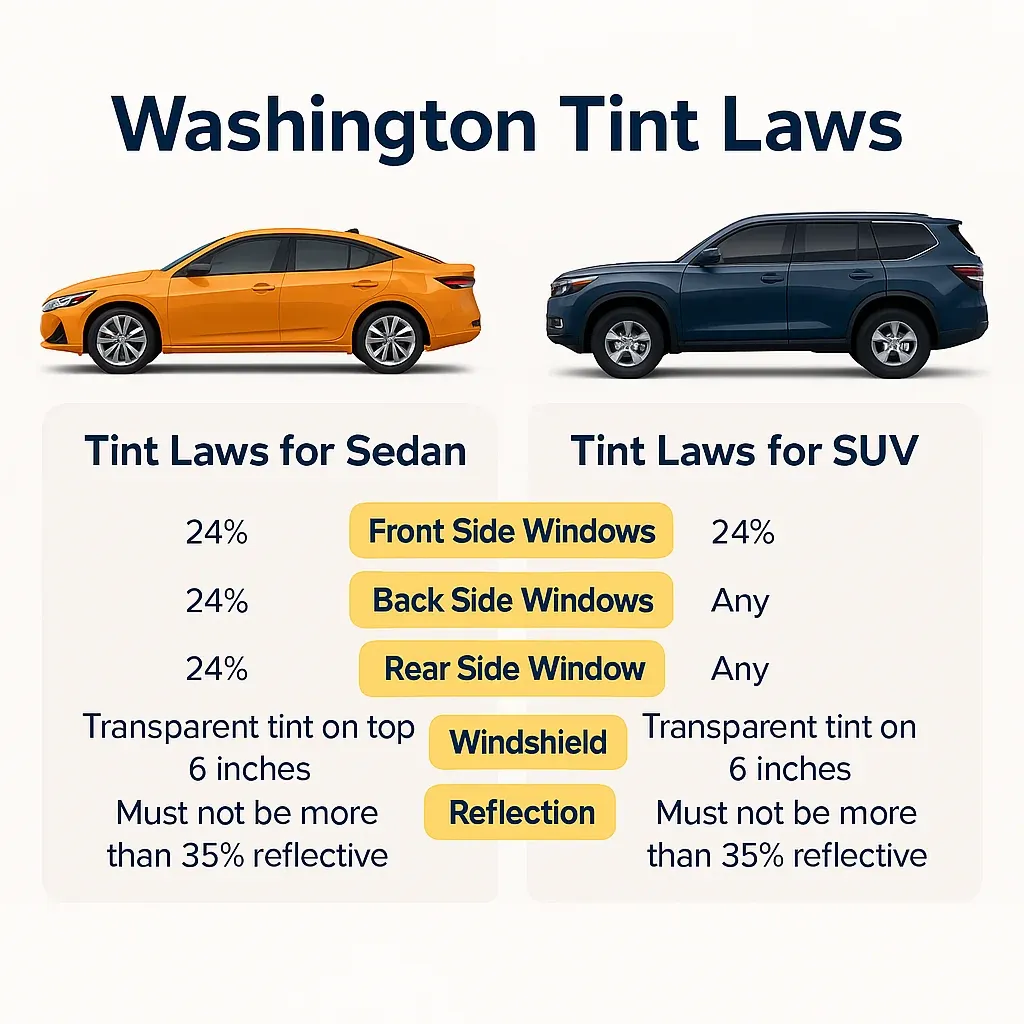
Washington state has clear rules for how dark window tint can be. These laws help keep drivers safe and allow police to see inside vehicles when needed. Each type of window has its own limit on tint darkness. Knowing these limits avoids fines and other penalties.
Front Side Windows
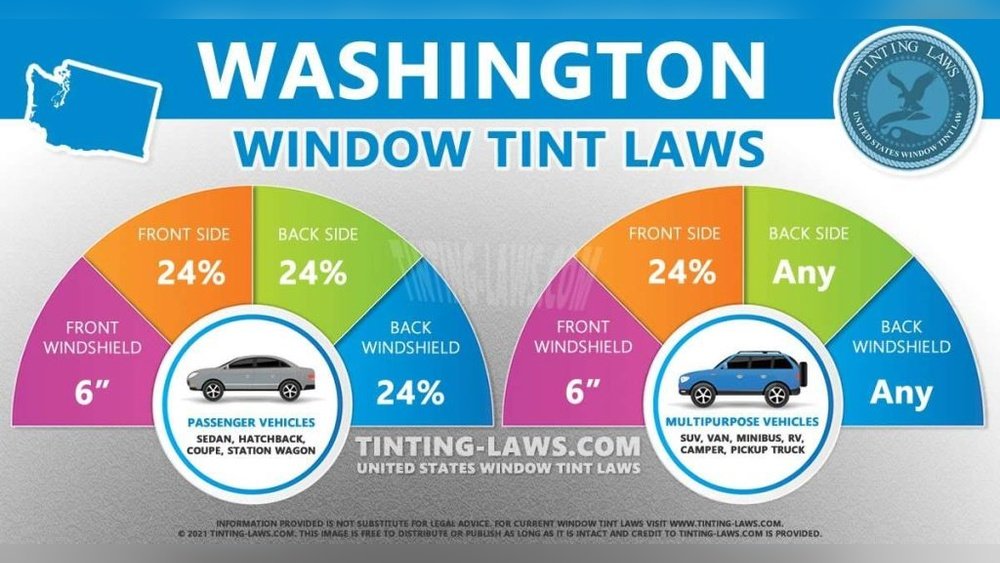
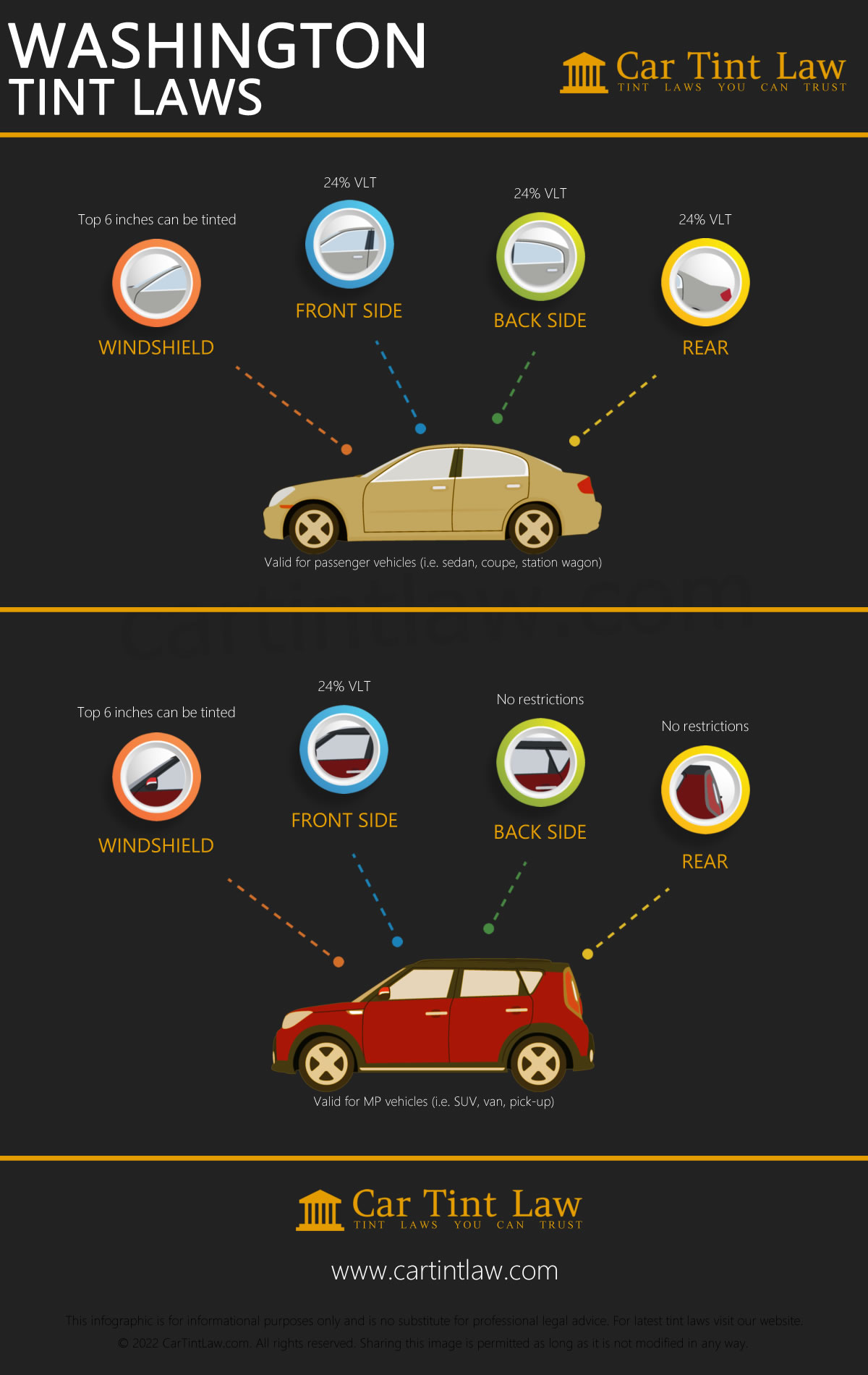
The front side windows must allow at least 24% of light to pass through. This means the tint cannot be too dark. Officers need to see inside the car for safety reasons. Tint darker than this limit is not allowed. It helps protect drivers and passengers.
Windshield Tint Rules
The windshield can only have tint on the top 6 inches. This is called the “sun strip.” The rest of the windshield must allow most light to pass. No dark tint is allowed below this strip. This rule ensures clear vision for drivers.
Rear Windows And Mirrors
The rear side windows and rear windshield can have any darkness of tint. Dark tint is allowed here for privacy and sun protection. But the vehicle must have dual side mirrors if the rear window is tinted. This helps maintain good visibility for the driver.

Credit: kepler-dealer.com
Enforcement And Penalties
Washington enforces strict rules on window tinting to ensure road safety. Authorities check vehicles to confirm tint levels meet legal standards. Violations lead to penalties that drivers must take seriously. Understanding enforcement and penalties helps avoid trouble on the road.
Traffic Stops For Tint Violations
Police officers can stop any vehicle if they suspect illegal tint. They use a device called a tint meter to check light transmission. If the tint is too dark, drivers receive a citation. These stops happen during routine traffic checks or after reports.
Fines And Tickets
Fines for illegal tint in Washington vary by the severity of the violation. Tickets usually come with monetary penalties. Repeat offenders may face higher fines or additional charges. Paying the fine does not remove the requirement to fix the tint.
Mandatory Tint Removal
Drivers must remove illegal tint if ordered by law enforcement. Removal is necessary to pass vehicle inspections and avoid further penalties. Failure to remove tint can lead to more fines or vehicle impoundment. It is best to fix the tint quickly to stay legal.
Reflective And Colored Tints
Reflective and colored window tints add style and privacy to your vehicle. Washington state has clear rules to keep drivers safe and visible on the road. These laws regulate how much reflectiveness and color you can have on your windows. Knowing these rules helps avoid fines and ensures legal compliance.
Restrictions On Reflective Films
Washington limits reflective window films to reduce glare for other drivers. Reflective tint cannot cover the entire window. The law allows reflective tint only on the top 5 inches of the windshield. Other windows must not have reflective tint that is too shiny or mirror-like. This prevents distraction and maintains visibility for law enforcement.
Prohibited Tint Colors
Certain tint colors are banned in Washington to avoid confusion and improve safety. Red, amber, and blue tints are not allowed on any vehicle windows. These colors can be mistaken for emergency vehicles or signals. Drivers must choose neutral colors like black or gray for window tint. Staying within these guidelines keeps your vehicle street legal.
Vehicle Specific Rules
Washington state sets distinct window tint rules based on vehicle type. These vehicle specific rules ensure safety and compliance with local laws. Understanding them helps avoid fines and legal trouble. Below is a breakdown of tint laws for different vehicle types.
Sedans
Sedans have strict tint limits on front side windows. The visible light transmission (VLT) must be at least 24% on these windows. Rear side windows and back window have no VLT restrictions. Sedans require dual side mirrors if rear windows are tinted darker than allowed.
Suvs, Trucks, And Vans
For SUVs, trucks, and vans, the front side windows must also allow at least 24% VLT. Rear side windows and back windows can have any darkness level. These vehicles must have dual side mirrors when rear windows have dark tint. The windshield tint is limited to a non-reflective strip at the top.
Safety Requirements
Safety is the top priority in Washington’s window tint laws. These rules protect drivers and others on the road. The regulations ensure that tinting does not block vision or increase risks. Below are key safety requirements that every driver should know.
Dual Side Mirror Mandate
Washington law requires dual side mirrors if rear window tint is dark. This rule helps drivers see behind and beside their vehicle. Dual mirrors reduce blind spots caused by tinted rear windows. It is a simple but effective safety measure. Without it, drivers might miss important traffic around them.
Visibility Standards
Visibility rules control how dark window tint can be. The law sets a minimum level of light that must pass through the glass. This level is called Visible Light Transmission (VLT). Front side windows must allow at least 24% of light. Windshields may only have a tint strip at the top.
These standards keep drivers’ vision clear, especially at night. Proper visibility helps avoid accidents and improves road safety. Law enforcement officers can measure tint darkness with a tint meter. If tint is too dark, drivers may face fines or be asked to remove it.
Credit: www.bespokeauto.org
Medical Exemptions
Washington state allows medical exemptions for window tinting rules. These exemptions help people with certain health issues. Darker tints can protect sensitive skin or eyes from sunlight. The state requires proof to grant these exemptions. Proper steps must be followed to apply and carry this proof. Understanding these rules helps avoid fines and legal problems.
Obtaining A Medical Statement
A licensed doctor must provide a medical statement. This statement should explain the medical need for darker tint. It must clearly state the condition and why tinting helps. The document needs to be current and legible. Keep a copy of this statement in your vehicle. This helps prove your exemption if stopped by police.
Carrying Exemption Documentation
Drivers must carry all exemption documents at all times. This includes the medical statement and any state-issued permits. Show these documents to law enforcement when asked. Not carrying proof can lead to fines or tint removal. Keep the documents easily accessible in your car. This ensures smooth compliance with Washington tint laws.
Measurement Methods
Understanding how window tint darkness is measured is key to following Washington’s tint laws. Measurement methods ensure your vehicle’s tint meets legal standards. Law enforcement uses specific tools and terms to check tint levels accurately. Knowing these methods helps avoid fines and keeps your vehicle compliant.
Using A Tint Meter
A tint meter is a small device used by police officers. It measures how much light passes through your car windows. Officers place the meter on the window and get a reading called Visible Light Transmission (VLT). This number shows the percentage of light allowed through the tint. If the VLT is too low, your tint is illegal in Washington.
Visible Light Transmission Explained
Visible Light Transmission (VLT) is the key term in tint laws. It shows how much light can pass through your window tint. A higher VLT means lighter tint; a lower VLT means darker tint. Washington law sets minimum VLT levels for different windows on your vehicle. Knowing your VLT helps you choose legal tint and avoid penalties.
Common Myths And Facts
Many people misunderstand the window tint laws in Washington. These myths cause confusion about what is allowed and what is not. Knowing the facts helps you follow the rules and avoid fines. Below, we clear up common misconceptions and explain safe tinting practices.
Misconceptions About Tint Darkness
Some believe all dark tints are illegal in Washington. This is not true. The law allows certain levels of darkness depending on the window.
For example, front side windows must let in more light than rear side windows. Many think any tint on the windshield is banned. Actually, only the top strip can have tint, and it cannot be reflective.
People often confuse tint darkness with reflectivity. Washington law limits reflective tinting, especially on the windshield and front windows. Dark tint is allowed but must meet the visible light transmission (VLT) standards set by the state.
Legal And Safe Tinting Practices
Safe tinting means choosing the right VLT percentage for your vehicle. The front side windows need higher light transmission, usually around 70%. Rear windows can have darker tint, often as low as 35% VLT.
Dual side mirrors are required if you tint the rear windows darker than allowed. This rule ensures you keep good visibility and safety on the road.
Always use professional services to install window tint. Professionals know the exact legal limits and apply the tint correctly. Illegal tint can lead to fines and mandatory removal, which costs more in the long run.
Frequently Asked Questions
What Is The Darkest Legal Tint In Washington State?
The darkest legal tint in Washington allows 24% Visible Light Transmission (VLT) on front side windows. Rear windows have no VLT limit. Dual side mirrors are required if rear windows are tinted. Reflective tint is prohibited except on the top windshield strip.
Is 20% Or 35% Tint Darker?
A 20% tint is darker than a 35% tint because it allows less light to pass through the window.
In What State Is 20% Tint Legal?
New Mexico allows 20% tint on front side windows. Most states restrict tint darkness to higher VLT percentages.
Can You Get Pulled Over For Window Tint In Washington State?
Yes, Washington officers can pull you over for illegal window tint. They use a tint meter to check Visible Light Transmission (VLT). Violations may lead to fines or mandatory tint removal. Rear windows have no VLT limit but require dual side mirrors if tinted.
Conclusion
Understanding Washington’s window tint laws helps keep you safe and legal. Tint limits vary by window type and vehicle class. Always check the Visible Light Transmission (VLT) percentages before tinting. Avoid prohibited colors and reflective tint on the windshield’s top strip.
Remember, darker rear tints require dual side mirrors for safety. Law enforcement can stop you if your tint is too dark. Penalties include fines and mandatory removal of illegal tint. Medical exemptions exist with proper documentation. Stay informed to protect yourself and avoid trouble on the road.
Clear rules make tinting easier and safer for everyone.