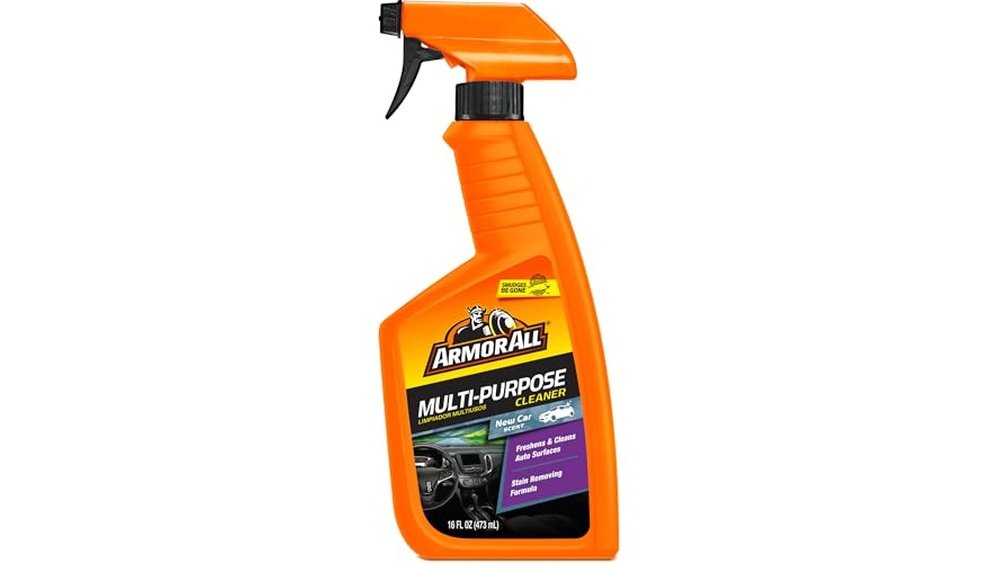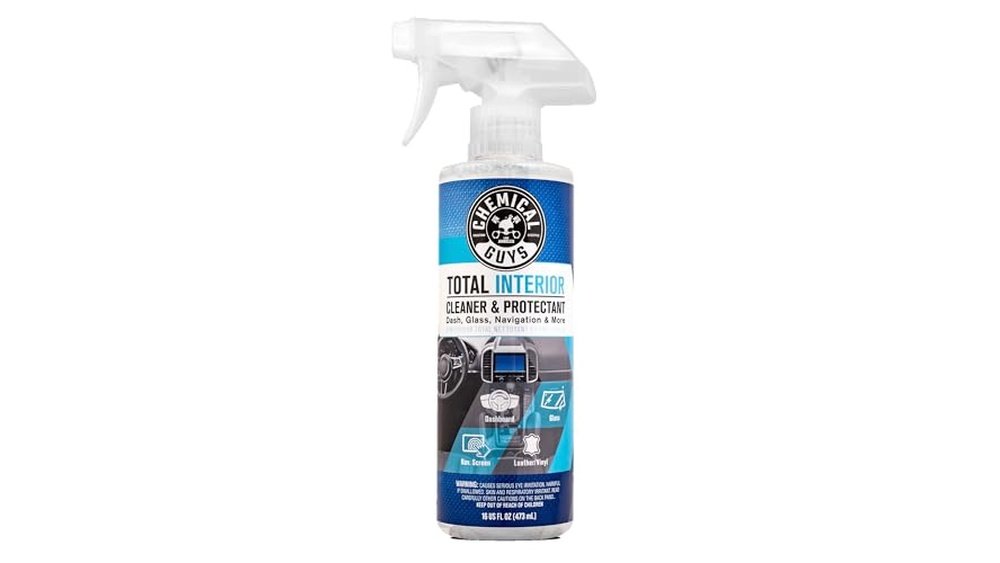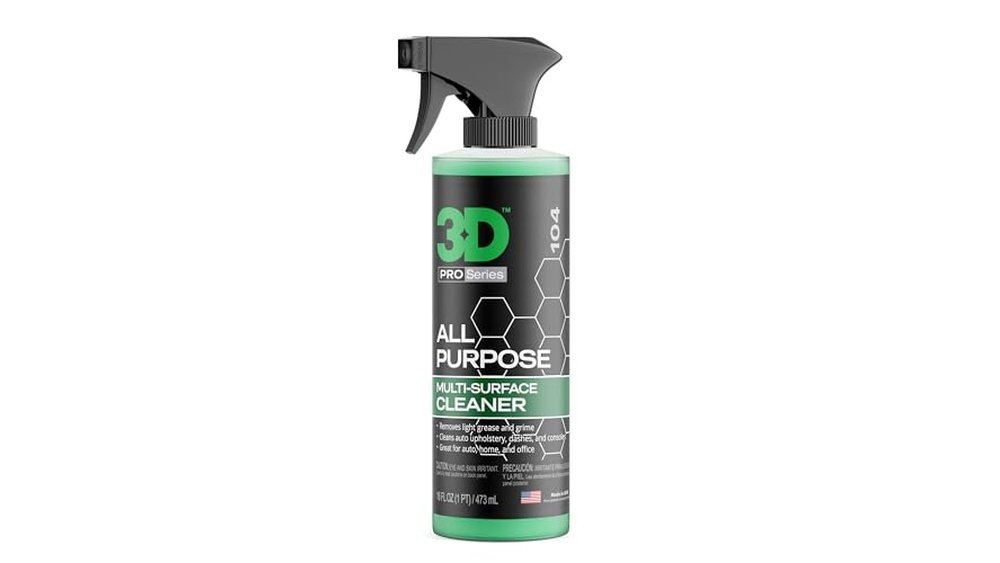
Are you tired of dull, scratched surfaces ruining the look of your car, metal tools, or household items? Polishing compound is your secret weapon to bring back that smooth, mirror-like shine you crave.
But how do you use it correctly to get professional results without wasting time or making mistakes? In this guide, you’ll discover simple, step-by-step instructions to apply polishing compound like a pro, whether by hand or with power tools. You’ll also learn key tips to avoid common pitfalls and protect your surfaces after polishing.
Ready to transform your items and impress everyone with a flawless finish? Keep reading, because mastering polishing compound is easier than you think—and the results are truly worth it.
Credit: blog.esslinger.com
Polishing Compound Basics
Polishing compounds play a key role in restoring surfaces to their original shine. They work by gently removing tiny scratches and imperfections. Understanding the basics of polishing compounds helps you get better results. This guide covers what they do, types available, and how to choose the right one.
Using the correct polishing compound can save time and improve the finish. It is important to know how each type works and what surface it suits best. The right selection ensures a smooth and glossy outcome.
What Polishing Compound Does
Polishing compound removes fine scratches, oxidation, and swirl marks. It uses mild abrasives to smooth the surface without causing damage. The compound works by gently rubbing the surface to restore shine and clarity. It is ideal for car paint, metal, and other hard surfaces.
After applying, the compound is buffed off to reveal a clean, polished look. It improves the overall appearance by making the surface look new again.
Types Of Polishing Compounds
Polishing compounds come in different grades based on their abrasiveness. Heavy compounds remove deep scratches and rough oxidation. Medium compounds handle moderate scratches and dull areas. Fine compounds are best for light scratches and final polishing.
Each type suits specific tasks and surfaces. For example, heavy compounds are used before fine polishing on old car paint. Fine compounds give a smooth, glossy finish after heavier work.
Choosing The Right Compound
Choose a compound based on the surface condition and damage level. Start with a heavier compound for deep scratches or oxidation. Use a medium or fine compound for minor blemishes or to enhance shine.
Consider the surface material too. Some compounds work better on metals, others on painted surfaces. Picking the right compound saves effort and protects the surface.

Credit: www.youtube.com
Preparing The Surface
Preparing the surface is the first step before applying polishing compound. A clean and dry surface ensures better results. Dirt or contaminants can cause scratches during polishing. Proper preparation protects the finish and helps the compound work effectively.
Cleaning And Drying
Start by washing the surface with soap and water. Remove all dust, grease, and grime. Use a soft cloth or sponge to avoid new scratches. Rinse thoroughly to remove soap residue. Dry the surface completely with a clean microfiber towel. Moisture can reduce the polishing compound’s effectiveness.
Removing Contaminants
Contaminants like tar, tree sap, or old wax must be removed. Use a gentle cleaner or clay bar for stubborn spots. Avoid harsh chemicals that damage the paint or metal. Removing these ensures the compound does not trap debris during polishing. This step prevents swirl marks and uneven finish.
Test Spot Selection
Choose a small, hidden area to test the polishing compound. This helps check how the surface reacts. It also confirms the compound’s strength and suitability. Work on the test spot with the compound and pad. Inspect the results before polishing the entire surface. Adjust your technique or compound choice if needed.
Tools And Materials
Using polishing compound effectively requires the right tools and materials. These tools help apply the compound evenly and achieve a smooth, shiny finish. Choosing proper equipment makes the process easier and prevents damage to the surface. Below are the essential tools to use with polishing compounds.
Applicators And Pads
Applicators and pads are key for spreading polishing compound. Soft foam pads suit delicate surfaces like car paint. Wool pads work well for heavy cutting and removing deep scratches. Use clean, lint-free cloths for hand application. Pads come in different sizes to match the work area. Always pick the right pad for the job to avoid swirl marks.
Buffing Wheels And Machines
Buffing wheels attach to machines for faster polishing. Rotary or dual-action polishers work best with buffing wheels. They provide consistent speed and pressure over the surface. Machines reduce effort and improve results on large areas. Use the right speed setting to prevent burning the paint. Practice on a small section before full use.
Safety Gear Essentials
Safety gear protects you during polishing tasks. Wear safety goggles to shield your eyes from splashes. Use gloves to keep your hands clean and safe from chemicals. A dust mask prevents inhaling fine particles from polishing. Ensure good ventilation in your workspace. Proper safety gear keeps the process safe and comfortable.
Applying Polishing Compound
Applying polishing compound correctly improves the shine and smoothness of surfaces. It removes small scratches, oxidation, and dull spots effectively. Using the right technique ensures even coverage and avoids damage. Polishing compound works well on metals, plastics, and painted surfaces.
Choose the right method based on your tools and surface type. Both hand and power tool techniques can deliver great results. Preparing the compound properly before use is essential for a smooth finish.
By Hand Techniques
Start with a clean, soft cloth or foam applicator. Dab a small amount of compound onto the cloth. Rub the compound gently onto the surface in circular motions. Apply moderate pressure to avoid scratching. Work in small sections for better control. Continue until the surface looks smoother and shinier. Wipe off excess compound with a clean microfiber towel. Repeat if needed for deeper scratches.
Using Power Tools
Power tools speed up the polishing process significantly. Attach a foam or wool pad to a rotary or dual-action polisher. Apply a small amount of compound onto the pad. Spread the compound over the surface at low speed first. Increase speed gradually while keeping the tool moving. Use light to moderate pressure to avoid heat damage. Work in overlapping passes to cover all areas evenly. Clean the surface with a microfiber cloth afterward.
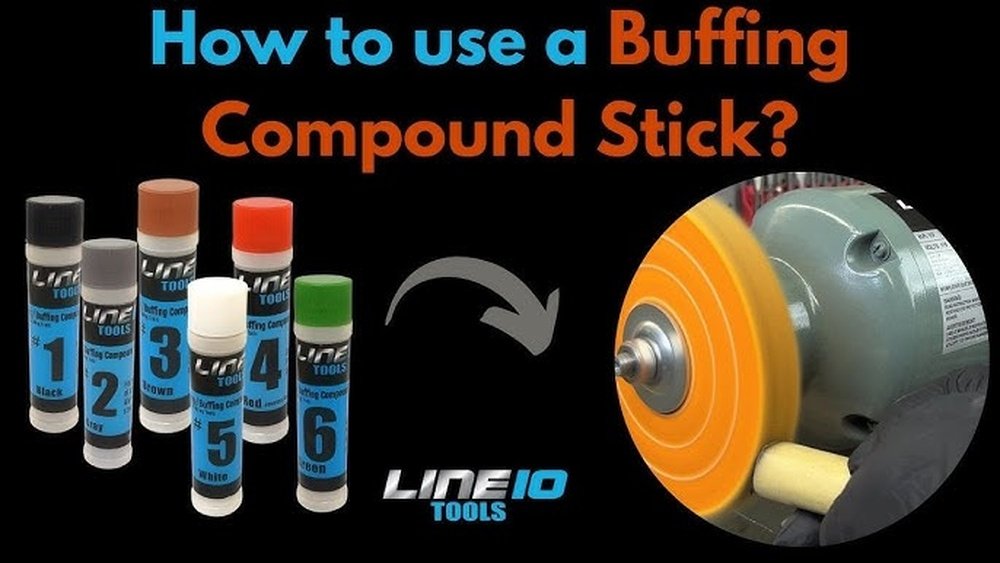
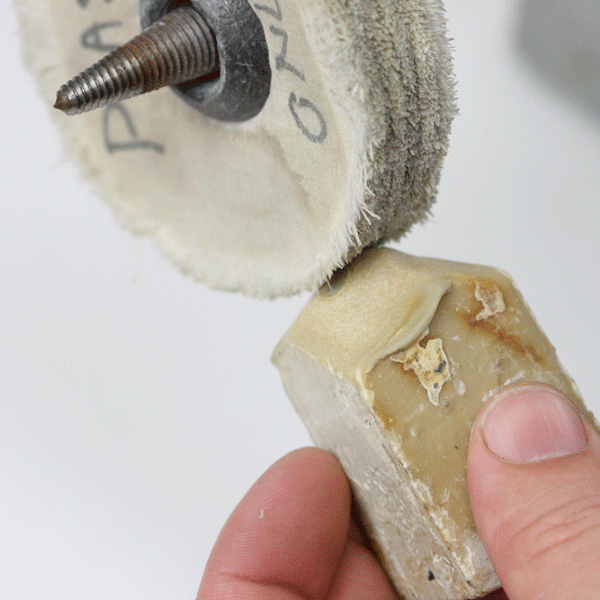
Loading The Buffing Wheel
Properly loading the buffing wheel ensures even compound distribution. Hold the wheel still and apply compound along the edge. Spin the wheel slowly to spread the compound outward. Add more compound in small amounts as needed. Avoid overloading, which can cause splatter and uneven polishing. Keep the wheel clean by wiping off old compound regularly. This helps maintain a smooth, effective polishing action.
Polishing Process
The polishing process plays a crucial role in restoring shine and smoothness to surfaces. It removes fine scratches, oxidation, and swirls using a polishing compound. Understanding how to apply the compound correctly ensures a bright, even finish.
This process requires attention to technique, pressure, and speed to avoid damage. Proper handling of the polishing compound brings out the best results on car paint, metal, or other surfaces.
Circular Motion Method
Apply the polishing compound in small, circular motions. This method helps spread the compound evenly across the surface. It also prevents uneven polishing or patchy spots.
Keep the circles small and consistent. Overlapping each circle slightly ensures full coverage. This gentle, steady motion works best for removing fine scratches and oxidation.
Pressure And Speed Control
Use moderate pressure when polishing. Too much pressure can damage the surface. Too little pressure may not remove imperfections effectively.
Adjust the speed of your polisher or hand movements. Low to medium speed is ideal. High speed can cause uneven polishing or swirl marks.
Maintain steady pressure and speed throughout. This balance helps achieve a smooth, glossy finish.
Avoiding Overheating
Polishing generates heat from friction. Excess heat can harm the surface or the compound.
Take breaks to let the surface cool down. Avoid staying too long in one spot. Move the polisher continuously to spread the heat.
Check the surface often. Cool it with a damp cloth if needed. Preventing overheating protects the finish and extends the life of your polishing compound.

Credit: www.wikihow.com
Cleaning Residue
After polishing, cleaning residue is crucial to reveal a smooth, shiny surface. Polishing compounds leave behind tiny particles and oils that dull the finish. Removing these residues ensures a clear view of your work and prevents buildup. A clean surface also helps the next steps, like waxing or sealing, to bond better and last longer.
Wiping With Microfiber Cloth
Start by wiping the polished area with a clean microfiber cloth. Microfiber traps residue without scratching the surface. Use gentle, circular motions to lift off compound remnants. Avoid using rough or abrasive cloths that can cause damage. Change to a fresh cloth if it becomes too dirty.
Using Soapy Water
For stubborn residue, wash the surface with mild soapy water. Mix a few drops of dish soap in a bucket of warm water. Dip a soft sponge or cloth and gently clean the area. This step removes oils and leftover polishing particles. Rinse well with clean water to avoid soap spots.
Inspecting The Surface
After cleaning, inspect the surface closely under good light. Look for any haze, streaks, or leftover residue. Run your fingers over the area to feel for rough patches. If residue remains, repeat wiping or washing as needed. A spotless surface ensures the best final shine and protection.
Refining The Finish
Refining the finish is a key step in using polishing compound. This process makes the surface smooth and shiny. It removes small scratches left from earlier steps. The goal is a clean, clear, and polished look. Proper techniques improve the final result and protect the surface.
Repeating Polishing Steps
Repeat polishing if the surface still shows scratches. Use a light touch with the compound and pad. Work in small sections for even results. Check the surface after each pass. Stop when the finish looks smooth and clear.
Using Finishing Polishes
Finishing polish removes haze and tiny marks left by compound. Apply it with a soft foam pad or cloth. Use slow, circular motions to spread polish evenly. This step adds depth and shine to the surface. Wipe off residue with a clean microfiber towel.
Applying Wax Or Sealant
Wax or sealant protects the polished surface from dirt and damage. Apply a thin, even layer using a foam applicator or cloth. Let it dry to a haze, then buff with a clean towel. This adds gloss and extends the shine’s life. Reapply wax or sealant regularly for best protection.
Common Mistakes To Avoid
Using a polishing compound can greatly improve your surface’s shine and smoothness. Yet, some common mistakes can reduce its effectiveness or even cause damage. Avoiding these errors helps you get the best results and protect your surface.
Skipping Cleaning
Always clean the surface before polishing. Dirt and dust can scratch the surface when rubbed with the compound. Even tiny particles can cause damage. Use soap and water or a suitable cleaner. Dry the area completely before you start polishing.
Overusing Compound
Applying too much compound does not speed up polishing. Excess compound can clog the polishing pad and create uneven results. Use a small amount and add more if needed. Work in small sections for better control and finish.
Polishing Dirty Surfaces
Polishing without cleaning traps grit under the pad. This causes swirl marks and deeper scratches. Check the surface carefully for any dirt or debris. Clean and dry thoroughly to avoid damaging your work.
Expert Tips For Best Results
Using polishing compound correctly can make a big difference in the final shine. Simple tips help avoid damage and get smooth results. Follow these expert tips to polish like a pro and protect your surface.
Test On Hidden Areas
Always try the polishing compound on a small hidden spot first. This test shows how the surface will react. It helps avoid unwanted marks or color changes on visible areas. If it looks good, move on to larger sections.
Keep Polisher Moving
Do not keep the polisher still in one place. Keep it moving gently in slow, circular motions. Staying too long in one spot can cause heat build-up and damage. Moving the polisher helps spread the compound evenly for a smooth finish.
Wear Safety Glasses
Polishing can create dust and small particles. These may fly into your eyes and cause injury. Always wear safety glasses to protect your eyes. This simple step keeps you safe during the polishing process.
Special Considerations
Using polishing compound requires some special care. Different surfaces need different approaches. Understanding these details helps achieve the best shine and avoid damage. Below are key points to consider for various materials and methods.
Polishing Automotive Paint
Automotive paint is delicate and can easily be damaged. Always wash and dry the car before polishing. Use a soft foam pad to apply the compound. Work in small sections with gentle pressure. Avoid staying too long in one spot. This prevents burning the paint or creating swirl marks. After polishing, wipe off residue with a clean microfiber cloth.
Polishing Metal Surfaces
Metal surfaces need a slightly different approach. First, clean the metal to remove dirt and rust. Use a buffing wheel or a soft cloth to apply the compound. Move in steady, circular motions to spread the product evenly. Use moderate pressure to remove scratches and oxidation. Finish by wiping the surface with a dry cloth to reveal a bright shine.
Using Water With Compound
Water can help improve polishing results. It acts as a lubricant and reduces heat buildup. Spray a small amount of water on the surface or the pad. This helps the compound spread smoothly and prevents dust. Keep the area slightly wet but not soaked. Too much water can reduce the compound’s effectiveness. After polishing, dry the surface completely to avoid water spots.
Frequently Asked Questions
Do You Use Water With Polishing Compounds?
Yes, use water sparingly with polishing compounds to reduce friction and improve abrasive movement. It prevents overheating and enhances shine.
What Are The Steps Of Compound Polishing?
Clean the surface thoroughly. Select the right compound and pad. Apply compound evenly by hand or buffing wheel. Polish using circular motions or steady pressure. Wipe off residue with a microfiber cloth. Inspect and repeat if needed. Finish with wax or sealant.
What Comes First, Rubbing Compound Or Polishing Compound?
Rubbing compound comes first to remove rough scratches and sanding marks. Polishing compound follows to refine and enhance the shine.
What Are Common Polishing Mistakes?
Common polishing mistakes include polishing dirty surfaces, applying too much compound, using wrong pads, skipping test spots, and neglecting residue removal.
Conclusion
Using polishing compound correctly brings back a smooth, shiny surface. Always start with a clean, dry area for best results. Apply the compound in small sections using gentle pressure. Work in circular motions to evenly polish the surface. Remove any leftover residue with a soft microfiber cloth.
Take your time and avoid rushing to prevent damage. Regular polishing helps maintain the surface’s appearance and protection. With practice, using polishing compound becomes easier and more effective. Keep these simple steps in mind for a polished, refreshed finish every time.