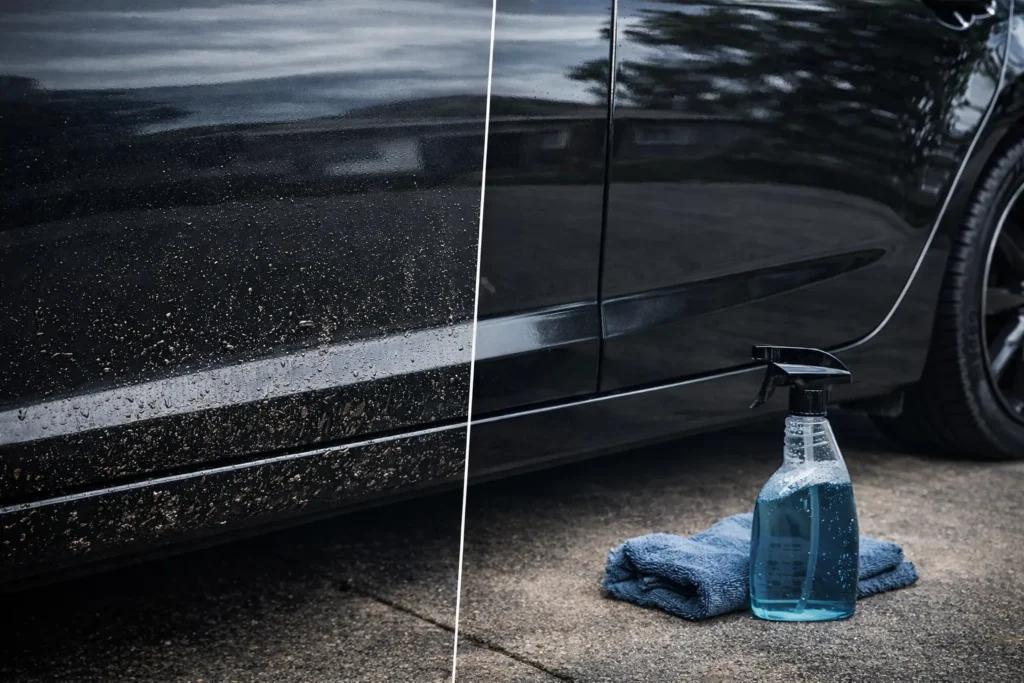
Have you ever noticed sticky black spots on your car’s paint or undercarriage and wondered where they came from? Those stubborn patches are often tar, and they can be more than just an eyesore.
Understanding the different tar types on vehicles can help you protect your ride and keep it looking its best. Whether you’re a daily driver or a car enthusiast, knowing how to identify and deal with tar can save you time, money, and frustration.
Keep reading to discover what tar really is, how it gets on your vehicle, and the best ways to remove it safely. Your car deserves the best care, and you’re about to learn exactly how to give it that.
Credit: www.pro-nano.com
Common Tar Types
Tar on vehicles can come from different sources, affecting how it sticks and how to clean it. Common tar types vary by origin and chemical makeup. Knowing these types helps in choosing the right cleaning method. Tar can be natural or man-made, each with unique traits. This section explores the main tar types found on vehicles.
Natural Tar Varieties
Natural tar comes from organic materials that break down over time. These tars are sticky, dark, and often hard to remove from vehicles. They form from tree resin, coal, or peat. Here are common natural tar types:
- Pine Tar: Made from pine tree resin, often sticky and dark brown.
- Coal Tar: Produced by heating coal, very thick and black.
- Peat Tar: Comes from partially decayed plant material in bogs.
Natural tar can stick to tires, bumpers, and undercarriages. It resists water and can cause paint damage if left too long. Cleaning needs solvents or warm water and scrubbing.
| Tar Type | Source | Appearance | Common Vehicle Areas |
|---|---|---|---|
| Pine Tar | Pine Trees | Sticky, Dark Brown | Wheel Wells, Undercarriage |
| Coal Tar | Coal Processing | Thick, Black | Tires, Bumpers |
| Peat Tar | Bogs and Swamps | Dark, Oily | Undercarriage, Lower Panels |
Synthetic Tar Forms
Synthetic tars are made in factories from petroleum or chemical processes. They are common on roads and can stick to vehicle surfaces. These tars are often used in paving and sealing. Here are key synthetic tar types:
- Asphalt Tar: Used in road paving, sticky and thick.
- Bitumen: A refined form of asphalt, dark and viscous.
- Coal Tar Pitch: A byproduct of coal tar, used in sealants.
Synthetic tar is tougher to remove because it hardens with heat and air. It often appears as black spots or patches on tires and lower car parts. Removal usually needs special tar removers or petroleum-based solvents.
| Tar Type | Source | Use | Vehicle Impact |
|---|---|---|---|
| Asphalt Tar | Petroleum | Road Paving | Sticks to Tires, Paint |
| Bitumen | Petroleum Refining | Sealing, Roofing | Hardens on Car Surfaces |
| Coal Tar Pitch | Coal Tar Processing | Sealants, Coatings | Leaves Sticky Residue |
Credit: emmepolis900.com
Sources Of Tar On Vehicles
Tar on vehicles often appears as black sticky spots or patches. These come from several common sources during everyday driving. Understanding where tar comes from helps in preventing and cleaning it effectively. Tar is a sticky substance used in road construction and industrial processes. It easily sticks to car paint, tires, and undercarriages. Knowing the main places tar originates can prepare vehicle owners to protect their cars better.
Road Construction Zones
Road construction zones are the most common places for tar to get on vehicles. Workers use tar and asphalt to build or repair roads. During these processes, tar can splash or drip on passing cars.
How tar spreads in construction zones:
- Fresh asphalt application: Tar is mixed with gravel to make asphalt. It stays hot and sticky until it cools down.
- Loose tar particles: Vehicles can kick up small tar pieces from the ground.
- Heavy machinery movement: Machines often carry tar residue on their wheels, which transfers to other vehicles.
Vehicles passing through these zones may have tar spots on their body and wheels. Here is a simple table showing tar risk levels by construction activity:
| Activity | Tar Risk Level |
|---|---|
| Applying fresh asphalt | High |
| Road milling or grinding | Medium |
| Traffic control only | Low |
Tip: Slowing down and keeping distance in construction zones reduces tar splatter on cars.
Industrial Areas
Industrial areas can also be a source of tar on vehicles. Many factories and plants use tar or similar substances in their processes. Vehicles driving near or through these areas may pick up tar particles.
Common sources of tar in industrial zones include:
- Manufacturing plants using bitumen or asphalt
- Storage facilities with tar drums or tanks
- Transport trucks carrying tar products
- Industrial waste or spills on roadways
Vehicles parked near these places for a long time can accumulate tar deposits. Tar dust may also settle on car surfaces, especially after windy weather. Industrial emissions sometimes carry fine tar particles in the air.
To prevent tar buildup in industrial areas:
- Park away from tar storage or processing units
- Wash the vehicle regularly to remove dust and residues
- Use protective car covers if parking outside for days
Paved And Unpaved Roads
Both paved and unpaved roads contribute to tar accumulation on vehicles. Paved roads often have tar in their asphalt layers. Driving on damaged or freshly sealed roads increases tar contact with tires and car bodies.
Unpaved roads may contain loose tar mixed with gravel. Vehicles driving fast on these roads can throw tar particles upward. This causes tar stains on lower car panels and wheel wells.
Key tar sources on different road types:
| Road Type | Tar Source | Vehicle Areas Affected |
|---|---|---|
| Paved Roads | Asphalt wear, road sealing | Lower body, tires, undercarriage |
| Unpaved Roads | Loose tar mixed with gravel | Wheel wells, lower panels, bumpers |
Tips for drivers:
- Drive slower on recently sealed roads
- Avoid sharp turns or sudden stops on tarred surfaces
- Inspect and clean tires after unpaved road trips
Effects Of Tar On Vehicles
Tar on vehicles is a common issue after driving on newly paved roads or construction zones. This sticky, black substance sticks firmly to the surface. It affects a vehicle in several ways beyond just being dirty. Understanding the effects of tar on vehicles helps in maintaining your car’s appearance and value. Tar can cause damage to the paint, increase the risk of corrosion, and spoil the vehicle’s look. Removing tar quickly is important to prevent long-term harm.
Paint Damage
Tar stains are tough to remove and can harm your vehicle’s paint. The sticky nature of tar holds dirt and debris tightly against the surface. Over time, this can lead to scratches and dulling of the paint. Tar contains chemicals that may soften or dissolve clear coats and paint layers.
How tar damages paint:
- Hard to remove without scrubbing, which can scratch paint.
- Chemicals in tar can break down paint and protective coatings.
- Trapped dirt in tar can cause abrasion.
- Sun exposure with tar present can fade colors.
Below is a table showing common paint layers affected by tar and the impact:
| Paint Layer | Effect of Tar |
|---|---|
| Clear Coat | Softening, dulling, peeling |
| Base Coat | Color fading, weakening |
| Primer | Exposure if paint is worn, leads to corrosion |
Regular washing and prompt tar removal protect the paint. Use products made for tar removal to avoid damage. Avoid harsh scrubbing or abrasive tools.
Corrosion Risks
Tar itself is not corrosive, but it can cause corrosion indirectly. When tar covers the paint, it traps moisture and dirt close to the metal parts. This creates an environment for rust to develop. Small paint chips under the tar also expose metal to air and water.
Factors increasing corrosion risk due to tar:
- Trapped water stays longer on metal surfaces.
- Road salt and chemicals stick to tar and metal.
- Scratches under tar expose bare metal.
- Heat from the sun can speed up rust formation.
Here is a simple overview of the corrosion process linked to tar:
- Tar sticks to paint and traps moisture.
- Moisture and dirt stay against metal parts.
- Paint chips or cracks under tar expose metal.
- Metal reacts with water and oxygen, causing rust.
Removing tar quickly reduces these risks. Inspect your vehicle for tar spots and clean them with safe products. Protect the paint with wax or sealants after cleaning.
Aesthetic Impact
Tar negatively affects the look of your vehicle. It appears as dark, sticky spots that stand out on clean paint. Tar can make a car look neglected or dirty even after washing. This reduces the vehicle’s curb appeal and resale value.
Visual problems caused by tar:
- Black, shiny, or dull spots disrupting uniform paint color.
- Sticky texture attracts more dirt and dust.
- Hard-to-clean areas create uneven surface appearance.
- Tar stains can last for months if not removed.
Below is a checklist for keeping your vehicle looking good despite tar exposure:
- Wash the car regularly, focusing on tar-prone areas.
- Use tar removers or professional cleaning services.
- Apply protective coatings to prevent tar adhesion.
- Park away from tarred roads or construction zones if possible.
Maintaining a clean, tar-free surface keeps your vehicle looking fresh and cared for. This simple step helps maintain your car’s value and pride of ownership.
Removal Techniques
Tar stuck on vehicles is a common problem for many drivers. This sticky substance can damage the paint and make the car look dirty. Removing tar safely and effectively is important to keep the vehicle’s surface smooth and clean. Several removal techniques exist, each with its own benefits and precautions. Understanding these methods helps to choose the best way to clean tar without harming the vehicle.
Chemical Solvents
Chemical solvents are popular for breaking down tar quickly. They work by softening the sticky tar, making it easier to wipe away. Many products are made specifically for tar removal and can be found in auto stores.
Common types of chemical solvents include:
- Mineral spirits
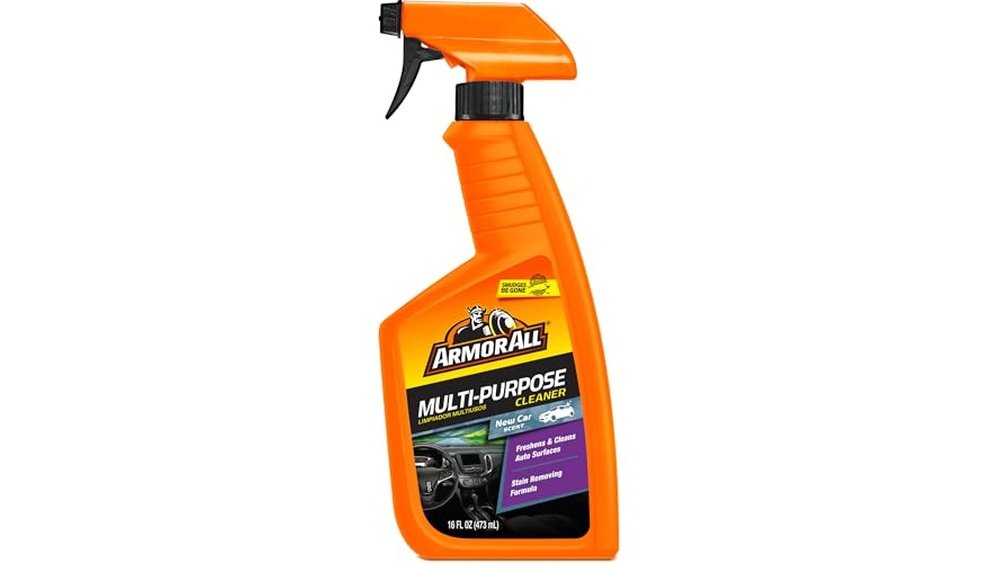
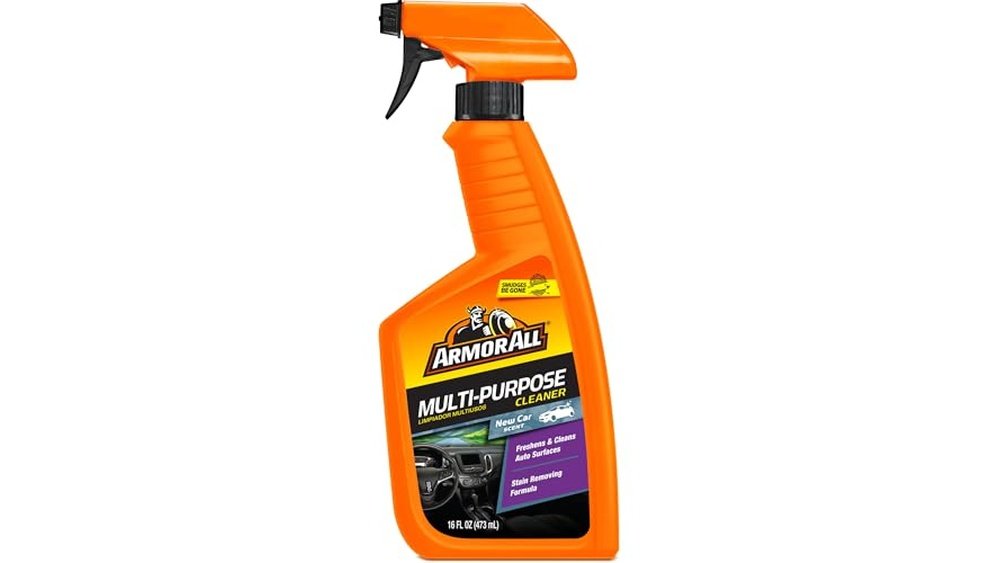
- Tar removers
- WD-40
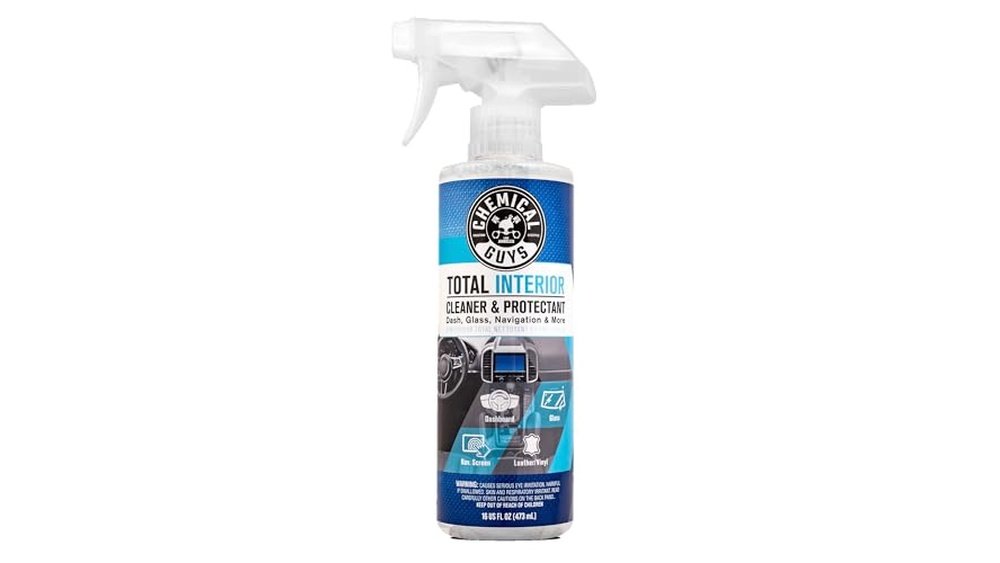
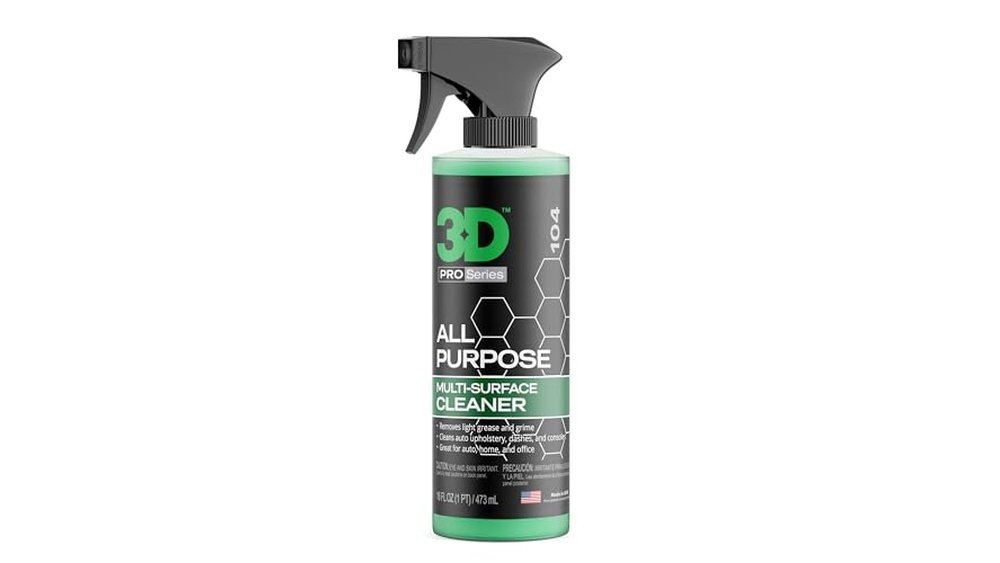
- Commercial automotive cleaners
These solvents are applied with a cloth or sponge. Let the solvent sit on the tar for a few minutes to dissolve the residue. Then, gently rub the area until the tar lifts off.
| Solvent | Usage Tips | Precautions |
|---|---|---|
| Mineral Spirits | Apply with soft cloth, let sit 2-3 mins | Avoid on plastic trims, test on small area first |
| WD-40 | Spray directly, wipe gently | Wash area after use to remove residue |
| Commercial Tar Removers | Follow package instructions carefully | Use gloves, avoid eye contact |
Safety tips: Always wear gloves and work in a well-ventilated space. Avoid harsh scrubbing to protect the paint. Test solvents on a small hidden spot before full use.
Mechanical Methods
Mechanical methods use physical force to remove tar. These techniques are useful for thick or hardened tar spots. They involve careful scraping or rubbing to avoid paint damage.
Common mechanical methods include:
- Plastic scrapers
- Microfiber cloths
- Clay bars
Plastic scrapers help lift tar without scratching paint. Always use plastic, never metal, to reduce risk. Clay bars are effective for gently pulling tar and other contaminants from the surface.
Steps for mechanical removal:
- Wash the affected area with soap and water.
- Apply a lubricant such as soapy water or clay lubricant.
- Rub the clay bar gently over the tar spot.
- Use a plastic scraper for larger chunks, moving carefully.
- Rinse and dry the area after removal.
Important notes: Mechanical methods work best after softening tar with solvents. Avoid excessive pressure to prevent paint scratches. Keep the surface lubricated during clay bar use.
Professional Cleaning Services
Professional cleaning services provide expert tar removal with minimal risk. Technicians use specialized tools and products designed for vehicle surfaces. This option suits heavy tar buildup or delicate paint jobs.
Benefits of professional services:
- Expert knowledge on safe removal techniques
- Access to industrial-grade solvents and equipment
- Protection of vehicle paint and finish
- Time-saving and convenient
Professionals may use steam cleaning, high-quality chemical treatments, and precision tools. They ensure the tar is removed completely without damaging the car.
What to expect:
- Initial inspection of the tar spots
- Selection of the best removal method
- Application of solvents and mechanical removal
- Cleaning and polishing of the treated area
- Final check to ensure no residue remains
Consider professional cleaning for stubborn tar or if unsure about DIY methods. It can save money in the long run by preventing paint damage.
Prevention Tips
Tar stains on vehicles can cause damage and make your car look dirty and old. Preventing tar buildup is easier than removing it later. Following simple steps helps keep your vehicle clean and protected. These prevention tips focus on three key areas: protective coatings, regular washing, and driving habits. Each plays an important role in reducing tar deposits and maintaining your car’s appearance.
Protective Coatings
Applying protective coatings to your vehicle creates a strong barrier against tar and other contaminants. These coatings make it harder for tar to stick, allowing easier cleaning later. Two common types of coatings are:
- Wax-based coatings: Provide a thin layer of protection that repels dirt and tar.
- Ceramic coatings: Offer a durable, long-lasting shield that resists tar buildup.
Benefits of protective coatings include:
| Benefit | Description |
|---|---|
| Easy Cleaning | Tar and dirt wash off quickly without harsh scrubbing. |
| Surface Protection | Prevents paint damage from tar chemicals and UV rays. |
| Long-Term Savings | Reduces the need for professional cleaning and repairs. |
Applying a protective coating is best done in a clean, dry environment. Follow product instructions carefully. Reapply coatings every few months to keep protection strong.
Regular Washing
Keeping your vehicle clean with regular washing helps remove tar before it hardens. Tar is easier to remove when fresh. Washing also removes dirt that can trap tar on surfaces.
Tips for effective washing:
- Use a gentle car shampoo that does not strip wax or coatings.
- Rinse your car thoroughly to loosen dirt and tar particles.
- Use a soft sponge or microfiber cloth to avoid scratching paint.
- Wash tar-prone areas such as wheel wells, bumpers, and lower panels carefully.
Regular washing schedule suggestions:
- Wash your car at least once every two weeks.
- Increase washing frequency after driving on new roads or construction zones.
- Use a tar remover product for stubborn spots during washing.
Proper drying after washing prevents water spots and keeps coatings intact. Avoid harsh chemicals that can damage the paint or coatings.
Driving Habits
Driving habits affect how much tar collects on your vehicle. Some roads have more tar or loose gravel, increasing tar buildup risk. Choosing your routes and driving style reduces tar exposure.
Ways to adjust driving habits:
- Avoid driving on freshly paved roads or construction sites when possible.
- Keep a safe distance behind trucks and heavy vehicles to avoid debris.
- Drive at moderate speeds on rough or gravel roads to limit tar splashing.
- Park in covered or shaded areas to protect your car from heat softening tar.
Good driving habits protect your vehicle’s surface and reduce time spent cleaning. Stay alert to road conditions to prevent tar damage early.

Credit: commons.wikimedia.org
Frequently Asked Questions
What Are The Common Tar Types Found On Vehicles?
Common tar types on vehicles include road tar, asphalt residue, and pitch. These sticky substances come from road surfaces. They often adhere to tires, wheel wells, and undercarriages after driving on freshly paved roads or construction zones.
How Does Tar Affect Vehicle Paint And Surfaces?
Tar can damage vehicle paint by sticking firmly and causing stains. Over time, it may lead to paint deterioration and discoloration. Removing tar promptly helps preserve the vehicle’s appearance and prevents long-term damage to the surface.
What Is The Best Way To Remove Tar From A Vehicle?
Use a commercial tar remover or specialized cleaning product. Apply it gently with a microfiber cloth and rinse thoroughly. Avoid harsh scrubbing to protect the paint. Regular cleaning prevents tar buildup and maintains vehicle shine.
Can Tar Buildup Cause Mechanical Issues On Vehicles?
Yes, excessive tar buildup can clog brake components or interfere with wheel functions. It may cause uneven tire wear or reduce braking efficiency. Regular inspection and cleaning help prevent mechanical problems caused by tar accumulation.
Conclusion
Tar on vehicles can damage paint and make cleaning hard. Removing tar quickly protects your car’s surface. Use gentle cleaners and soft cloths for the best results. Avoid harsh scrubbing to keep paint safe. Regular washing helps stop tar build-up over time.
Taking care of your vehicle keeps it looking fresh and new. Small efforts make a big difference in car care. Stay patient and consistent for a clean, shiny vehicle.