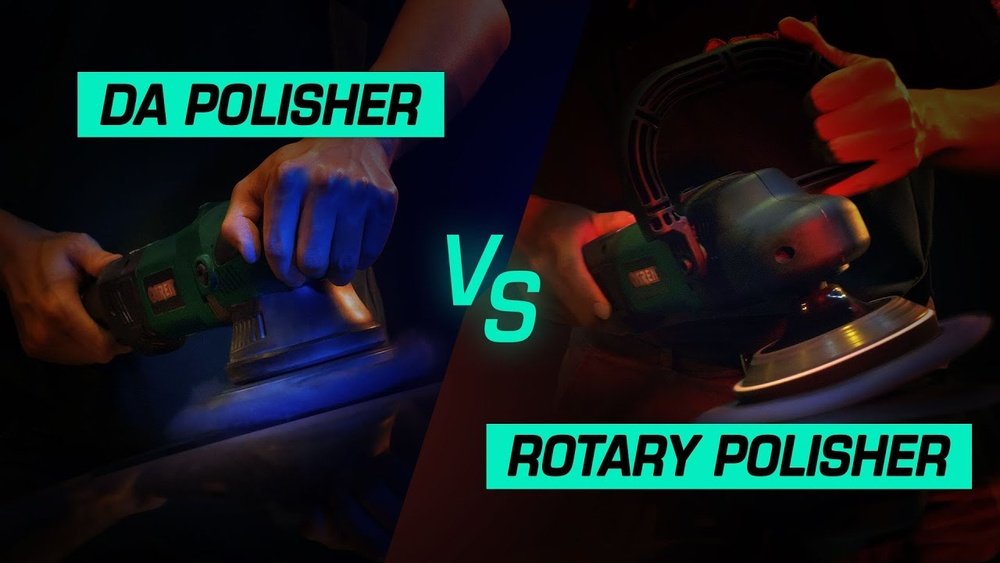
When it comes to polishing your car’s paint, choosing the right tool can make all the difference. You might be wondering: should you go for a Dual Action polisher or a Rotary polisher?
Each has its strengths, and knowing which one fits your needs can save you time, effort, and even protect your paint job. Whether you’re a beginner looking for an easy-to-use option or a pro tackling tough scratches, this guide will help you understand the key differences.
By the end, you’ll feel confident picking the perfect polisher to get your car’s finish looking flawless. Let’s dive in and find out which polisher is the best match for you!
Polisher Mechanics
Understanding how polishers work helps you choose the right tool for your car care. The mechanics behind rotary and dual action polishers differ. This affects their performance and safety on your vehicle’s paint. Let’s explore these differences clearly.
Rotary Motion Explained
A rotary polisher spins the pad in a single, continuous circle. This motion is fast and powerful. It removes scratches and defects quickly. The speed and direct action make it ideal for heavy paint correction. However, the constant spinning can create heat. This heat can damage paint if not handled carefully. It requires skill to control the rotary polisher safely.
Dual Action Movement
A dual action polisher moves in two ways at once. It spins the pad in a small circle and moves the whole head in a larger orbit. This random movement reduces heat build-up. It lowers the risk of paint burns or swirls. The dual action motion is gentler on the paint surface. It is safer for beginners and general polishing tasks. This polisher works well for swirl removal and light correction.
Cutting Power
Cutting power is a key factor when choosing between a dual action polisher and a rotary polisher. It determines how well the tool removes scratches, oxidation, and imperfections from the paint. Different polishers offer different levels of cutting ability. Knowing their strengths helps you pick the right one for your car care needs.
Rotary Aggressiveness
Rotary polishers spin in a single, fast circle. This motion generates high heat and strong cutting force. It quickly removes deep scratches and heavy oxidation. Professionals prefer rotary polishers for tough paint correction jobs. The aggressive action can damage paint if not handled carefully. It requires skill and experience to use safely.
Dual Action Precision
Dual action polishers move in two ways: spinning and orbiting. This reduces heat build-up and lowers the risk of paint damage. They offer moderate cutting power ideal for light to medium paint correction. The precise movement makes them safer for beginners. Dual action polishers are perfect for swirl removal and polishing without aggressive cutting.
Safety Factors
Safety factors play a crucial role when choosing between a dual action polisher and a rotary polisher. Both tools offer powerful results but differ in how they handle risks. Understanding these risks helps protect your vehicle’s paint and prevents costly mistakes.
Heat Generation Risks
Rotary polishers spin in a single direction at high speeds. This motion creates significant heat on the paint surface quickly. Excess heat can burn the paint or cause clear coat damage. Users must move the polisher constantly to avoid heat buildup.
Dual action polishers combine spinning and orbiting movements. This reduces heat buildup during use. It is safer for beginners or sensitive paint finishes. The tool’s design helps avoid hot spots that can harm the paint.
Paint Damage Potential
Rotary polishers remove defects faster but can easily cause swirl marks or holograms. Improper use leads to paint thinning or burning through clear coat layers. Skilled operators achieve great results but must be cautious.
Dual action polishers have a gentler polishing action. They reduce the risk of damaging the paint surface. This tool is ideal for regular maintenance and light correction. It offers a safer experience for less experienced users.

Credit: www.drbeasleys.com
Finish Quality
Finish quality defines the final look of your car’s paintwork after polishing. It shows how smooth, shiny, and clear the surface appears. The quality depends on the polisher type, technique, and product used. Both dual action and rotary polishers deliver good results but differ in their finish style and risk level.
Rotary Polisher Results
Rotary polishers spin in one direction at high speed. They cut deep into the paint, removing scratches and defects quickly. This tool can create a very smooth and glossy finish with a professional touch. The results often look sharper and more reflective.
However, the heat generated can damage paint if used improperly. It requires skill and control to avoid burning or creating swirl marks. Experts prefer rotary polishers for tough paint correction jobs because of their strong cutting ability and finish quality.
Dual Action Polisher Results
Dual action polishers move in two ways: spinning and orbiting. This action reduces heat and lowers the risk of paint damage. The finish tends to be more natural and less aggressive.
They work well for light to moderate polishing and removing swirl marks. The results show a clean, smooth surface with good shine. This polisher is easier to use and safer for beginners or regular maintenance.
User Experience
User experience plays a big role in choosing between a dual action polisher and a rotary polisher. How easy they are to use and how comfortable they feel can change the entire polishing process. Both tools offer unique handling and control, which affects the results and user confidence. Understanding these differences helps pick the right polisher for your needs.
Beginner Friendliness
Dual action polishers are designed with beginners in mind. Their orbiting motion reduces the risk of burning the paint. They are easier to control and require less skill. You can achieve good results with less practice.
Rotary polishers need more experience to handle well. Their spinning motion can cause damage if not used carefully. They demand steady hands and knowledge of technique. Beginners may find them challenging and risky.
Professional Preferences
Professionals often choose rotary polishers for heavy cutting and correction. They provide faster and more powerful results. Experts value the precision and control that rotary machines offer.
Many pros also use dual action polishers for finishing work. They rely on the safety and versatility of DA polishers. Professionals switch between tools depending on the job type and paint condition.

Credit: carwashwiz.com
Best Use Cases
Choosing the right polisher depends on the task at hand. Both dual action and rotary polishers serve different purposes. Understanding their best use cases helps achieve perfect results safely and efficiently. Below are key scenarios where each polisher excels.
Heavy-duty Correction
Rotary polishers handle heavy-duty correction with ease. They remove deep scratches and severe paint defects quickly. The powerful, consistent motion allows aggressive cutting. Professionals prefer rotary polishers for major paint restoration jobs. Dual action polishers struggle with tough imperfections but reduce risk of paint damage.
Routine Polishing
Dual action polishers shine in routine polishing tasks. Their random orbit motion provides safe and even coverage. They work well for light paint correction and surface enhancement. Beginners and hobbyists find dual action polishers easy to control. Rotary polishers can be too intense for daily or light polishing.
Swirl Mark Removal
Dual action polishers are ideal for removing swirl marks. The gentle, orbiting action minimizes heat buildup and paint burning. They effectively erase fine scratches and holograms. Rotary polishers can remove swirls but require skill to avoid new damage. Dual action tools offer a safer, user-friendly approach for swirl correction.
Cost And Maintenance
Understanding the cost and maintenance of a dual action polisher and a rotary polisher helps make the right choice. These tools differ not only in price but also in how much care they need. Budget and time for upkeep matter for every user.
Initial Investment
A dual action polisher usually costs less for beginners. It is designed for safe and easy use. A rotary polisher is often more expensive because it is powerful and made for experts. The price also depends on the brand and features. Choosing the right tool depends on your needs and skill level.
Upkeep And Longevity
Dual action polishers require less maintenance. Their parts wear slowly due to lower speed and gentler motion. You need to clean the pads and check the machine regularly. Rotary polishers need more care. Their high speed causes faster wear on parts like brushes and gears. Regular lubrication and part replacement keep them working well. Both tools can last for years if you maintain them properly.
Choosing Your Polisher
Choosing the right polisher affects the quality of your car’s finish. Each tool has strengths and suits different needs. Understanding these differences helps you pick the best one for your work. Consider your skill level and the type of project before deciding.
Skill Level Considerations
Dual action polishers are easier to use for beginners. They reduce the risk of damaging paint due to their gentle motion. Rotary polishers need more skill and control. They spin fast and can cause burns or swirl marks if handled incorrectly. Beginners benefit from starting with a dual action polisher. Experienced users may prefer rotary polishers for their power and speed.
Project Requirements
Heavy correction tasks like deep scratches need a rotary polisher. It cuts paint quickly and efficiently. For light polishing and swirl removal, a dual action polisher works well. It offers a safer option for regular maintenance. Large surfaces can take longer with a dual action tool but reduce risk. Match your polisher choice with the job’s demands to get the best results.

Credit: www.youtube.com
Frequently Asked Questions
Which Is Better, A Rotary Or Dual Action Polisher?
A rotary polisher cuts faster and handles heavy defects well. A dual action polisher offers safer, easier finishing with less paint risk. Choose rotary for aggressive correction, dual action for general polishing and swirl removal.
What Polisher Do Professionals Use?
Professionals use rotary polishers for heavy cutting and deep scratches. Dual action polishers suit general polishing and swirl removal. Rotary polishers require experience due to higher risk, while dual action polishers offer safer, user-friendly finishing results.
Is A Dual Action Polisher Worth It?
A dual action polisher is worth it for most users. It safely delivers a smooth, swirl-free finish and is easy to use.
Can You Buff With A Dual Action Polisher?
Yes, you can buff with a dual action polisher. It safely removes light imperfections and enhances shine without damaging paint.
Conclusion
Choosing between a dual action polisher and a rotary polisher depends on your needs. Dual action polishers are safer and easier for beginners. Rotary polishers work best for heavy cutting and deep scratches. Both tools can give your car a shiny finish.
Consider your skill level and the job before deciding. Use the right polisher to protect your car’s paint. Keep your vehicle looking great with the correct tool. Simple, safe, and effective—pick what suits you best.