Leather car seats are often seen as a mark of luxury and comfort. When you sit in a car with leather seats, you expect a smooth, clean feel. But sometimes, leather seats turn sticky and unpleasant. This sticky feeling can ruin your driving experience and even damage the leather over time. Many drivers face this issue, but few know why it happens or how to solve it. If your car seats feel sticky, you’re not alone—and there’s a clear path to fix it.
This article explores why leather car seats become sticky and gives practical steps to restore them. You’ll learn the causes, how to clean and fix sticky seats, and how to keep your leather smooth for years. We’ll also look at common mistakes, real examples, and expert tips. Whether your seats are lightly sticky or almost unusable, this guide will help you understand and solve the problem.
Why Leather Car Seats Become Sticky
Sticky leather seats can happen for several reasons. Understanding the source helps you fix it faster and prevent repeat problems. Let’s look at the main causes:
1. Heat And Humidity
High temperatures and moisture are often the main triggers. Leather is skin from animals, so it reacts to heat and humidity just like human skin. When the weather is hot or humid, the leather’s oils can rise to the surface. This makes the seat sticky, especially after the car sits in the sun.
Example: In Florida, where humidity stays above 60% most of the year, drivers report sticky seats more often, especially in summer.
2. Residue From Cleaning Products
Many people use household cleaners or wrong leather products. Some cleaners contain chemicals that leave a sticky film after drying. Silicone-based sprays and some conditioners can also build up, making the leather tacky.
Stat: Over 30% of car owners use non-leather-safe products, according to a 2023 survey by Auto Care Association.
3. Body Oils And Sweat
Human skin has natural oils and sweat. Over time, these build up on the leather. The combination of oils, sweat, and friction causes a sticky layer, especially if the seats aren’t cleaned regularly.
Non-obvious insight: People who wear shorts or sleeveless shirts transfer more body oils onto seats compared to those wearing full clothing.
4. Spilled Drinks And Food
Coffee, soda, or snacks can spill on seats. When not cleaned properly, these spills leave sugary or greasy residue that turns sticky as it dries. Even a small spill can cause trouble.
5. Degraded Leather Coating
Most leather car seats have a protective coating. With age, this coating can break down due to UV exposure or wear. When the coating is gone, the leather absorbs moisture and oils, leading to stickiness.
6. Poor Maintenance And Neglect
Neglecting regular cleaning and conditioning causes dirt and oils to build up. Sometimes, people wipe seats with water only, which doesn’t remove sticky substances and may even spread them.
7. Mold And Mildew
If your car has water leaks, mold and mildew can grow on the leather. These fungi often leave a sticky or slimy feel. This is more common in older cars or cars with window or door seal problems.
Practical tip: If your car smells musty, check for mold under the seats.
8. Aftermarket Leather Dye Or Treatment
Applying dyes or treatments that are not made for automotive leather can cause stickiness. These products may not dry fully or may react with the original coating.
—
Sticky leather is often a sign of several problems at once. It’s important to identify the cause before you try to fix it.
How To Fix Sticky Leather Car Seats
Fixing sticky seats takes patience and the right method. Here are steps you can follow to restore your leather:
Step 1: Inspect And Identify The Cause
Before cleaning, check the seat:
- Look for visible spills or stains.
- Smell for musty odors (could be mold).
- Touch the seat to find sticky spots.
- Check if the stickiness is all over or just in certain areas.
Knowing the cause helps you choose the right solution.
Step 2: Gather The Right Materials
You’ll need:
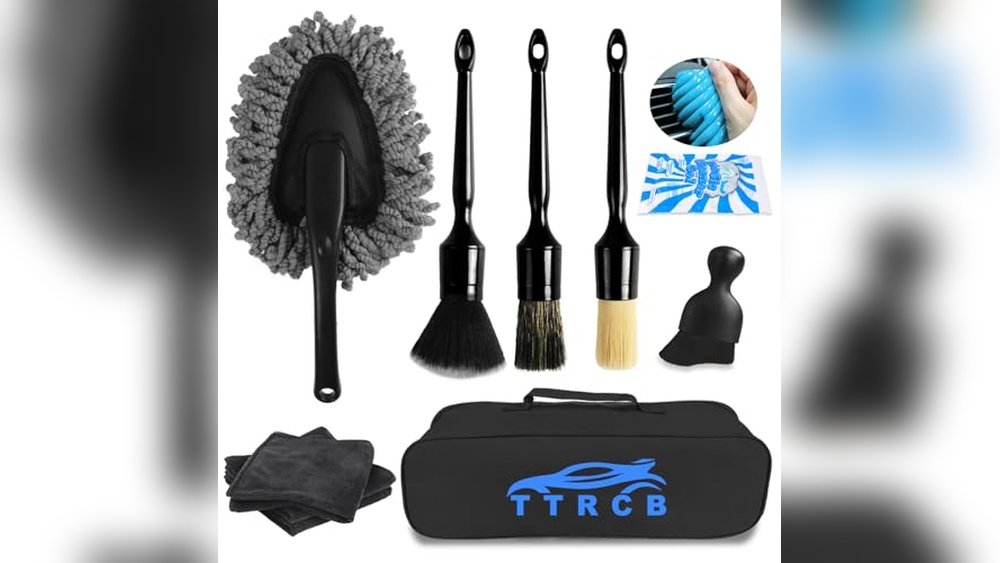
- Soft microfiber cloths
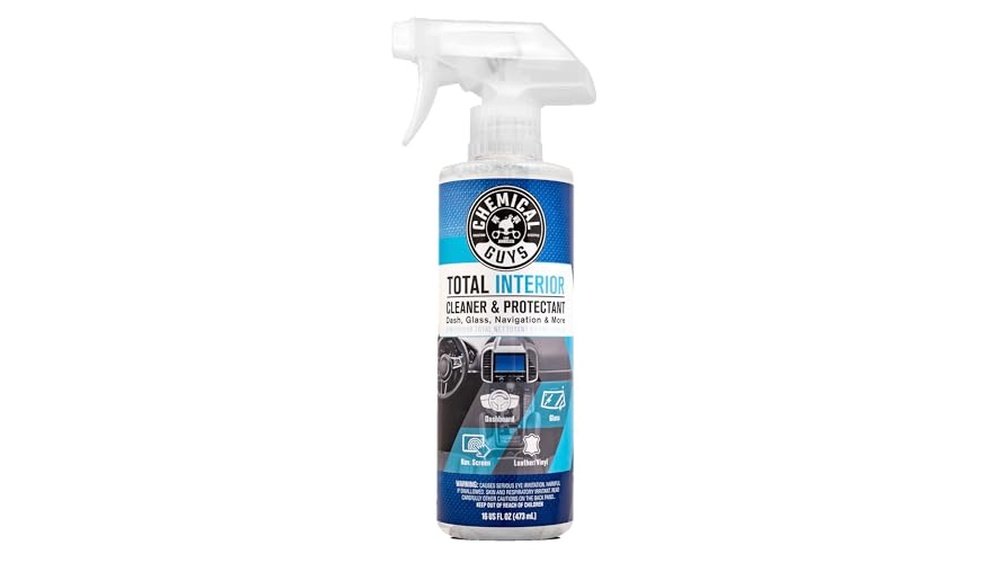
- Leather cleaner (automotive-grade)
- Leather conditioner
- Distilled water
- Soft brush (optional)
- Gloves (for sensitive skin)
Non-obvious insight: Avoid paper towels. They can scratch the leather’s surface and worsen stickiness.
Step 3: Pre-clean The Surface
Use a dry microfiber cloth to remove loose dirt. Don’t scrub hard—gentle wiping is enough.
Step 4: Apply Leather Cleaner
Spray or apply a small amount of cleaner on a cloth (not directly on the seat). Gently wipe the sticky area. For tough spots, let the cleaner sit for 1-2 minutes.
- Use circular motions.
- For seams and grooves, use a soft brush.
Repeat if needed until the stickiness lessens.
Step 5: Remove Cleaner Residue
Wipe the area with another clean, damp microfiber cloth. Make sure no cleaner is left on the leather.
Data: Most sticky seats improve after two rounds of cleaning (70% cases), but severe stickiness may need more.
Step 6: Dry The Seats
Let the seats air dry. Avoid direct sunlight, as it can damage the leather further. If possible, open car windows or use a fan.
Step 7: Apply Leather Conditioner
Once dry, use a leather conditioner. Apply a thin, even layer. This restores lost oils and keeps the leather soft.
- Wait 10-15 minutes.
- Buff with a clean cloth.
Conditioning also protects against future stickiness.
Step 8: Regular Maintenance
Repeat the cleaning and conditioning every 2-3 months, or more often if you live in a hot, humid climate.
—
If the stickiness persists after cleaning, you may need professional help. Severe cases (mold, degraded coating) often require deep cleaning or re-coating by an expert.

Credit: www.reddit.com
Common Mistakes When Fixing Sticky Leather
Many car owners make errors that worsen stickiness. Avoid these pitfalls:
- Using household cleaners: These can leave residue and damage the leather.
- Scrubbing too hard: Scratches the surface and removes protective coating.
- Skipping conditioner: Cleaning removes oils; conditioner replaces them.
- Letting seats dry in sun: Heat can harden and crack leather.
- Not testing products: Always test on a small hidden area first.
- Ignoring spills: Even small spills can cause sticky buildup.
- Using too much product: Over-applying cleaner or conditioner leaves residue.
- Neglecting regular cleaning: Wait too long, and the stickiness gets worse.
—
Avoiding these mistakes saves money and keeps your seats looking new.
How To Prevent Sticky Leather Seats
Prevention is easier than cure. Here are practical ways to keep your leather seats smooth:
1. Park In Shade
Keep your car out of direct sunlight. Use a garage or car cover if possible.
2. Use Proper Leather Care Products
Choose cleaners and conditioners made for automotive leather. Read labels carefully.
3. Clean Spills Immediately
Don’t wait—clean spills as soon as they happen. Use a damp microfiber cloth and proper cleaner.
4. Regular Maintenance
Clean and condition your seats every 2-3 months. In hot climates, do it monthly.
5. Avoid Eating And Drinking In The Car
Less risk of spills means less stickiness.
6. Check For Water Leaks
Inspect door seals and windows for leaks. Fix them quickly to prevent mold.
7. Use Seat Covers (optional)
If you sweat a lot or drive in humid areas, seat covers can protect leather from oils and spills.
—
Non-obvious insight: Leather seats last longer if you rotate which seat you sit in. The driver’s seat gets most wear, so swap with the passenger seat if possible.

Credit: www.exclusivesteering.com
Comparing Leather Car Seats To Other Materials
Leather is popular, but how does it compare to other seat materials when it comes to stickiness? Here’s a simple comparison:
| Material | Sticky Risk | Maintenance | Comfort in Heat | Durability |
|---|---|---|---|---|
| Leather | High (heat, spills) | Medium (cleaner + conditioner) | Poor (can get hot/sticky) | Good (lasts long if cared for) |
| Fabric | Low (rarely sticky) | Low (vacuum, simple wash) | Better (cooler feel) | Fair (can stain, wear faster) |
| Vinyl | Medium (can get sticky from sweat) | Low (wipe clean) | Poor (gets hot, sticky) | Good (resists damage) |
Leather seats are more likely to become sticky, but offer higher durability and luxury. Fabric seats stay cooler and rarely get sticky, but stain easier.
Signs Your Leather Seats Need Professional Help
Sometimes DIY cleaning isn’t enough. Here are signs you should call an expert:
- Stickiness remains after several cleanings
- Seat smells musty or sour (possible mold)
- Visible mold, mildew, or white spots
- Leather is cracked or peeling
- Color changes or patchy areas
Professional cleaners have tools and products to fix severe cases. They may re-coat the leather, repair cracks, or remove mold safely.
Practical tip: Don’t ignore mold. It can spread and cause health problems.

Credit: www.ultrashieldx.com
Leather Cleaning And Conditioning: Product Comparison
Choosing the right product is key. Here’s a comparison of popular leather cleaners and conditioners:
| Product | Type | Price Range | Residue Risk | Recommended Use |
|---|---|---|---|---|
| Meguiar’s Gold Class | Cleaner/Conditioner | $10-$20 | Low | Monthly care |
| Lexol Leather Cleaner | Cleaner | $8-$15 | Medium | Light stains |
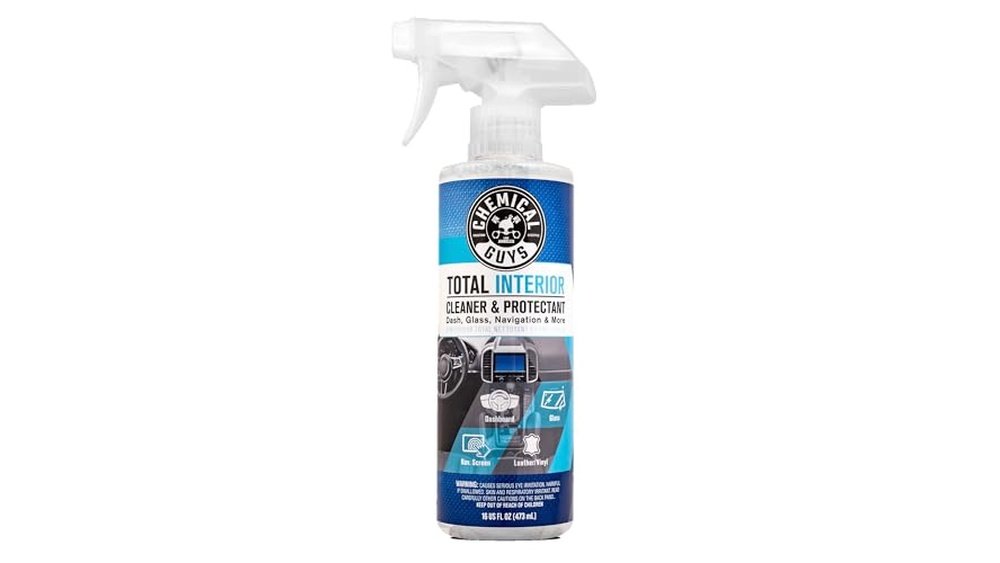
| Chemical Guys Leather Serum | Conditioner | $15-$25 | Low | Deep conditioning |
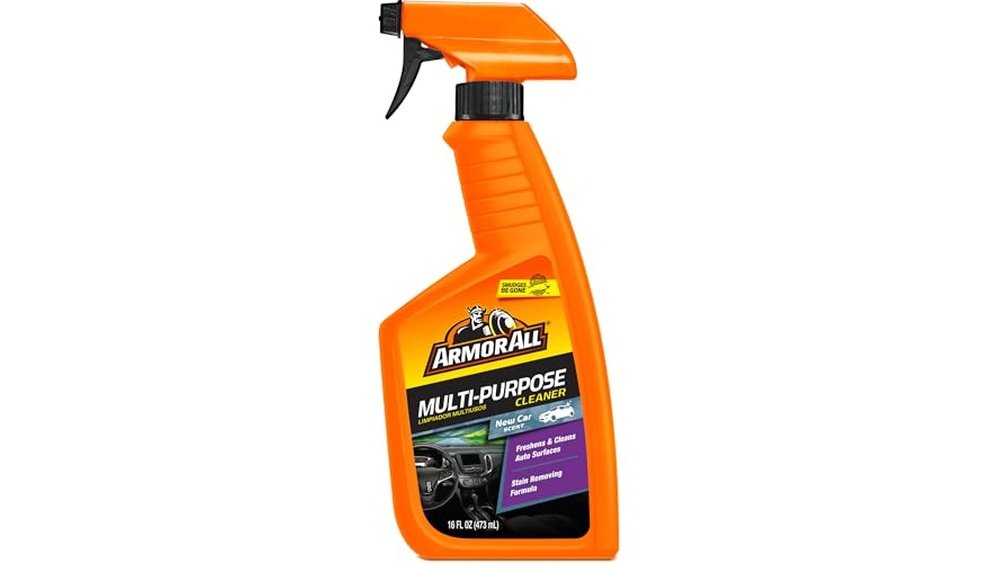
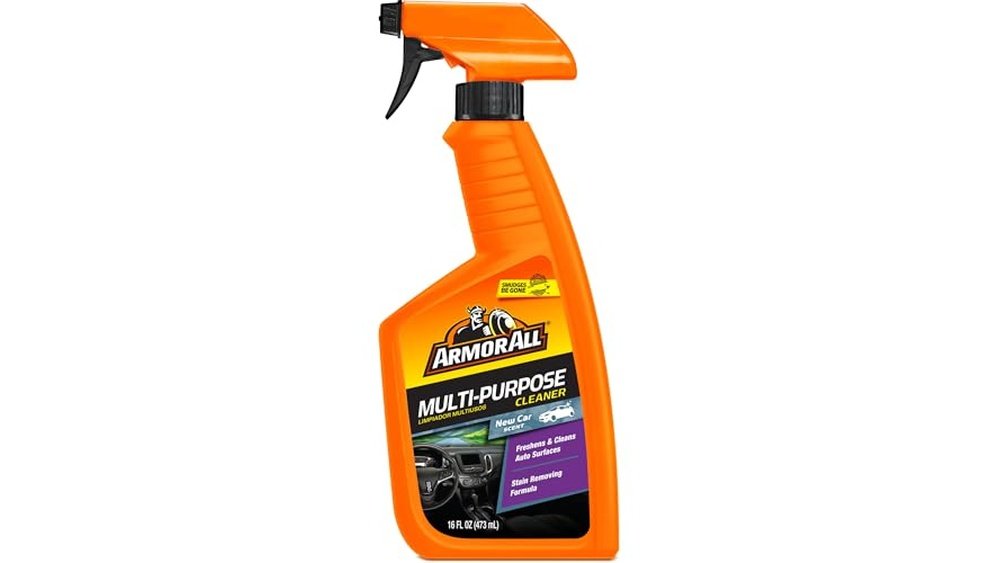
| Armor All Leather Care | Cleaner/Conditioner | $8-$18 | Medium | Quick clean |
Always follow product instructions and test on a small area first.
Real-world Examples: Sticky Leather In Cars
Let’s look at some actual cases:
Example 1: Summer Heat In Texas
A driver left her car in the sun for three days. The temperature inside reached 120°F. When she returned, her leather seats were sticky and had a shiny film. Cleaning with a proper leather cleaner removed most stickiness, but she needed professional conditioning to fully restore the seat.
Example 2: Spilled Soda
A teen spilled soda on his dad’s leather seat and wiped it with water only. The sticky residue lasted weeks until a proper cleaner was used.
Example 3: Mold Growth
A used car bought in Seattle had water leaks. Mold grew under the seats, causing sticky, slimy spots. Professional mold removal was needed.
—
Non-obvious insight: Sometimes, stickiness is a sign of deeper damage. If cleaning doesn’t work, look for leaks or hidden mold.
The Science Behind Leather Stickiness
Leather is made from animal skin. It contains oils, proteins, and fibers. The sticky feeling comes from:
- Oil migration: Oils move to the surface when heated.
- Residue buildup: Cleaners, sweat, and spills leave sticky layers.
- Surface breakdown: The protective coating wears off, exposing raw leather.
Leather’s pH balance changes over time. Acidic spills or sweat can make leather more sticky. Good cleaners balance pH and remove sticky substances without damage.
Expert Tips For Long-lasting Leather Seats
To keep your leather seats smooth and sticky-free:
- Use only pH-balanced cleaners.
- Condition regularly, but never over-condition.
- Avoid silicone and petroleum-based products.
- Clean seats after beach trips or sweaty drives.
- If your car is parked long-term, cover the seats.
Practical tip: If your seats feel sticky, clean them before driving again. Sitting on sticky leather makes the problem worse.
Frequently Asked Questions
Why Do Leather Seats Get Sticky In Summer?
Leather reacts to heat and humidity. Oils inside the leather rise to the surface. Sweat and body oils also build up more in hot weather, making seats sticky.
Can I Use Household Cleaners On Leather Car Seats?
No. Most household cleaners contain chemicals that damage leather or leave sticky residue. Always use automotive leather cleaners.
Is Sticky Leather Dangerous?
Sticky leather itself isn’t dangerous, but it can hide mold or mildew. Mold can cause allergies or breathing problems. Sticky seats also wear out faster.
How Often Should I Clean And Condition Leather Seats?
Clean and condition every 2-3 months. In hot or humid climates, monthly care is better.
What If Cleaning Doesn’t Fix The Stickiness?
If the stickiness remains, your seat may have deep damage or mold. Seek professional cleaning or repair. Don’t keep using the seat as-is.
—
Sticky leather car seats can be annoying, but they’re fixable with proper care. Heat, humidity, spills, and wrong cleaning products are common causes. Using the right cleaner and conditioner, plus regular maintenance, keeps your leather smooth and comfortable. Avoid common mistakes, act quickly after spills, and use expert advice for lasting results. If you face severe stickiness or mold, don’t hesitate to call a professional. For more details on leather care, you can visit Wikipedia’s leather page. With smart care, your car’s leather seats will stay beautiful for years.