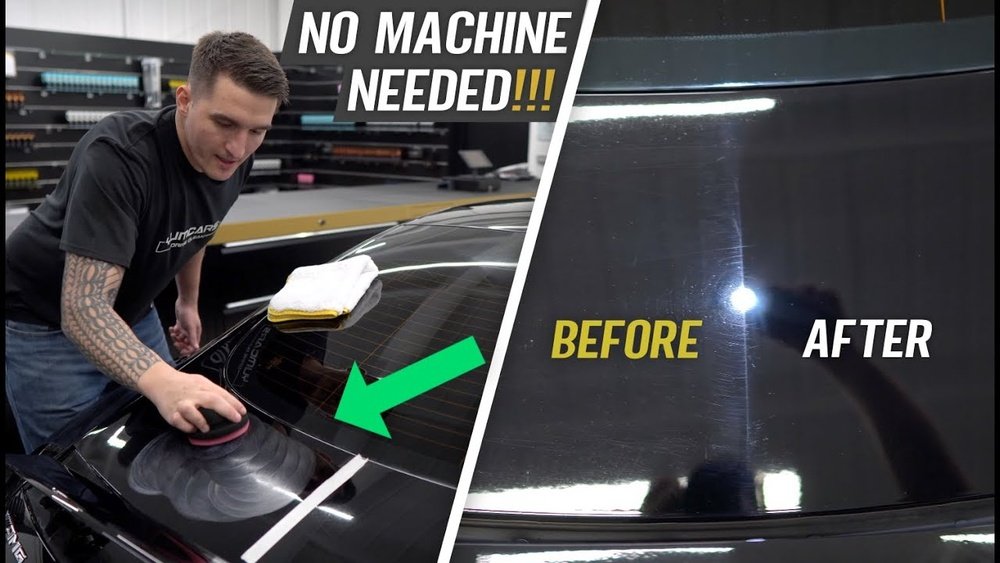
Want to make your car’s paint shine like new without expensive tools? Polishing your car by hand is easier than you think, and it’s a skill anyone can master.
When you polish by hand, you have full control, reducing the risk of damaging your car’s clear coat. Plus, it’s a great way to bring out a deep, glossy finish that turns heads wherever you drive. In this guide, you’ll learn simple, step-by-step methods to hand polish your car effectively and safely.
Ready to give your car that flawless, showroom shine with just your own hands? Keep reading and discover how easy it can be!
Credit: canadiangearhead.com
Preparing The Car Surface
Preparing the car surface is the first step to a successful hand polish. A clean and smooth surface helps the polish work better. Dirt, grime, and contaminants can cause scratches if not removed first. Follow these simple steps to get the car ready for polishing.
Washing And Drying
Start by washing the car to remove loose dirt and dust. Use a gentle car shampoo and a soft microfiber mitt. Rinse the car thoroughly with clean water. Dry the surface with a microfiber towel. Avoid air drying to prevent water spots. Make sure the car is completely dry before moving on.
Removing Contaminants With Clay Bar
A clay bar removes tiny particles stuck to the paint. These particles do not wash off easily. Spray a clay lubricant on the surface. Gently rub the clay bar over the paint in straight lines. You will feel the surface become smooth. Wipe off any residue with a clean microfiber cloth.
Chemical Decontamination
Use a chemical decontaminant to clear iron and brake dust. These contaminants can harm the paint over time. Apply the product as directed on the label. Let it sit for a few minutes to work. Rinse the car well with water. This step ensures the paint is clean and ready for polishing.

Credit: www.turtlewax.com
Choosing The Right Polish
Choosing the right polish is key to getting a great finish by hand. The polish you pick affects the shine and protection of your car’s paint. Each product serves a different purpose and suits certain paint conditions. Knowing the difference helps avoid mistakes and saves time.
Compounds Vs Polishes
Compounds are more abrasive than polishes. They remove deeper scratches and heavy oxidation. Use compounds only if the paint has many imperfections. Polishes are milder and work on light scratches and swirl marks. They refine the paint surface and enhance gloss. Start with polish for minor flaws. Choose compound for severe damage.
Selecting Hand Application Products
Hand application products are designed for easy use without machines. Look for creams or liquids with a smooth texture. Avoid very thick or gritty products that are hard to spread. Choose a polish that dries slowly to allow better buffing. Select products with added wax or sealants for extra shine. Always pick items made for your car’s paint type.
Tools For Hand Polishing
Polishing a car by hand requires the right tools for the best results. Using proper tools helps apply polish evenly and protects your car’s paint. Choosing the right applicator pads and towels makes the process easier and more effective. Below are important tools you need for hand polishing your car.
Types Of Applicator Pads
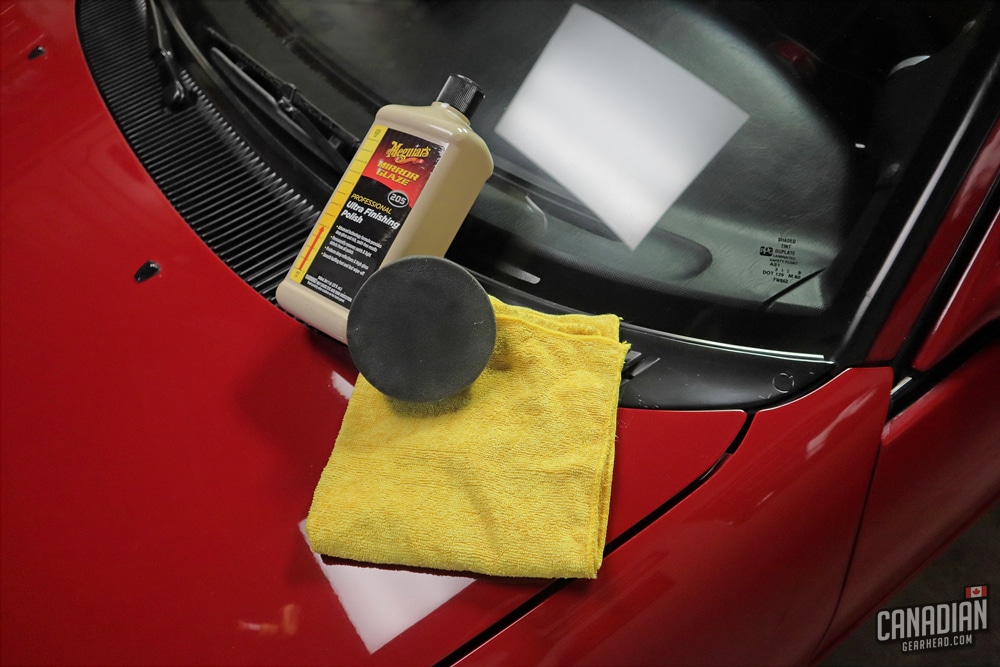
Applicator pads come in various materials and sizes. Foam pads are soft and perfect for applying polish smoothly. They help spread the product evenly without scratching the paint. Cotton pads are also popular and offer a firm grip for better control. Microfiber pads provide good absorbency and work well with liquid polish.
Choose pads that fit your hand comfortably. Smaller pads suit tight areas, while larger pads cover flat surfaces quickly. Using the correct pad type can improve polish coverage and reduce effort.
Microfiber Towels And Cloths
Microfiber towels are essential to wipe off polish residue gently. They are soft and prevent scratching your car’s surface. Use clean, dry towels to buff the paint after polishing. This step helps reveal a smooth, shiny finish.
Use separate towels for polishing and drying to avoid contamination. Wash towels regularly to keep them free from dirt and polish remnants. High-quality microfiber cloths enhance shine and protect your car’s paint.
Hand Polishing Techniques
Hand polishing techniques bring out the best shine in your car’s paint. They require patience and attention to detail. These methods help remove light scratches and swirl marks safely. Hand polishing is gentle and perfect for beginners. It also allows better control on delicate areas.
Applying Polish Evenly
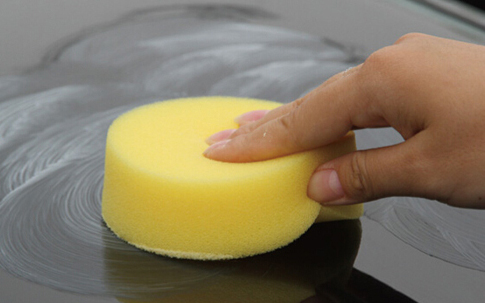
Start by placing a small amount of polish on a soft foam or microfiber applicator. Dab the polish onto the car’s surface in small sections. Spread it evenly using light pressure. Avoid overloading the applicator to prevent streaks. Work methodically to cover the whole panel without missing spots.
Using Circular Motions
Move the applicator in slow, circular motions. This technique helps polish the paint uniformly. Circles should overlap slightly for full coverage. Keep your hand steady and apply gentle pressure. Circular rubbing breaks down the polish and smooths the paint surface. This creates a deep, reflective shine.
Working On Curves And Edges
Curves and edges need special care. Use smaller, controlled motions to follow the shape. Avoid pressing too hard to protect the clear coat. Rotate the applicator around corners to polish every angle. Take your time to reach tight spots carefully. This preserves the finish and keeps the shine consistent.
Dealing With Common Paint Imperfections
Car paint can show many small problems over time. These imperfections reduce shine and smoothness. Polishing by hand helps fix these common paint issues. It brings back the car’s smooth, glossy look. Understanding how to handle each problem is key to good results.
Taking time to polish carefully removes defects without damaging the paint. The process improves the car’s appearance and protects the paint surface. Here are simple ways to deal with common paint imperfections by hand.
Addressing Swirl Marks
Swirl marks look like small circles on the paint. They happen from washing or drying the car incorrectly. Use a soft foam applicator and a fine polish. Apply polish in small, gentle circles to blend the marks. Work on one small area at a time. Wipe off excess polish with a clean microfiber cloth. Repeat if needed until the swirls fade away.
Removing Light Scratches
Light scratches are shallow lines that catch the light. They are easier to fix than deep scratches. Use a polishing compound made for light scratches. Dab a small amount on a foam pad. Rub the compound over scratches with gentle pressure. Move the pad in overlapping circles. Clean the area often to check progress. Stop polishing when scratches are no longer visible.
Handling Oxidation
Oxidation makes paint look dull and chalky. It happens from sun and weather exposure. Choose a polish with mild abrasives to remove the oxidized layer. Apply polish using a soft cloth or pad. Rub evenly across the affected area until the dullness lifts. After polishing, buff the surface with a microfiber towel to restore shine. Regular waxing after polishing helps protect against future oxidation.
Credit: detailxperts.com
Enhancing Shine And Protection
Enhancing shine and protection is key to keeping your car looking great after polishing. Polishing removes imperfections, but adding layers of protection keeps the shine lasting longer. These steps improve the paint’s depth and guard it from damage. Use the right products to get a smooth, reflective finish that stays vibrant.
Each step adds value. Glazes enrich the color and gloss. Sealants and waxes form a protective barrier. Ceramic coatings offer long-term durability. Combining these methods gives your car a showroom shine and strong defense.
Applying Glazes For Depth
Glazes fill tiny scratches and swirl marks on your paint. They add depth by enhancing the gloss and color richness. Use a soft applicator pad to spread glaze evenly. Allow it to haze, then buff off with a clean microfiber cloth. This step makes the paint surface look smoother and more vibrant.
Using Sealants And Waxes
Sealants create a hard, protective layer on your car’s paint. They last longer than traditional waxes and resist dirt and water. Apply sealant with a foam applicator in circular motions. Let it cure, then buff off the residue for a slick finish. Wax adds a warm shine and extra protection. Both protect the paint from UV rays and contaminants.
Benefits Of Ceramic Coatings
Ceramic coatings bond chemically to the paint surface. This offers strong protection against scratches, stains, and oxidation. The coating also makes water bead and slide off easily. It keeps the car cleaner for longer and reduces maintenance time. Applying ceramic coating by hand requires patience but delivers excellent long-term results.
Maintaining The Polished Finish
Maintaining the polished finish on your car keeps it looking fresh and shiny longer. Polishing removes small scratches and imperfections, but the finish can dull without care. Simple steps help protect the shine and extend the life of your work. Consistent care will preserve your car’s beauty and protect the paint.
Regular Washing Tips
Wash your car often to remove dirt and dust that can scratch the paint. Use a gentle car shampoo with a soft sponge or microfiber mitt. Avoid dish soap or household cleaners, as they strip protection. Rinse thoroughly and dry with a clean microfiber towel to prevent water spots.
Avoiding Abrasive Products
Do not use rough brushes or harsh chemicals that can damage the polished surface. Avoid scrubbing pads or strong detergents. Choose products made for automotive finishes. Abrasive materials wear down the clear coat and dull the shine. Handle your car’s surface with care to keep it smooth and glossy.
Reapplying Protection Layers
Apply wax or paint sealant every few months to protect the polish. These layers guard against UV rays, dirt, and moisture. Use a soft applicator pad and work in small sections. Let the product dry to a haze, then buff it off with a clean microfiber cloth. Regular protection boosts shine and helps the polish last longer.
Common Mistakes To Avoid
Polishing a car by hand can be very rewarding. It improves the paint’s shine and smoothness. Yet, mistakes happen often. Avoiding common errors saves time and protects your car’s finish. Learn what to watch out for to get the best results.
Over-polishing
Applying polish too many times harms the clear coat. The clear coat is thin and delicate. Over-polishing can wear it down and cause dull spots. Limit polishing to only what the paint needs. Stop once you see the surface smooth and shiny.
Ignoring Surface Preparation
Polishing without cleaning first wastes effort. Dirt and debris on the surface can scratch the paint. Always wash the car fully before polishing. Use a clay bar to remove embedded contaminants. This makes the surface smooth and ready for polishing.
Using The Wrong Pressure
Applying too much pressure can damage the paint. Too little pressure will not remove scratches or swirls. Use firm but gentle pressure with your hand. Let the polish do the work, not your force. Keep your movements even and slow for best results.
Frequently Asked Questions
Is It Possible To Polish A Car By Hand?
Yes, you can polish a car by hand using a soft applicator and proper polish. Hand polishing is gentle and reduces clear coat damage. It’s ideal for beginners to improve paint shine without a machine. Consistent, careful strokes achieve smooth, glossy results on all surfaces.
Can You Use Wd-40 As Car Polish?
WD-40 is not suitable as car polish. It can remove wax and leave a greasy residue. Use products designed for polishing instead.
How Do Detailers Get Cars So Shiny?
Detailers achieve shine by thoroughly washing, clay barring, polishing with compounds and pads, then applying sealants or ceramic coatings. This multi-step process removes contaminants, corrects paint defects, and protects the surface, resulting in a smooth, reflective, and durable glossy finish.
What’s The Best Way To Polish A Car?
Start by washing and drying your car thoroughly. Use a clay bar to remove contaminants. Apply polish with a foam applicator in small sections using circular motions. Wipe off residue with a microfiber cloth. Finish by applying wax or sealant for protection and shine.
Conclusion
Polishing your car by hand takes patience and care. Use gentle pressure and small, circular motions. Always work on a clean, dry surface to avoid scratches. Hand polishing helps remove minor imperfections and enhances shine. It protects your paint and keeps your car looking fresh.
Regular polishing extends your car’s life and value. Try it yourself for a smooth, glossy finish without special tools. Simple steps bring great results. Keep practicing, and your car will shine like new.