Are you thinking about tinting your car windows in North Carolina? Before you take that step, it’s crucial to know the state’s window tint laws.
These rules affect how dark your tint can be, which windows you can tint, and even what colors are allowed. Ignoring these laws could lead to fines, forced removal of your tint, or even being pulled over by law enforcement.
You’ll discover everything you need to stay legal—like the darkest tints allowed, medical exemptions, new regulations, and what happens if you break the rules. Read on to protect yourself and your vehicle while enjoying the benefits of window tinting.
Credit: www.cartintlaw.com
Legal Tint Limits For Cars
Understanding the legal tint limits for cars in North Carolina is essential for all vehicle owners. The state has set clear rules about how dark your car windows can be tinted. These rules help keep drivers safe and ensure law enforcement can see inside vehicles when needed. Below, we explain the specific tint limits for different types of vehicles.
Passenger Cars Tint Levels
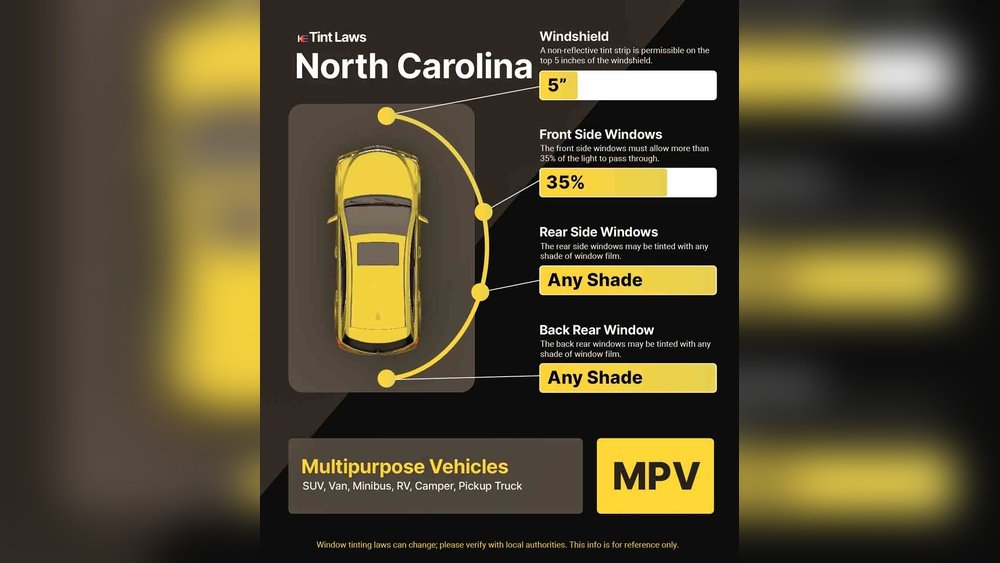
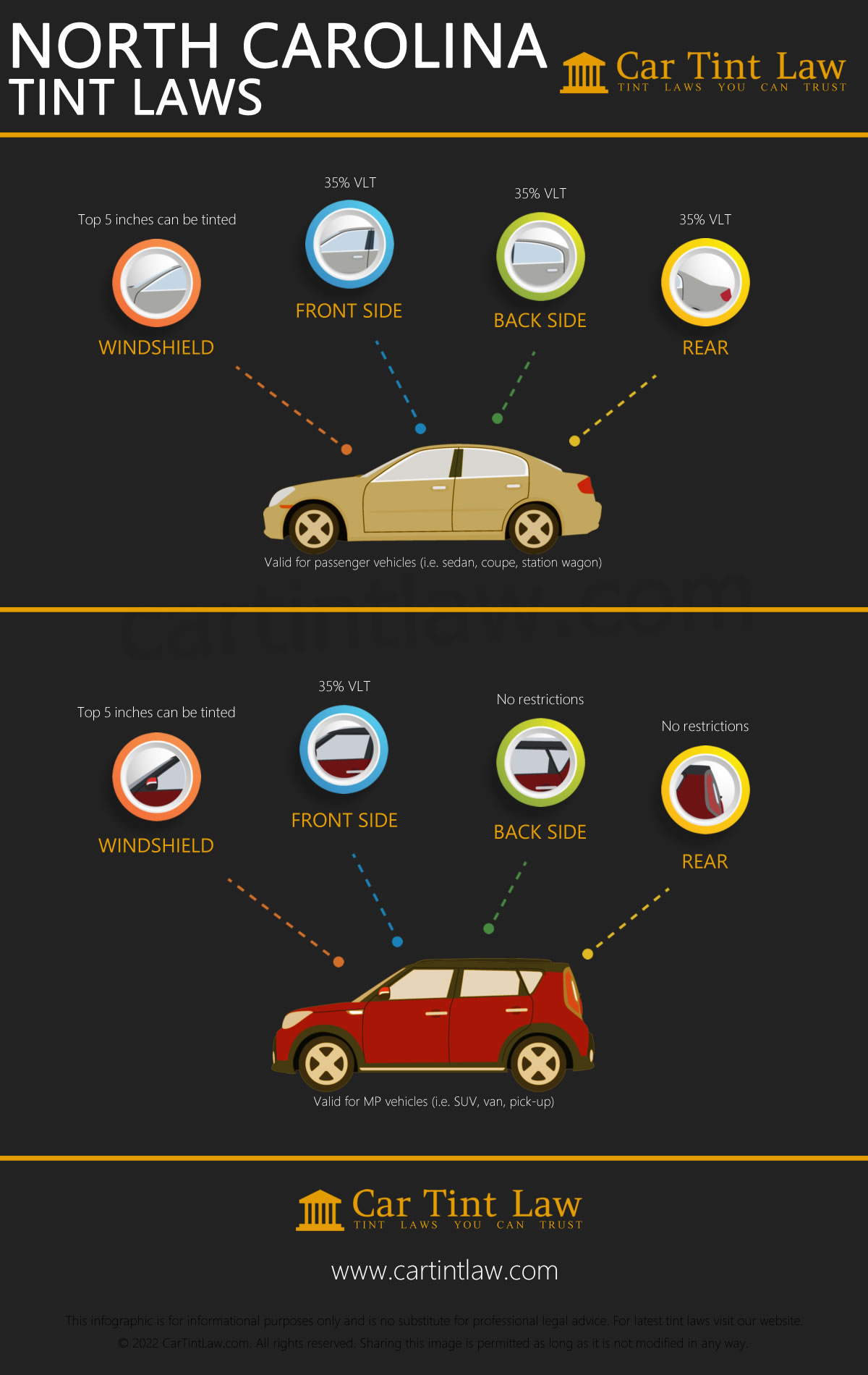
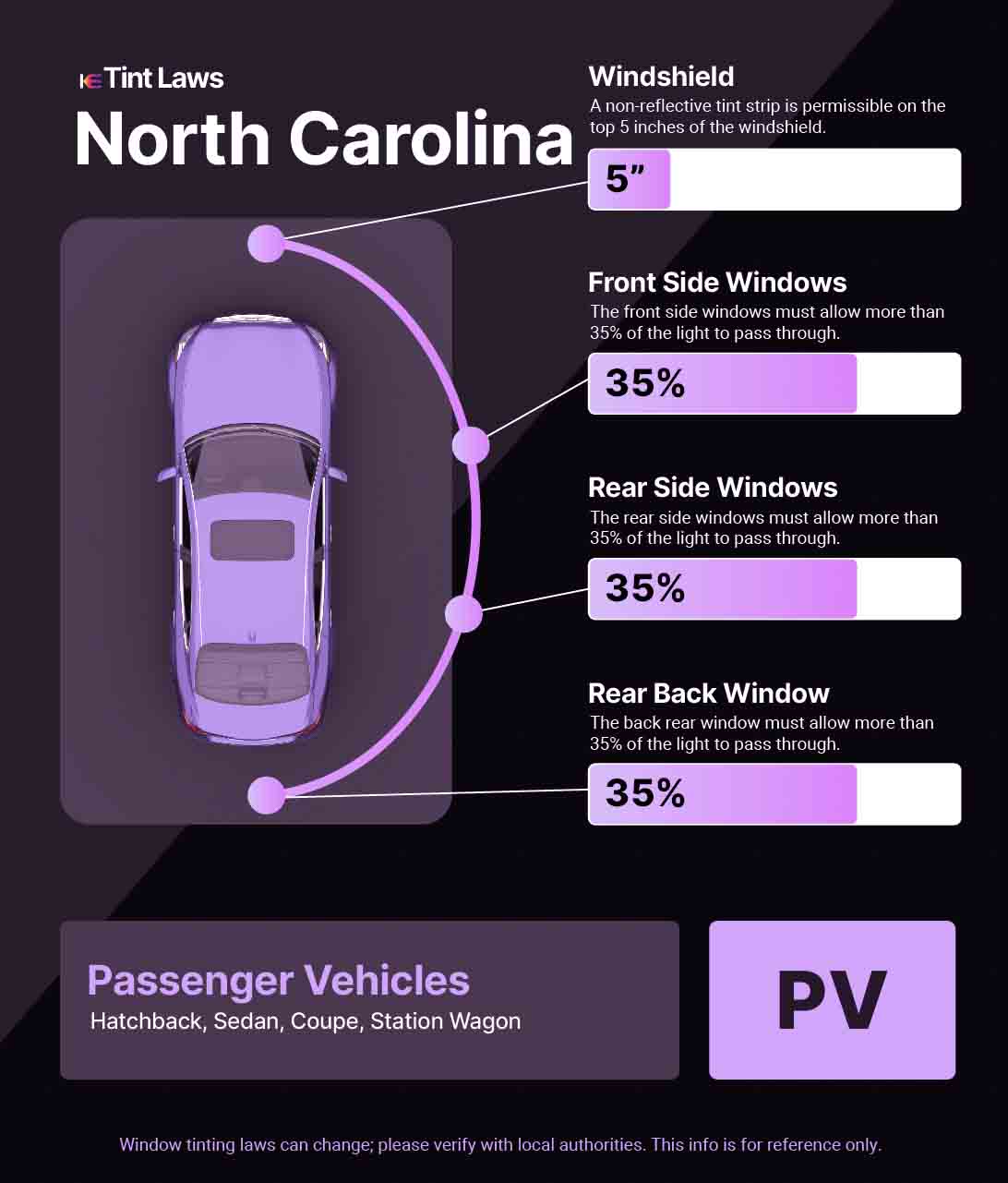
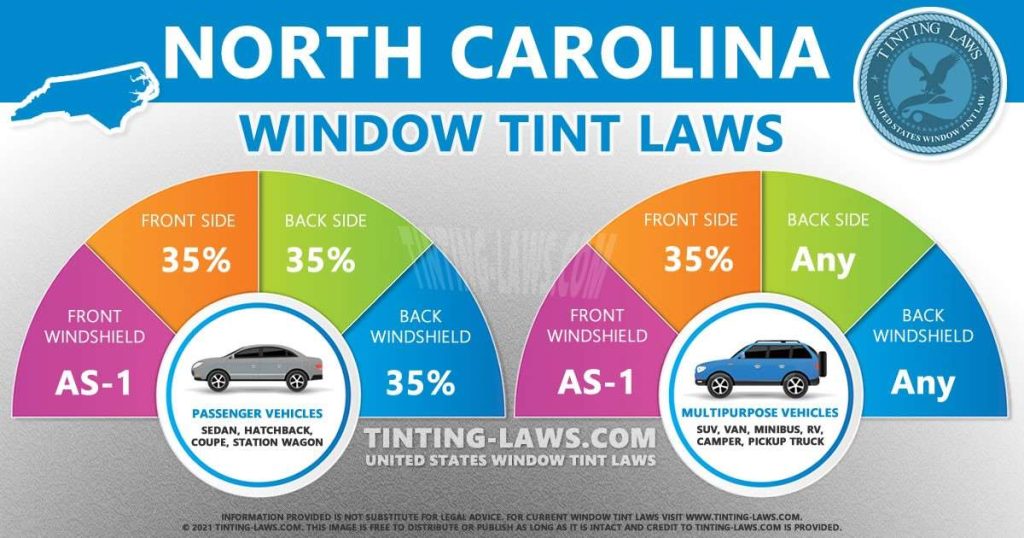
For passenger cars such as sedans and coupes, the rules differ by window. The rear side windows can have any darkness level, meaning there is no limit on how dark the tint can be. The rear window also allows any level of tint darkness. However, the front side windows must allow more light to pass through, usually requiring a higher visible light transmission (VLT) percentage.
Multi-purpose Vehicles Tint Levels
Multi-purpose vehicles include SUVs, vans, and trucks. For these vehicles, the rear side windows can be tinted with any level of darkness. The same applies to the rear window; there are no restrictions on how dark the tint can be. Front side windows on these vehicles usually have stricter rules and require a certain minimum VLT to ensure visibility.
Credit: kepler-dealer.com
General Tint Rules
North Carolina has clear rules about window tinting on vehicles. These rules help keep drivers safe and ensure visibility on the road. The law sets limits on how dark the tint can be and where it can be applied. It also explains which vehicles must follow these rules and which do not.
Safety Inspections
Vehicles with tinted windows must pass safety inspections. Inspectors check if the tint lets enough light through. The front side windows should allow more light than the rear ones. This helps officers and other drivers see inside the car when needed. If the tint is too dark, the vehicle may fail the inspection. Keeping tint within the legal limits helps avoid fines and problems.
Vehicle Exemptions
Some vehicles are exempt from the usual tint rules. For example, limousines and ambulances have different standards. Also, vehicles used for medical reasons may have special permits. These exemptions allow darker tint to help with privacy or health needs. Owners must carry proper documents to prove their exemption. Without these, the vehicle must follow the standard tint laws.
Recent Law Changes
North Carolina recently updated its window tint laws. These changes affect drivers and law enforcement. Understanding new rules helps avoid fines and confusion. The state made important shifts in tint inspections and traffic stops. These updates aim to improve safety and clarity on the road.
End Of Mandatory Tint Inspections
North Carolina no longer requires mandatory tint inspections during vehicle safety checks. This change means drivers do not need to pass a separate tint test. The state removed this step to simplify the inspection process. Despite this, drivers must still follow tint darkness limits set by law. Illegal tint can still lead to fines and citations.
Mandatory Roll-down Window Rule
Police officers can now ask drivers to roll down tinted windows during traffic stops. This rule helps officers see inside the vehicle clearly. Drivers must comply and lower the window when requested. Failure to do so may result in penalties or suspicion. This rule aims to keep both officers and drivers safe.
Existing Regulations
North Carolina has clear rules about window tinting on vehicles. These existing regulations set limits on how dark the tint can be. The rules vary depending on the type of vehicle and which windows are tinted. Understanding these regulations helps drivers stay legal on the road.
Medical Exemptions For Tint
North Carolina allows medical exemptions for window tint. People with certain health conditions can apply for special permits. These permits let them use darker tint than normally allowed. The exemption requires a doctor’s note and official approval. A sticker must be displayed on the vehicle to show the exemption.
Enforcement Overview
Law enforcement officers can stop drivers for illegal window tint. Officers look for tint that blocks too much light. Drivers must roll down their windows when asked during a traffic stop. This rule helps officers check the tint level. Illegal tint can lead to fines and orders to remove the tint. Even with recent law changes, tint violations remain a ticketable offense in North Carolina.
Traffic Stops And Tint
Traffic stops related to window tinting are common in North Carolina. Law enforcement officers watch for illegal tint that blocks clear view inside the vehicle. Understanding the rules about tint and traffic stops helps drivers avoid trouble on the road.
Reasonable Suspicion For Stops
Officers need reasonable suspicion to stop a vehicle for tint issues. Dark or reflective tint that blocks the officer’s view can trigger a stop. If the tint makes it hard to see inside, the officer may suspect a violation. This suspicion gives them legal grounds to pull the vehicle over.
Consequences Of Illegal Tint
Driving with illegal tint can lead to fines and citations. Law enforcement may issue a ticket for tint darker than allowed by North Carolina law. The officer can require the driver to fix the tint problem. Repeat offenses may result in higher fines or stricter penalties.
Tint Removal Requirements
After receiving a tint violation, drivers must remove or adjust the tint. The state requires compliance within a set time frame. Drivers need to show proof that the tint now meets legal standards. Failure to remove illegal tint can lead to further fines or legal action.
Credit: www.tinting-laws.com
Prohibited Tint Features
North Carolina has clear rules about window tinting to keep drivers safe. Certain tint features are not allowed on vehicles. These prohibited features protect visibility and ensure law enforcement can see inside the car when needed. Understanding these restrictions helps drivers avoid fines and legal trouble.
Banned Tint Colors
North Carolina law forbids certain tint colors on vehicle windows. Colors like red, amber, and blue are not allowed. These colors can distract other drivers and reduce visibility. The law requires tints to be neutral in color. This rule helps maintain clear vision for everyone on the road.
Reflectivity Restrictions
Reflective or mirror-like tints are also restricted in North Carolina. The law limits how shiny the tint can be. Excessive reflectivity can blind other drivers or law enforcement officers. This rule ensures that vehicle windows do not cause glare. Tints must allow a safe level of light through and avoid creating hazards.
Medical Exemption Details
North Carolina allows medical exemptions for window tint laws to help those with specific health needs. These exemptions permit darker tints than normally allowed. They provide relief for people with conditions like photosensitivity or other light-sensitive ailments. Understanding how to apply and use these exemptions is important for compliance and safety.
Eligibility And Application
To qualify for a medical exemption, a licensed doctor must confirm your condition. The medical issue must require protection from sunlight. You need to fill out an application form from the North Carolina Department of Motor Vehicles (NCDMV). Submit the form along with a doctor’s statement. Approval from NCDMV grants you the right to use darker window tint legally.
Sticker And Documentation Rules
After approval, you will receive a special sticker. This sticker must be placed on your vehicle’s windshield. It shows law enforcement that your tint is legal under medical exemption. Carry the medical documentation in your vehicle at all times. This helps avoid fines or confusion during traffic stops.
Penalties For Non-compliance
Using medical exemption tint without approval can lead to fines. Police may issue tickets if you fail to display the sticker. Driving without proper documentation can cause additional penalties. Removing illegal tint promptly is required to avoid further trouble. Following these rules keeps you safe and legal on the road.
Law Enforcement Role
Law enforcement plays a key role in upholding window tint laws in North Carolina. Officers ensure drivers comply with tint limits to maintain road safety. They monitor vehicles for illegal tint and take action when rules are broken.
Their role helps reduce risks caused by overly dark tints that block visibility. Enforcement keeps drivers alert and cautious about tint levels.
Pull-over Authority
Police have the right to stop a vehicle if they suspect illegal window tint. They do not need another reason to pull the car over. Dark tint that reduces visibility can raise suspicion during a traffic stop.
Officers check tint levels by using special tools or visual inspection. Drivers must roll down windows on request during the stop. This helps officers better assess the tint darkness.
Violation Penalties
Drivers caught with illegal window tint face penalties. These usually include fines, which vary based on the severity of the violation. Officers may require immediate removal of the tint to comply with the law.
Failure to fix illegal tint can lead to additional charges. The penalties aim to encourage drivers to follow state tint limits strictly.
Repeat Offense Consequences
Repeated violations lead to harsher consequences for drivers. Fines increase with each offense, and law enforcement may take stricter actions. Courts may impose longer deadlines for tint removal or other penalties.
Repeat offenders risk losing driving privileges or facing vehicle impoundment. The law discourages ignoring tint rules by escalating the consequences.
Frequently Asked Questions
What Is The Darkest Legal Tint In Nc?
In North Carolina, rear side and rear windows can have any tint darkness. Front side windows must allow at least 35% visible light transmission (VLT). Medical exemptions apply for darker tints with proper permits.
Are Window Tint Laws Changing In North Carolina?
North Carolina removed mandatory window tint inspections but requires drivers to lower tinted windows during traffic stops. Existing tint rules and medical exemptions still apply. Illegal tinting remains a ticketable offense, so follow legal limits to avoid penalties.
Can Cops Pull You Over For Just Tint In Nc?
Yes, North Carolina police can pull you over solely for illegal window tint. Officers must have reasonable suspicion of tint violations. Non-compliant tint can lead to fines and required removal. Always follow NC tint laws to avoid stops and penalties.
What Is The Darkest Legal Window Tint In North Carolina?
For passenger cars, rear side and rear windows can have any darkness. Front side windows must allow more than 35% visible light transmission (VLT). SUVs and vans have similar rules but rear windows can be any tint darkness.
Conclusion
North Carolina’s window tint laws protect safety and visibility on roads. Dark tint is allowed on rear windows but limited on front side windows. Medical exemptions exist for certain conditions with proper permits. Police can stop vehicles for illegal tint and require removal if needed.
Following these rules helps avoid fines and keeps you safe. Always check current laws before tinting your vehicle’s windows. Staying informed ensures a smooth, legal driving experience in North Carolina.