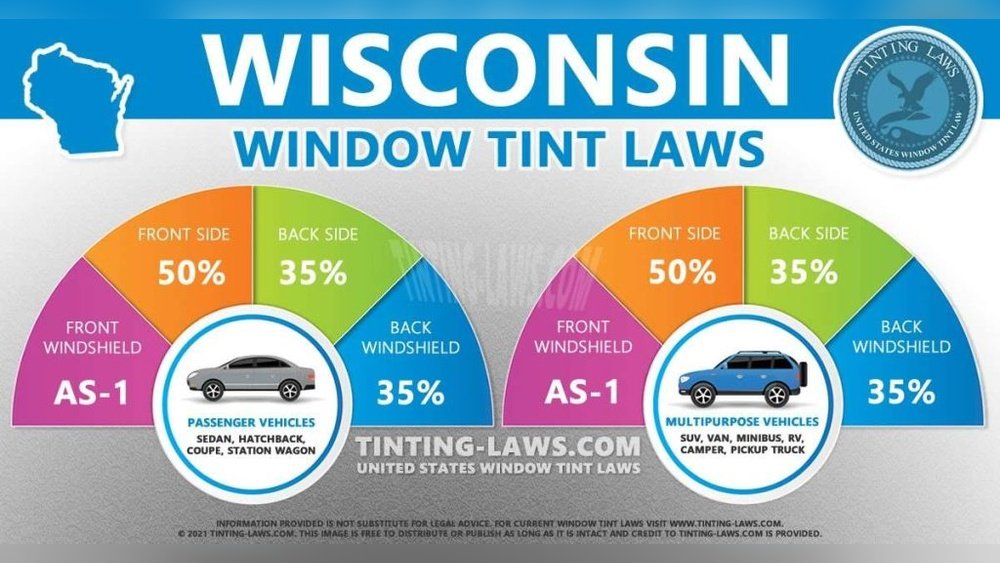
Are you thinking about tinting your car windows in Wisconsin? Before you head to the shop, it’s important to know the state’s window tint laws.
Your choice of tint could affect your safety, your comfort, and even whether you get pulled over by the police. Understanding these rules will help you avoid fines, keep your license clean, and enjoy the benefits of window tint without worry.
You’ll discover exactly how dark your tint can be, which windows have restrictions, and what exceptions might apply to you. Keep reading to make sure your vehicle stays legal and protected on Wisconsin roads.
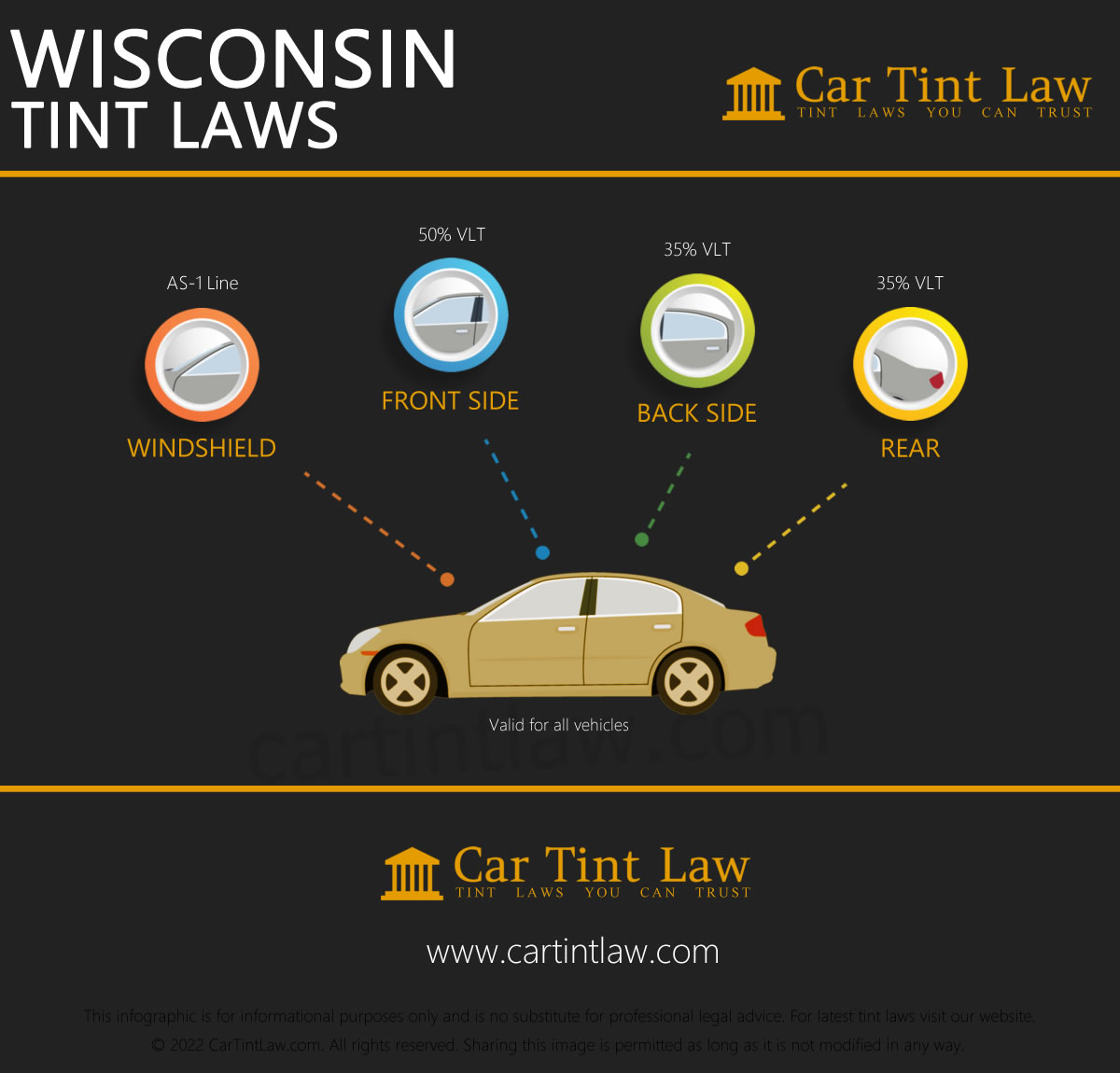
Credit: www.cartintlaw.com
Tint Limits For Front Side Windows
Wisconsin has clear rules about tinting front side windows. These rules protect drivers and law enforcement by ensuring visibility. Understanding these limits helps avoid fines or issues during traffic stops. The state measures tint darkness by how much light passes through the glass.
Visible Light Transmission Requirements
The front side windows must allow at least 70% of visible light through. This means tint cannot be too dark on these windows. The goal is to keep the driver’s view clear both day and night. Tint that blocks more than 30% of light is illegal on front side windows. This rule helps officers see inside the vehicle during traffic stops. It also improves safety by reducing blind spots.
Restrictions On Reflectivity
Wisconsin forbids window tint with a mirror-like shine on front side windows. Highly reflective tints can blind other drivers and cause distractions. The law requires tint to have low reflectivity to maintain road safety. Reflective tints on front side windows are not allowed even if they meet light transmission rules. Drivers must choose tint that reduces glare without creating a mirror effect.

Credit: kepler-dealer.com
Rules For Rear Side And Rear Windows
Wisconsin has clear rules for tinting rear side and rear windows. These rules protect drivers and law enforcement. They ensure windows are dark enough for privacy but not too dark to block visibility.
Understanding these rules helps you avoid fines and keep your car legal. Below are key points about allowed tint darkness and mirror requirements.
Allowed Tint Darkness Levels
The rear side and rear windows can have any darkness level in Wisconsin. There is no limit on Visible Light Transmission (VLT) for these windows. You can choose very dark tint for privacy or glare reduction.
Unlike front windows, rear windows do not require a minimum amount of light to pass through. This makes tinting easier and more flexible on rear windows.
Dual Side Mirror Requirement
If you tint the rear window, Wisconsin law requires dual side mirrors. This means your car must have mirrors on both the driver’s and passenger’s sides. These mirrors help improve visibility around the vehicle.
This rule applies because a dark rear window reduces rearview visibility. The extra mirrors ensure safe driving and help avoid accidents on the road.
Windshield Tint Regulations
Wisconsin has clear rules for windshield tinting to keep drivers safe. These rules control where tint can be applied and what types are allowed. Drivers must follow these rules to avoid fines and ensure good visibility on the road.
Permitted Tint Zones
In Wisconsin, tint is allowed only along the top few inches of the windshield. This area is called the “AS-1 line” or the upper 4 inches. Tint in this zone helps block sunlight without blocking the driver’s view. Tinting any other part of the windshield is not permitted.
Prohibited Tint Types
Reflective or mirror-like tints on the windshield are banned in Wisconsin. These tints cause glare and can distract other drivers. Dark tints that reduce visibility through the windshield are also illegal. Only non-reflective, light tints in the top zone are allowed.
Medical Exemptions For Tinting
Wisconsin allows medical exemptions for window tinting. These exemptions help people with specific health issues. They can use darker tints than normally allowed. This protects their skin or eyes from sunlight. The state requires proof to grant this exemption. Drivers must follow certain rules to qualify. Understanding these rules helps avoid fines and legal trouble.
Eligibility Criteria
To get a medical exemption, a person must have a health condition. The condition should require protection from sunlight. Common reasons include lupus, skin cancer, or light sensitivity. The tint must be necessary for medical treatment. The vehicle must be owned or regularly used by the patient. The tint cannot block the driver’s view or create safety risks. Only the windows affected by the condition may be tinted darker.
Required Documentation
Drivers need a signed statement from a licensed doctor. The statement must describe the medical condition clearly. It should explain why darker tint is needed. The doctor’s letter must include their contact information. The exemption form may need to be submitted to local authorities. Keep a copy of the documentation in the vehicle. Police may ask to see proof during traffic stops. Without proper documents, drivers risk citations and fines.
Penalties For Tint Violations
Violating window tint laws in Wisconsin can lead to serious penalties. Authorities enforce these laws strictly to ensure safety. Drivers who ignore tint rules face fines and other consequences. Understanding these penalties helps avoid unexpected costs and legal trouble.
Fines And Ticketing
Officers may stop drivers for illegal window tint. Tickets usually include a fine that varies by violation severity. Fines can range from modest amounts to higher fees. Paying the fine may not remove the tint violation. Drivers often must remove the illegal tint within a set time. Failure to comply can result in additional fines or tickets.
License Points And Suspension
Wisconsin adds points to a driver’s license for tint violations. Typically, two points are added for each offense. Accumulating points increases insurance rates and risk of suspension. Repeated violations can lead to license suspension. This impacts driving privileges and daily life. Staying within legal tint limits prevents these harsh penalties.
Tips For Choosing Legal Tint Films
Choosing the right window tint film in Wisconsin means following state rules closely. Legal tints keep drivers safe and avoid fines. Knowing what shades and types are allowed helps you pick the best option. This guide shares simple tips for choosing tint films that meet Wisconsin laws.
Recommended Tint Shades
Wisconsin law sets limits on how dark tint can be on different windows. For front side windows, the tint must allow more than 50% of light through. Rear side windows and the back window can have darker tints. The windshield can only have a non-reflective tint on the top few inches. Choose films that clearly state their visible light transmission (VLT) percentage. Films with around 50% VLT or higher work well for front windows. Darker films suit rear windows but always check the exact percentage.
Avoiding Reflective And Mirror-like Films
Wisconsin bans window films that look like mirrors or are highly reflective. These films can distract other drivers and cause safety issues. Avoid any tint that shines brightly in the sun or looks like a mirror surface. Stick to films with a matte or neutral finish. This keeps your vehicle legal and reduces unwanted attention from law enforcement. Non-reflective films also help prevent glare inside the car, improving visibility for the driver.
Enforcement And Police Practices
Enforcement of window tint laws in Wisconsin involves active police monitoring. Officers ensure drivers comply with tint limits to maintain road safety. Police use specific methods to check tint darkness during traffic stops. Understanding these enforcement practices can help drivers avoid penalties.
Common Reasons For Stops
Police often stop vehicles with very dark window tints. Dark tint reduces driver visibility, raising safety concerns. Officers may also stop a car if the tint looks uneven or damaged. Suspicious driving behavior combined with dark tint can trigger a stop. Routine traffic stops sometimes include tint checks as part of inspections.
What To Expect During Inspection
During a tint inspection, officers use a light meter to measure darkness. They test front side windows, which have strict limits. Rear windows usually have more lenient tint rules. Police may ask drivers to roll down windows for better inspection. If tint is too dark, officers may issue a citation or warning.
State Updates And Recent Changes
Wisconsin has updated several window tint laws recently. These changes affect how dark or reflective your car windows can be. Staying informed helps avoid fines and keeps you legal on the road.
New Laws And Amendments
The state now limits front side window tint to allow at least 70% light. Rear side windows and the rear windshield can have darker tints. Reflective or mirror-like tints are banned on all windows. Drivers must have dual side mirrors if rear windows are tinted. Medical exemptions exist but need doctor proof. These updates aim to improve road safety and visibility for all drivers.
Impact On Vehicle Owners
Vehicle owners must check their tint levels carefully. Non-compliance can lead to fines and two demerit points on your license. Police may stop you if tint is too dark or reflective. Tint shops in Wisconsin now follow stricter rules. Drivers with medical needs must carry proper documentation. Knowing these rules saves money and trouble during traffic stops.
Credit: www.youtube.com
Frequently Asked Questions
Is 20% Or 35% Tint Darker?
A 20% tint is darker than a 35% tint. Lower percentages mean less light passes through the window.
Can You Get Pulled Over For Tint In Wisconsin?
Yes, police in Wisconsin can pull you over for illegal window tint. Tint must meet state visibility and reflectivity standards to avoid fines.
Can You Still See Through 20% Tint?
Yes, 20% tint allows some visibility but reduces light significantly, making it harder to see through, especially at night.
Is 35% Tint Too Dark At Night?
A 35% tint is generally not too dark at night. It allows sufficient visibility while reducing glare. Always check local laws for legal limits.
Conclusion
Understanding Wisconsin’s window tint laws helps keep you safe and legal. Always check the allowed tint percentages before tinting your windows. Remember, front side windows have stricter limits than rear windows. Avoid highly reflective or mirror-like tints to comply with rules.
Medical exemptions exist but require proper doctor paperwork. Dual side mirrors must be used if the rear window is tinted. Breaking these laws can lead to fines and points on your license. Follow the rules to enjoy the benefits of window tinting without trouble.
Stay informed and drive responsibly on Wisconsin roads.